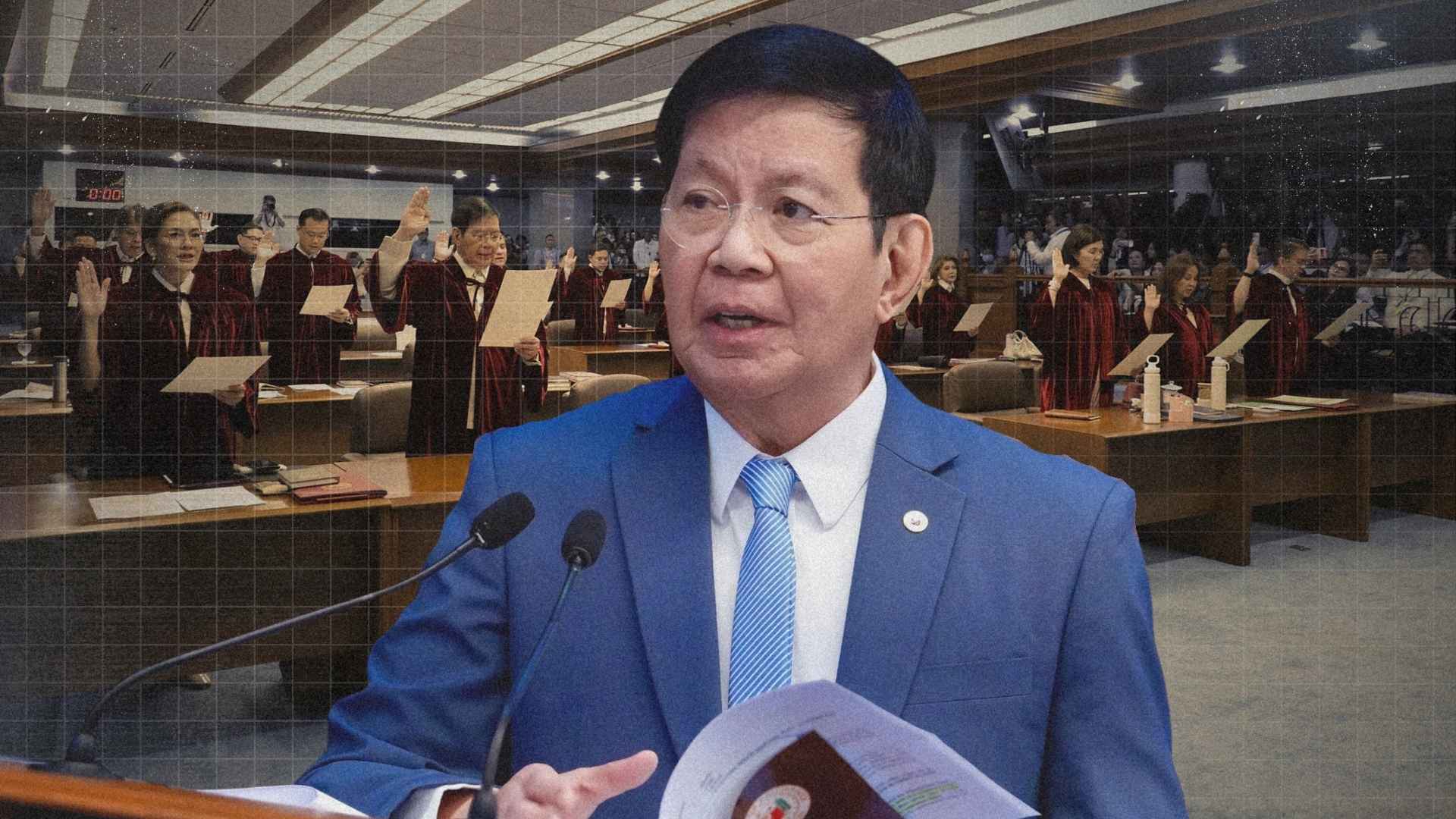
“KAYO ANG BABANTAYAN NAMIN!” — Ping Lacson, May Matinding Paalala!
“Kayo ang Babantayan Namin” — Ping Lacson, Nanawagan ng Public Vigilance Habang Umiinit ang Impeachment Court
Sa gitna ng tumitinding political tension sa bansa, muling naging usap-usapan online ang pahayag ni dating senador Ping Lacson matapos nitong manawagan sa publiko na manatiling mapagmatyag kasabay ng pormal na pag-convene ng Senado bilang impeachment court para sa kaso ni Sara Duterte.
Sa kanyang naging mensahe, inilarawan ni Lacson ang nangyaring proseso sa Senado bilang isang “breath of fresh air,” lalo na matapos ang tensyon at takot na dulot umano ng insidente ng pamamaril sa gusali ng Senado noong Mayo 13.
Aniya:
“The stark contrast between the smell of gunpowder last week and the breath of fresh air in the Senate yesterday was evident when we convened as an impeachment court after all the parliamentary procedures were strictly followed. May the public vigilance remain unabated.”
Isang Linya, Pero Mabigat ang Mensahe
Para sa marami, hindi simpleng observation lamang ang sinabi ni Lacson.
Ito ay tila paalala na habang umiinit ang impeachment proceedings at political maneuvering sa Senado, mas kailangang maging alerto ang publiko sa bawat galaw ng mga nasa kapangyarihan.
At sa social media, mabilis itong naging simbolo ng mas malaking usapin tungkol sa transparency, accountability, at political trust.
Bakit Mainit ang Reaksyon ng Publiko?
Sa mga nakaraang linggo, sunod-sunod ang mga kontrobersya, tensyon, at bangayan sa national politics.
Mula sa impeachment discussions hanggang Senate leadership reshuffles, maraming Pilipino ang nagsisimulang magtanong:
“Ano na ba talaga ang nangyayari sa likod ng Senado?”
Kaya nang sabihin ni Lacson na “kayo ang babantayan namin,” marami ang nakakita rito bilang panawagan sa taumbayan na huwag basta maging tahimik observers lamang.
Dahil sa panahon ngayon, mabilis magbago ang political landscape — at bawat desisyon sa Senado ay may direktang epekto sa direksyon ng bansa.
Here’s What This Really Means…
Ang tunay na laban ngayon ay hindi lang legal o parliamentary issue.
Ito ay battle for public confidence.
Kapag impeachment na ang usapan, hindi lang mga senador ang nakatingin sa isa’t isa — buong bansa ang nakamasid.
At habang mas maraming Pilipino ang sumusubaybay, mas tumitindi rin ang pressure sa mga public officials na ipakitang patas, legal, at transparent ang bawat hakbang.
Ito rin ang dahilan kung bakit mahalaga ang “public vigilance” na binanggit ni Lacson.
Dahil sa modern politics, hindi na sapat ang closed-door decisions.
Ang publiko ngayon ay mas vocal, mas mapanuri, at mas mabilis mag-react online.
Ang Mas Delikadong Scenario
Kapag nawalan ng tiwala ang taumbayan sa proseso, doon nagsisimulang lumalim ang political divide.
Dahil para sa ordinaryong Pilipino, simple lang ang tanong:
“May hustisya pa bang umiiral… o puro pulitika na lang?”
At kapag mas lumakas ang perception na may hidden agenda o power play sa likod ng impeachment proceedings, mas lalo lamang magiging emosyonal at polarized ang national conversation.
Bakit Mahalaga Ito sa Hinaharap?
Ang impeachment court na ito ay hindi lang simpleng legal proceeding.
Ito ay magiging bahagi ng political history ng Pilipinas.
At kung paano ito hahawakan ng Senado ay maaaring makaapekto hindi lamang sa kasalukuyang administrasyon kundi maging sa trust ng publiko sa mga institusyon ng gobyerno sa mga susunod na taon.
Kaya habang nagpapatuloy ang mga pagdinig, malinaw ang isang bagay:
Hindi lang Senado ang nagbabantay sa proseso.
Buong sambayanan din.
Exegesis Bible Verse
Luke 8:17
“For nothing is secret, that shall not be made manifest; neither any thing hid, that shall not be known and come abroad.”
Reflection
Ang talatang ito ay paalala na darating ang panahon na ang katotohanan ay lalabas at malalaman ng lahat. Sa panahon ng kaguluhan at political tension, mahalagang manatiling mapanuri, mapagmatyag, at handang hanapin ang katotohanan nang may karunungan at pananagutan.
Target the Hoard, Not the People: Robin Padilla’s ₱1,000 Bill Proposal as an Anti-Corruption Tool
December 27, 2025•3 min read
Senator Robin Padilla has filed a resolution urging the Bangko Sentral ng Pilipinas (BSP) to review and consider the invalidation or phased withdrawal of ₱1,000 banknotes issued from 2020 to 2025.
Contrary to alarmist claims, the proposal is not a demonetization shock, but a targeted anti-corruption strategy aimed at exposing illicit cash hoards, disrupting dirty money flows, and strengthening accountability.

💸 Why the ₱1,000 Bill Matters
The ₱1,000 bill is the most common denomination used in:
Kickbacks
SOPs
Election money
Large-scale cash hoarding
Padilla’s logic is simple:
👉 When illegal money is forced to move, it becomes visible.
Hoarded cash cannot wait forever. Once faced with invalidation or phase-out, holders must either:
Deposit it
Exchange it
Or risk losing its value
Each option leaves a trail.
🧾 Automatic Accountability — No Raids Needed
One key advantage of the proposal is self-incrimination by necessity.
Large volumes of ₱1,000 bills immediately raise questions:
“Saan galing ang pera?”
“Bakit naka-hoard?”
No whistleblower needed.
No mass raids required.
The system itself asks the questions.
⚠️ Why This Pressures Corruption Networks
Cash-based corruption depends on:
Silence
Storage
Time
A denomination review removes time from the equation.
Illicit money becomes risky to:
Store
Move
Launder
This creates internal panic and fractures trust inside corrupt networks.
🌍 This Isn’t New — It’s Proven
Other countries have used similar tools:
India (2016): invalidated high-denomination notes to flush black money
EU (2016–2019): phased out €500 notes due to laundering risks
Canada (2000): withdrew high-value bills linked to organized crime
UK (2010): restricted high-denomination notes tied to criminal misuse
Padilla’s proposal places the Philippines within a global reform playbook.
Hindi lahat ng may hawak ng ₱1,000 ay kriminal.
Pero lahat ng kriminal umaasa sa ₱1,000.
Kapag gumalaw ang pera,
lumalabas ang katotohanan.
📖 Biblical Reflection
“For nothing is hidden that will not be disclosed, nor is anything secret that will not become known.”
— Luke 8:17
Corruption survives in darkness.
Transparency forces it into the light.
🧠 Why This Matters
This proposal is:
Pro-active, not reactive
Systemic, not personality-based
Preventive, not just punitive
Padilla’s call reframes reform:
👉 Don’t wait for confessions. Change the system so truth surfaces on its own.
If executed carefully, it could hurt corruption without hurting ordinary Filipinos.

Wala Kayong Takot sa Diyos’: Robin Padilla Calls Out Silence on Ghost Projects and Flood Control Abuse
Senator Robin Padilla delivered one of the most emotionally charged statements yet amid mounting scrutiny over ghost projects, substandard flood control works, and unfinished infrastructure despite massive funding.

“Wala kayong takot sa Diyos!” Padilla declared — not as political theater, but as a moral indictment.
For the senator, the issue has moved beyond numbers and budgets. It has entered the realm of conscience and accountability.
🌊 From Budget Issue to Moral Crisis
Padilla lamented what he described as the slow and deliberate shifting of the narrative — from responsibility for failed flood control projects to endless technical debates that blur accountability.
“Palayo na ng palayo ang usapan sa mga multo at gibang-gibang flood control.”
Despite billions allocated, communities continue to suffer from flooding, collapsed structures, and projects that exist only on paper.
⚖️ “Hindi na Ito Pulitika”
Padilla stressed that this is no longer about:
Party lines
Political loyalty
Or financial interest
This is about right and wrong.
Ghost projects don’t just waste money — they endanger lives. Substandard flood control isn’t incompetence; it’s a betrayal of public trust.
Kapag baha ang resulta,
pero pondo ang nawala —
may kasalanan ang konsensya.
Hindi lahat ng krimen
may baril.
Ang iba,
may pirma.
📖 Biblical Reflection
“The wicked flee though no one pursues, but the righteous are as bold as a lion.”
— Proverbs 28:1
Truth doesn’t whisper.
It confronts.
🧠 Why This Matters
Padilla’s statement resonates because it voices what many Filipinos quietly feel:
👉 If leaders fear neither the law nor God, who protects the people?
This moment reframes the flood control scandal not just as a governance failure — but as a moral reckoning.
Budgets can be defended.
Numbers can be explained.
But conscience cannot be negotiated.