“Nakakahiya na Po sa Totoo Lang”
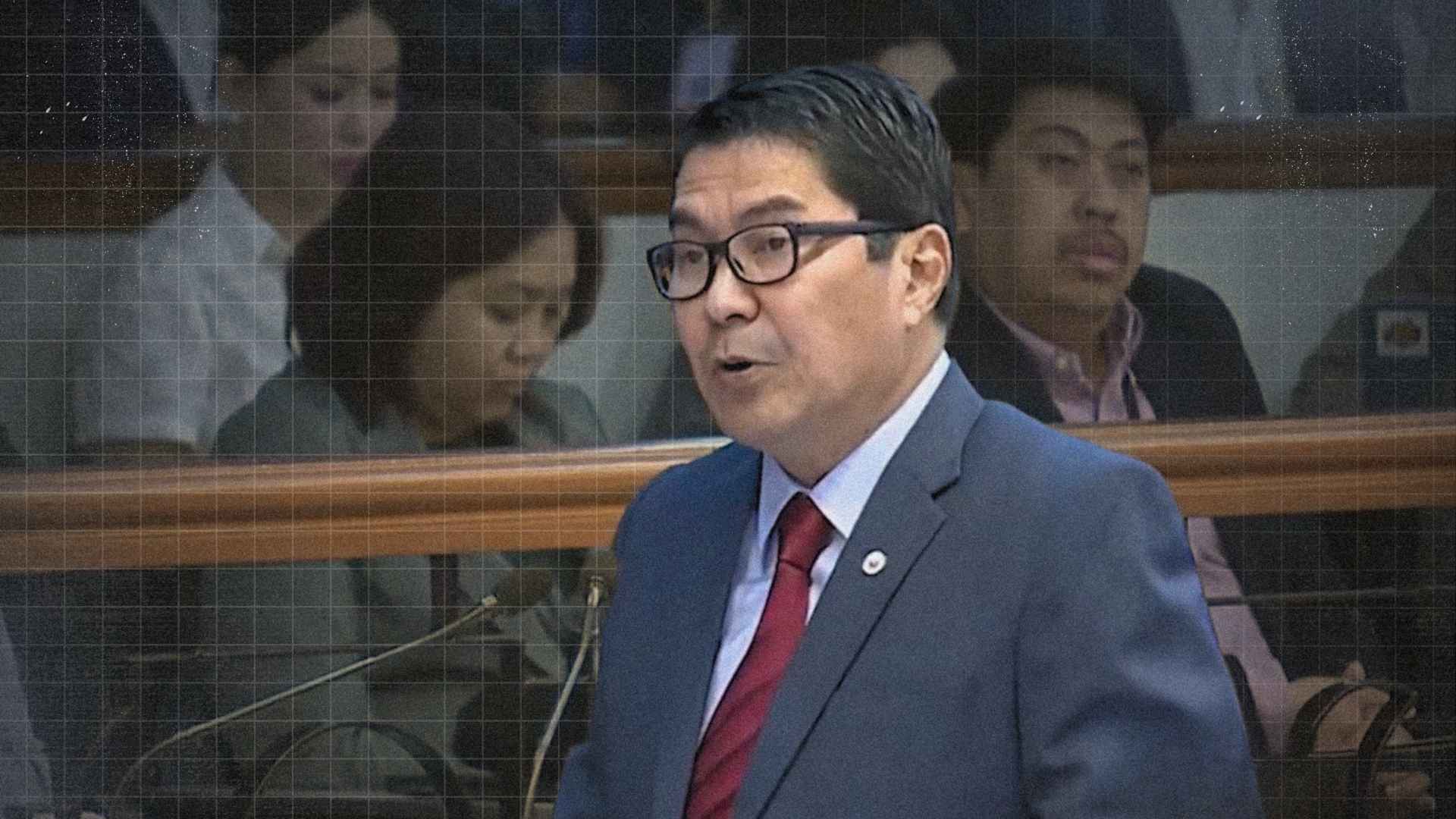
“Nakakahiya na Po sa Totoo Lang” — Erwin Tulfo Questions Senate Chaos and Gunfire Scare
Muling umingay ang tensyon sa Senado matapos ang emosyonal at diretsahang privilege speech ni Erwin Tulfo kaugnay ng kaguluhan at napaulat na putukan sa loob ng Senado.
Sa kanyang talumpati, hindi itinago ni Tulfo ang pagkadismaya sa nangyari:
“Nakakahiya po sa totoo lang, ginoong Pangulo…”
Kasunod nito, sunod-sunod niyang kinuwestyon ang:
legal basis ng operasyon,
koordinasyon sa Senado,
pinagmulan ng putukan,
seguridad ng mga empleyado,
at mga ebidensyang magbibigay-linaw sa tunay na pangyayari.
Binanggit din ni Tulfo na “speculative and irresponsible” umano ang pag-uugnay sa minority senators sa nangyari dahil lamang sa nakaalis na sila bago ang insidente.
At dito lalong sumabog ang debate online.
Ang Senado Bilang Simbolo ng Stability
Para sa maraming Pilipino, ang Senado ay hindi lang gusali.
Isa itong simbolo ng:
demokrasya,
deliberasyon,
at institutional order.
Kaya nang magkaroon ng ulat tungkol sa putukan, kaguluhan, at conflicting narratives sa loob mismo ng Senado, natural lang na mabahala ang publiko.
At iyon mismo ang punto ni Tulfo.
Ayon sa kanya, hindi lang mga senador ang naapektuhan—
kundi maging rank-and-file employees, maintenance staff, security personnel, media workers, at iba pang empleyado na naipit umano sa takot at kalituhan.
Bakit Tumama ang Linyang “Nakakahiya”
Sa kultura ng Pilipino, mabigat ang salitang “nakakahiya.”
Hindi ito simpleng criticism lang.
Ito ay pahayag ng pagkabahala sa imahe, dignidad, at respeto sa institusyon.
At nang sabihin ni Tulfo na “the whole world watched this unfold in disbelief,” malinaw niyang ipinunto ang damage hindi lang sa Senado—
kundi sa public confidence mismo.
Para sa ilang netizens, mahalagang may mga opisyal na humihingi ng malinaw na sagot.
Pero para naman sa iba, lalo lamang daw nitong pinapalala ang perception na may malalim na political instability sa gobyerno.
Here’s What This Really Means…
Ang privilege speech ni Tulfo ay hindi lang tungkol sa isang insidente.
Isa itong mas malaking warning tungkol sa:
coordination failures,
institutional confusion,
at public trust.
Kapag nagkakaroon ng magkasalungat na narratives sa loob ng isa sa pinakamataas na institusyon ng gobyerno, natural lang na magtanong ang publiko:
Sino ba talaga ang may kontrol?
Ano ba talaga ang nangyari?
At ligtas pa ba ang democratic processes?
Ito ang dahilan kung bakit mahalaga ang transparency at malinaw na accountability sa mga ganitong sitwasyon.
Why This Matters
Habang patuloy ang political noise at Senate tensions, ordinaryong Pilipino naman ang naghahanap ng:
stability,
maayos na governance,
at institutions na nagbibigay ng confidence—not confusion.
Dahil sa panahon ngayon, mabilis mawala ang tiwala ng publiko kapag nakikita nilang tila magulo mismo ang mga institusyong inaasahan nilang magbigay ng kaayusan.
At para sa marami, hindi lang simpleng political drama ang issue ngayon.
Usapin ito ng dignity ng institutions at tiwala ng bayan.
Exegesis Bible Verse
“For God is not the author of confusion, but of peace…” — 1 Corinthians 14:33 (KJV)
Reflection
Kapag may kaguluhan, takot, at magkakasalungat na impormasyon, mabilis maapektuhan ang tiwala ng tao.
Ipinapaalala ng Biblia na ang kaayusan, clarity, at kapayapaan ay mahalaga sa anumang institusyon at pamumuno.
Sa panahon ng political tension, mas kailangan ang wisdom, restraint, at transparency upang mapanatili ang confidence ng publiko.
Retractions Won’t Stop the Cases, Says Ping Lacson
January 12, 2026•1 min read
In a Senate climate where testimonies shift and statements get walked back, one message from the chamber cuts through the noise: retractions do not erase accountability. Senator Ping Lacson made this clear as the Senate prepares to resume hearings tied to alleged flood control irregularities—cases that, according to him, will proceed regardless of whether earlier witnesses soften or retract their claims.

Lacson emphasized a principle often lost in headline churn: investigations do not hinge on a single testimony. Senate inquiries weigh documents, transaction trails, budget line items, and corroborating evidence gathered over time. Even if a witness recants, the paper trail remains—and so does the obligation to examine it.
The hearings, expected to reconvene soon, center on long-running concerns about flood control projects—an area historically vulnerable to inflated costs, ghost projects, and questionable subcontracting. Lacson’s position signals continuity rather than pause: cooperation with investigators, restitution where appropriate, and accountability through the proper legal process.
Importantly, the senator underscored that Senate probes are not courts of law, but they play a crucial role in uncovering facts and recommending reforms. The aim, he said, is not spectacle, but clarity—ensuring public funds are protected and systems are tightened to prevent repeat abuses.
As attention returns to the chamber, the broader takeaway is sobering but steady. Retractions may change the tone of testimony, but they do not close the books. In the Senate’s view, facts are cumulative—and truth is built from records, not reversals.
Quiet takeaway: When public money is involved, accountability doesn’t reset with a retraction. It proceeds—methodically.