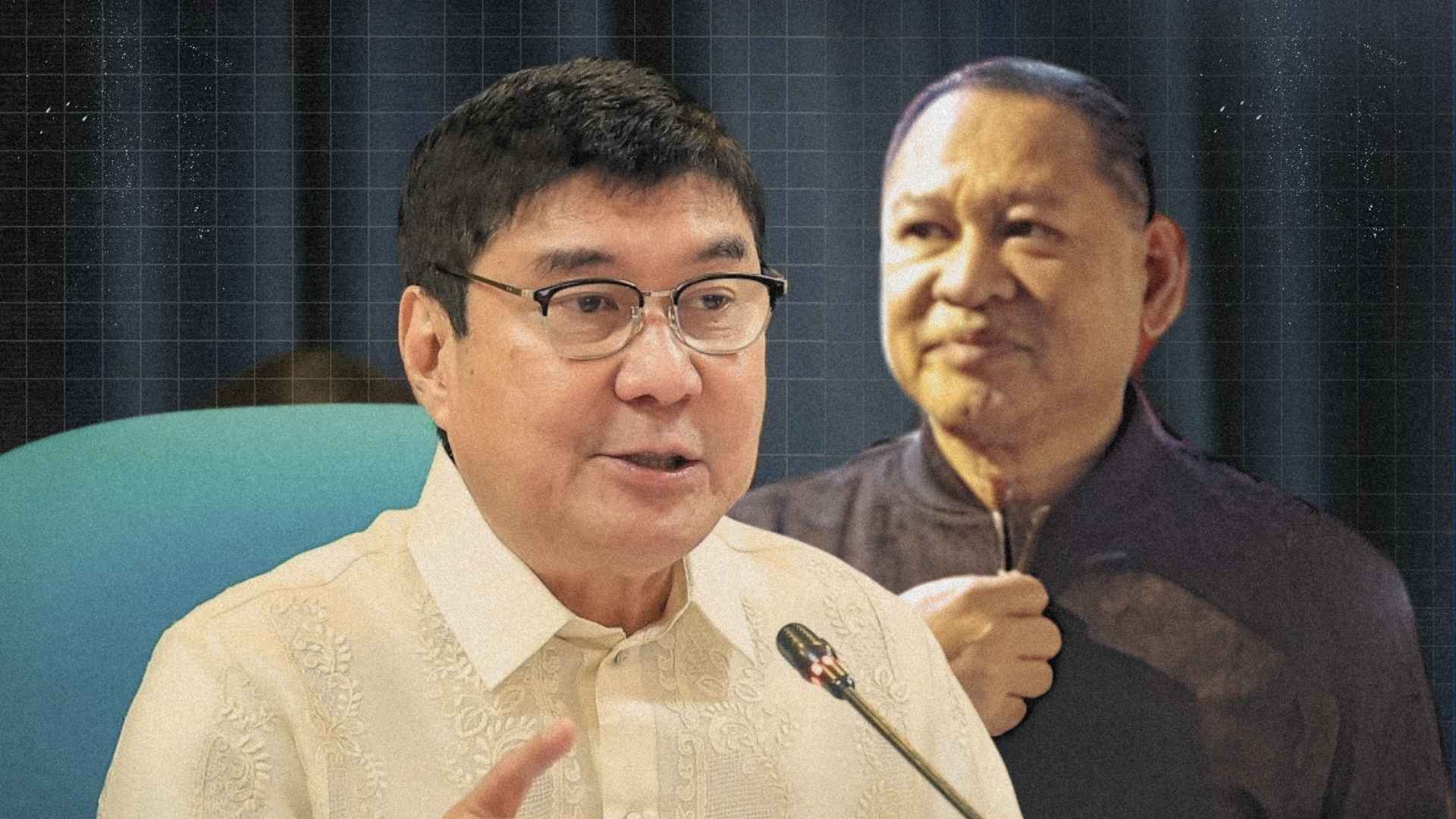
“Raffy Tulfo Rejects Warning Shot Tactics in Senate Incident”
“Tulfo Opposes Warning Shots” — Senator Calls Senate Incident Tactics Dangerous
Fresh political debate erupted online after Raffy Tulfo openly opposed the use of warning shots during the controversial Senate incident involving tensions between security forces and law enforcement personnel.
In a media interview, Tulfo made it clear that he does not support warning shots even when carried out by police officers because of the danger they may pose to civilians.
According to Tulfo, warning shots are not part of the standard operating procedure under the Philippine National Police’s Special Apprehension Procedure.
That statement immediately intensified online discussions because previous statements from other political figures had defended the warning shots as actions that allegedly prevented greater violence inside the Senate.
Tulfo, however, presented a very different perspective.
He warned about the possibility of bullets ricocheting and accidentally hitting innocent civilians during chaotic situations.
“Ako ever since, sinasabi ko bawal ang sinumang pulis na mag-warning shot…” Tulfo explained during the interview.
His strongest statement came afterward:
“So dapat walang warning shot.”
That line quickly spread online and reignited debate regarding how the Senate incident should be viewed.
Supporters of Tulfo interpreted his comments as prioritizing civilian safety and proper police procedure over emotional reactions during tense operations.
Critics, meanwhile, argued that security personnel were operating under extreme pressure during a potentially dangerous and rapidly escalating situation.
And once again, the Senate controversy expanded far beyond the original incident itself.
Here’s what this really means…
The national conversation is no longer only about who fired warning shots.
It is now about how institutions should respond during high-pressure security situations.
Tulfo’s comments shifted the focus toward operational standards and accountability.
Instead of debating political loyalty, he centered the discussion on risk management, police procedure, and civilian safety.
That distinction matters.
Because in emotionally charged environments, actions taken in seconds can carry massive consequences afterward.
Tulfo also highlighted something many ordinary Filipinos may not immediately think about:
Bullets do not disappear after being fired.
Even warning shots can become deadly if ricochets or stray trajectories hit unintended targets.
That practical concern resonated strongly online.
Especially among viewers already alarmed by the idea of firearms being discharged inside or near a major government institution.
This raises a bigger issue…
Are Philippine institutions fully prepared to manage politically sensitive operations without escalation?
Because increasingly, controversies involving law enforcement and political institutions now unfold under enormous public pressure.
One mistake.
One unclear order.
One emotional reaction.
And the entire country immediately begins debating accountability online.
That environment creates tremendous pressure not only on politicians, but also on security personnel and operational commanders.
Tulfo’s remarks also revealed another important divide emerging from the Senate incident:
Some leaders prioritize deterrence and immediate control during crises.
Others prioritize strict adherence to operational procedure regardless of tension.
Both approaches are rooted in concerns about safety.
But they lead to very different conclusions regarding what should have happened that night.
The controversy also highlights how deeply public trust now depends on competence and coordination.
Filipinos are no longer satisfied with vague explanations after incidents occur.
People want to know:
Was protocol followed?
Was force necessary?
Could the situation have been handled differently?
And who should ultimately be accountable?
Those questions continue driving intense public discussion.
Why this matters…
Security incidents inside government institutions affect more than politics.
They shape public confidence in law enforcement, institutional discipline, and national stability.
When firearms become part of political controversies, emotions naturally intensify.
That is why Tulfo’s opposition to warning shots resonated strongly online.
Because beyond political sides, many Filipinos share one common concern:
That moments of confusion and tension should never place innocent lives at unnecessary risk.
And in today’s highly polarized environment, that concern may be one of the few things many citizens still agree on.
Exegesis Bible Verse
Proverbs 22:3
“A prudent man foreseeth the evil, and hideth himself: but the simple pass on, and are punished.”
Reflection
Wisdom requires thinking about consequences before acting during moments of tension and danger. Scripture reminds leaders and authorities that prudence and restraint can prevent unnecessary harm and protect innocent lives.
Kung May Badyet sa Plano, May Sahod Ba sa Pagod? Ang Panukalang Dagdag-Sahod para sa Nurses

January 04, 2026•1 min read
Sa gitna ng patuloy na krisis sa health care system ng bansa, muling umakyat sa mesa ng Senado ang isang matagal nang hinaing: ang sahod ng mga nurse. Sa panukalang batas na inihain ni Erwin Tulfo, layong itaas ang minimum salary grade ng mga nurse sa mga pampublikong ospital—isang hakbang na sinasabing sagot sa kakulangan ng health workers at pag-alis nila patungong ibang bansa.
Sa papel, malinaw ang problema: mabigat ang trabaho, kulang ang tao, at hindi tugma ang sahod sa sakripisyo. May mga ospital na umaabot sa nurse-to-patient ratio na halos imposible para sa ligtas at makataong pag-aalaga. Sa ganitong kalagayan, hindi na kataka-takang maraming nurse ang nangingibang-bansa, dala ang kanilang galing—at iniwang butas sa lokal na sistema.
Ang panukala ay naglalayong itaas ang salary grade mula SG 15 patungong SG 19 at iayon ito sa Salary Standardization Law. Ayon sa paliwanag, ito raw ay para i-retain ang skilled nurses, patatagin ang public health system, at tiyaking may maayos na serbisyong matatanggap ang pasyente.
Ngunit sa mata ng publiko, may kasamang tanong ang bawat pangako:
May pondo ba, o pangako lang muna?
May agarang epekto ba, o dadaan muna sa mahabang pila ng komite?
Hindi lingid sa kaalaman ng bayan na maraming panukalang “maganda sa headline” ang nauuwi sa mabagal na implementasyon. Kaya habang may ngiti sa mga larawan at kumpiyansang paliwanag sa sesyon, ang mga nurse ay patuloy na nagbabantay—hindi lang ng pasyente, kundi ng kongkretong resulta.
📖 “The worker deserves his wages.” — Luke 10:7
Sa huli, ang tanong ay hindi kung karapat-dapat ang dagdag-sahod—dahil malinaw na oo. Ang tanong ay kung kailan ito magiging realidad, at kung hanggang saan ang handang isakripisyo ng pamahalaan para sa mga taong literal na nagbabantay ng buhay ng bayan.