



5 Common Plumbing Issues & How to Prevent Them
Home Maintenance, Plumbing Tips
5 Common Plumbing Issues & How to Prevent Them
A few simple habits and checks can stop most plumbing problems before they turn into expensive emergencies. Here are five common issues homeowners face—and straightforward ways to prevent them.
1. Dripping Faucets & Running Toilets
Worn washers, faulty flappers, or loose parts often cause constant drips and running toilets, wasting water and money. Prevention starts with listening for changes—new hissing, dripping, or cycling noises are early warning signs. Check under sinks and around toilets monthly for moisture, and replace inexpensive parts like faucet cartridges and toilet flappers at the first sign of wear instead of waiting for a full failure.
2. Clogged Drains & Slow Sinks
Kitchen and bathroom drains commonly clog with grease, food scraps, hair, and soap scum. To prevent this, use drain strainers in sinks and showers, and empty them regularly. Never pour cooking oil or grease down the drain; let it cool and dispose of it in the trash. Once a week, run hot water through frequently used drains to help clear light buildup, and avoid overusing harsh chemical cleaners that can damage pipes.
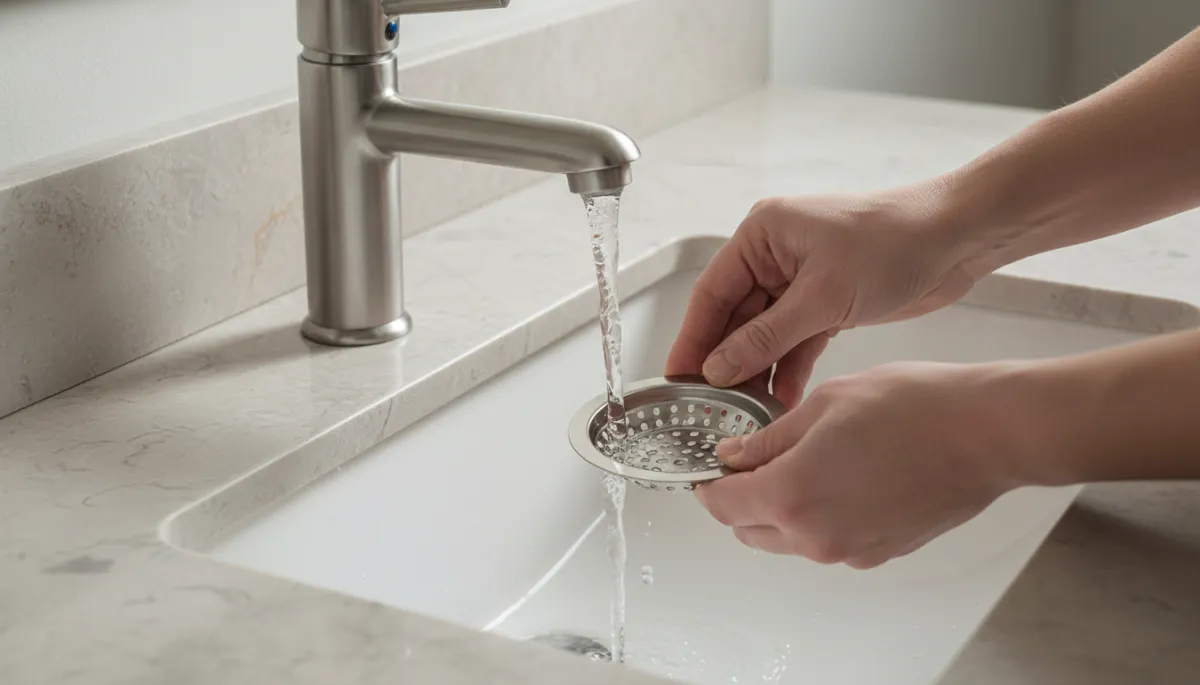
Simple tools like strainers dramatically cut down on clogs and backups.
3. Low Water Pressure & Noisy Pipes
Mineral buildup inside aerators and showerheads is a leading cause of low water pressure, while loose or poorly secured pipes can bang and rattle. Unscrew and soak aerators and showerheads in vinegar a few times a year to dissolve deposits. If you notice banging pipes when you turn taps on or off, have mounting brackets tightened and water pressure checked before joints weaken and leak.
4. Water Heater Problems & Leaks
Sediment collecting at the bottom of your water heater can reduce efficiency, cause rumbling noises, and shorten its lifespan. Once or twice a year, flush a few gallons from the tank to clear debris, and visually inspect around the base for rust, damp spots, or corrosion on connections. Keep the temperature around 120°F to reduce strain on the system and lower the risk of scalding.
5. Frozen or Burst Pipes
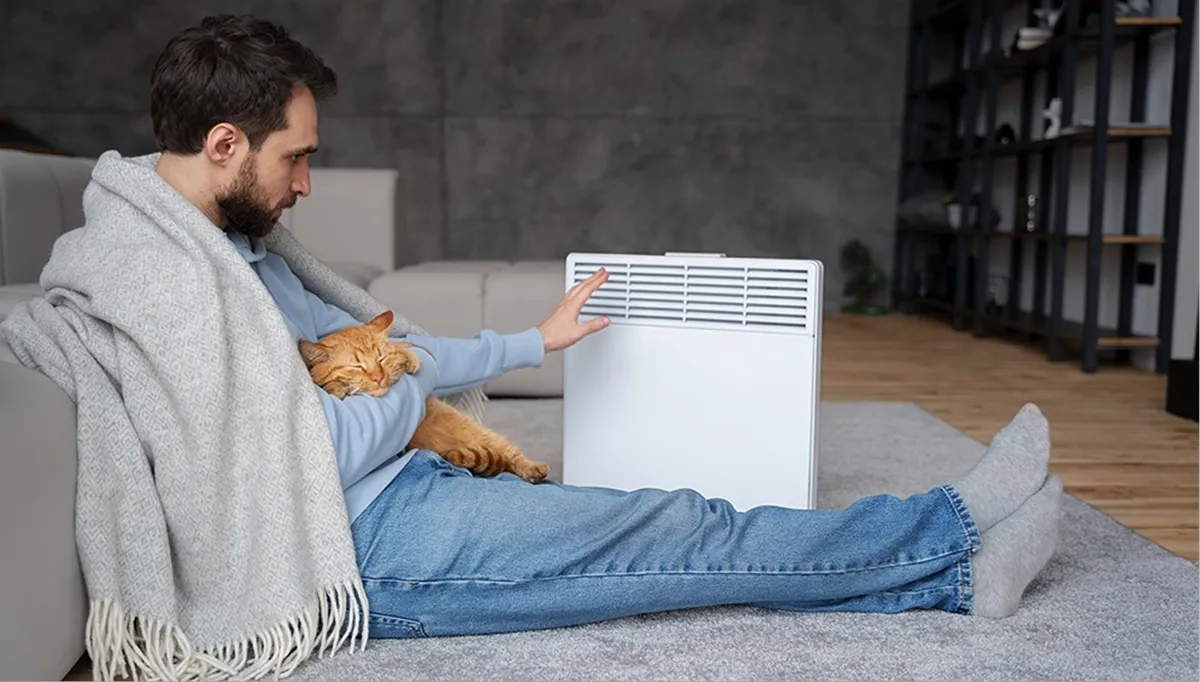
In colder climates, uninsulated pipes in basements, attics, and exterior walls are vulnerable to freezing and bursting. Before winter, insulate exposed pipes, disconnect outdoor hoses, and shut off and drain exterior faucets. During extreme cold, open cabinet doors under sinks on exterior walls and let faucets drip slightly to keep water moving and reduce pressure in the lines.
Keep Plumbing Problems in Check
Most plumbing issues start small and get expensive when they are ignored. With quick visual checks, a few low-cost tools, and seasonal maintenance, you can prevent many leaks, clogs, and breakdowns—and know when it is time to call a professional before damage spreads.


