The End of an Era: Malcolm Brodie and 24 Years of Change in Richmond
For many Richmond residents, it's difficult to imagine the city without Mayor Malcolm Brodie at the helm.
After more than two decades leading Richmond, Brodie has announced that he will not seek re-election, bringing an end to one of the longest mayoral tenures in the city's history. Whether you agreed with every decision or not, there is no denying that Richmond today looks dramatically different than it did when he first took office in 2001.
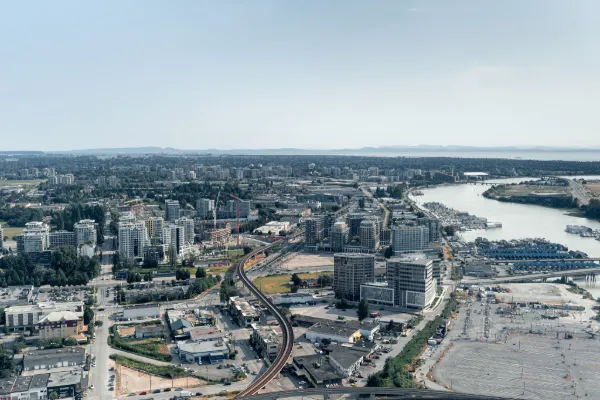
Over the past 24 years, Richmond has experienced unprecedented growth, development, and transformation. From major infrastructure projects to explosive population growth and soaring real estate values, Brodie's tenure coincided with one of the most significant periods of change the city has ever seen.
Richmond in 2001: A Different City
When Malcolm Brodie became mayor in 2001, Richmond was a very different place.
The city's population was approximately 165,000 people. Richmond Centre was still the dominant shopping destination, the Canada Line did not exist, and much of City Centre consisted of low-rise commercial buildings, parking lots, and open land.
Housing was also far more affordable. The average detached home sold for a fraction of today's prices, and Richmond's skyline was nowhere near as dense as what residents see today.
Over the next two decades, however, Richmond would become one of Metro Vancouver's fastest-growing urban centres.
The Canada Line Changed Everything
One of the most transformative projects during Brodie's tenure was the arrival of the Canada Line in 2009.
The rapid transit connection between Richmond, Vancouver, and YVR fundamentally changed how people moved throughout the region. It reduced commuting times, improved accessibility, and sparked significant development around stations throughout City Centre.
The Canada Line became a catalyst for higher-density housing, mixed-use developments, and increased investment throughout Richmond. Areas surrounding Brighouse, Lansdowne, and Aberdeen stations quickly evolved into some of the city's most active development corridors.
Many would argue that Richmond's modern skyline would not exist in its current form without the Canada Line.
The Rise of Richmond City Centre
Perhaps no area changed more dramatically during Brodie's tenure than City Centre.
Over the past two decades, countless condominium towers have reshaped the landscape. New residential communities, office buildings, restaurants, and public spaces have emerged, transforming Richmond from a suburban municipality into a more urban city.
Today, City Centre serves as the economic and cultural hub of Richmond, attracting residents, businesses, and visitors from across the region.
While some residents have embraced this growth, others have expressed concerns about increased density, traffic congestion, and the loss of some of Richmond's traditional character.
The Richmond Olympic Oval Legacy
Another defining moment came with the 2010 Winter Olympics.
The Richmond Olympic Oval quickly became one of the city's most recognizable landmarks. While originally constructed as a speed skating venue for the Games, the facility successfully transitioned into a world-class recreation and fitness centre after the Olympics concluded.
Today, the Oval continues to attract athletes, families, and visitors while serving as a lasting reminder of Richmond's role in hosting a global event.
The surrounding Oval Village area has also seen significant residential and commercial development, creating an entirely new neighbourhood along the Fraser River.
Housing Growth and Affordability Challenges
No discussion about Richmond's transformation would be complete without mentioning real estate.
During Brodie's tenure, housing values increased dramatically. While rising property values benefited many homeowners, affordability became an increasingly significant challenge for first-time buyers and younger families hoping to enter the market.
Like much of Metro Vancouver, Richmond faced ongoing debates surrounding housing supply, density, affordability, and the balance between growth and community character.
These conversations remain some of the most important issues facing the city today.
Not Without Controversy
Major growth inevitably brings debate, and Brodie's years as mayor were no exception.
Residents and community groups frequently voiced opinions on development approvals, density increases, agricultural land protection, transportation planning, and housing policies.
Supporters often point to Richmond's economic growth, infrastructure improvements, and enhanced global profile as evidence of successful leadership.
Critics, meanwhile, have questioned the pace of development and the long-term impact of rapid urbanization.
Regardless of perspective, the conversations helped shape Richmond into the city it is today.
What Comes Next?
As Richmond prepares for its next municipal election, residents will have an opportunity to help determine the city's future direction.
The challenges facing the next mayor will be significant. Housing affordability, transportation, infrastructure, population growth, environmental sustainability, and economic development will all continue to play major roles in shaping Richmond's future.
Whoever takes the reins next will inherit a city that has changed dramatically over the past 24 years.
Looking Back
Whether you view Malcolm Brodie's legacy positively, negatively, or somewhere in between, his impact on Richmond is undeniable.
From the arrival of rapid transit and Olympic infrastructure to the rise of City Centre and the transformation of the local housing market, Richmond's evolution over the past 24 years has been remarkable.
The city that exists today is vastly different from the Richmond of 2001. The skyline has changed. The population has grown. New neighbourhoods have emerged. Housing prices have climbed. And Richmond has established itself as one of Metro Vancouver's most important urban centres.
Of course, not everyone agrees on whether every change has been for the better. Some residents celebrate Richmond's growth, diversity, and increased connectivity. Others miss the quieter, small-town feel that once defined much of the community.
But regardless of where you stand, one thing is certain: Richmond is entering a new chapter.
For the first time in more than two decades, the city will be moving forward without Malcolm Brodie as mayor. The decisions made over the next few years will help determine what Richmond looks like for the next generation.
Will the focus be on increasing housing supply? Expanding transit? Preserving neighbourhood character? Protecting farmland? Improving affordability?
Those conversations are already beginning.
As one era comes to a close, another is just getting started.
