Top 10 Online Scams in 2026 (and How to Avoid Them)
Quick Summary
Online tricksters are getting sneakier every year, and 2026 is no exception. From fake video calls that look just like your loved ones to “prizes” that cost you money, this guide shows you the Top 10 scams to watch out for—and how to protect yourself with simple, common-sense steps.
A Real-Life Situation to Start
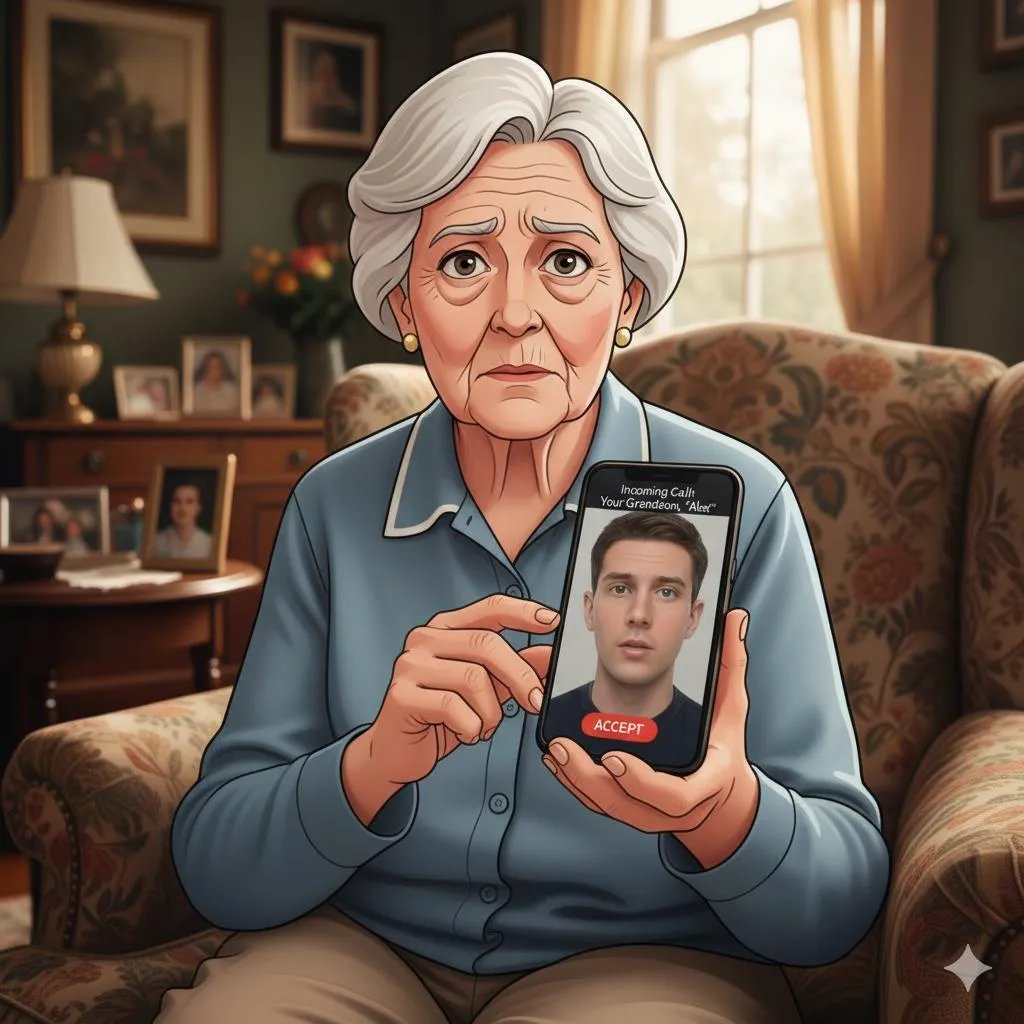
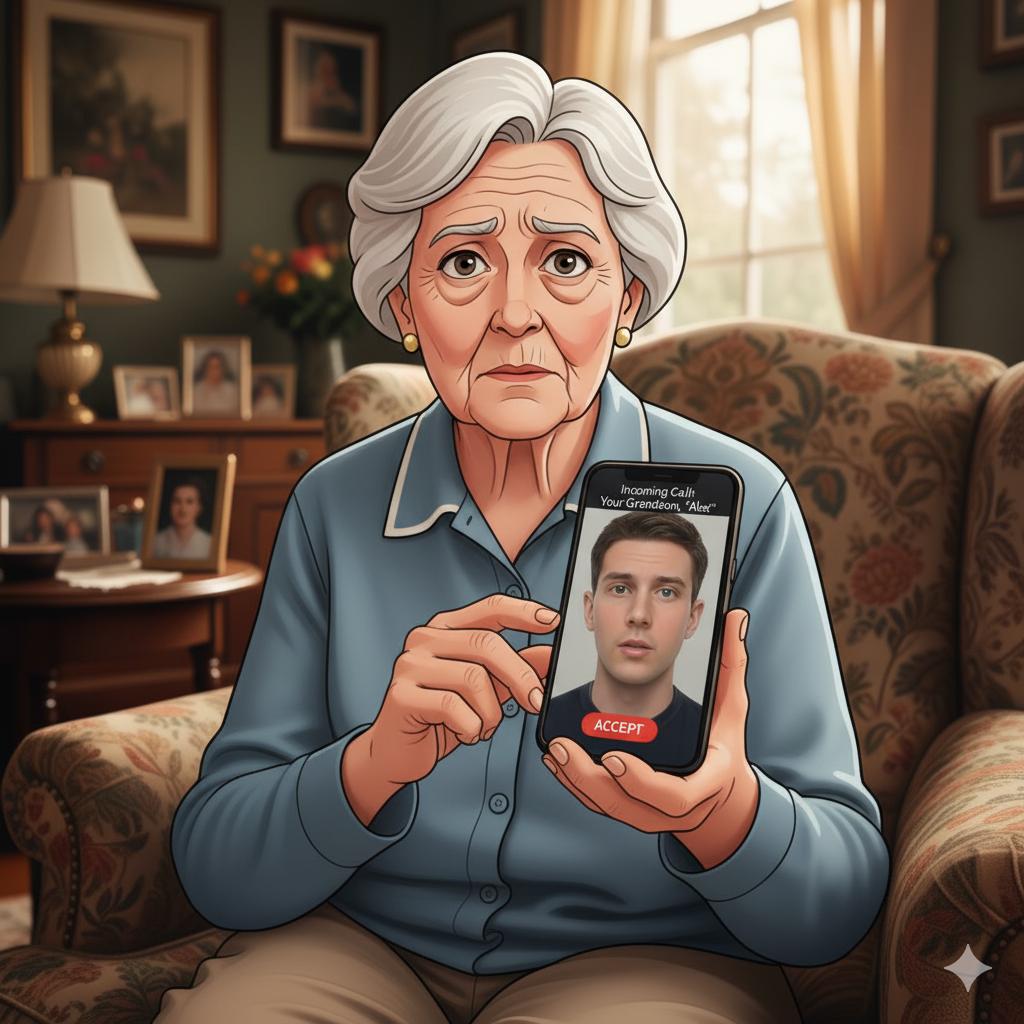
Picture this: You’re relaxing at home when your phone rings. On the screen, it looks exactly like your grandson’s face, and you hear his voice saying:
“Grandma, I’m in trouble. Please send me $500 right now, or I’ll be stuck!”
Your heart races—you’d do anything to help. But later you find out… your grandson was safe at school the whole time. It was a scam.
That’s how smart crooks have gotten in 2026. They can copy faces, voices, and even pretend to be people you know. Let’s walk through the Top 10 online scams today and how to stay safe.
1. Fake Family Emergency Calls
Summary: Criminals copy the voice or video of your loved one and ask for quick money.
How to Avoid: Always hang up and call your loved one back on the number you already have saved. Never rush—scammers want you to act fast.
2. “Perfect Online Boyfriend/Girlfriend”
Summary: Sweet talkers appear online, shower you with attention, then ask for money or “subscription fees.”
How to Avoid: If someone new online moves too fast and asks for money—it’s not love, it’s a trick.
3. Fake Job Offers
Summary: Scammers promise “easy online work” but ask you to pay first for “training materials.”
How to Avoid: Real jobs pay you. If you must send money to get a job—it’s fake.
4. “Smart Investment” Scams
Summary: Strangers promise big profits if you send them money for “special programs.” You never see that money again.
How to Avoid: If it sounds too good to be true, it is. Stick to banks or companies you know and trust.

5. Computer Pop-Up Warnings
Summary: A scary message pops up on your screen saying, “Your computer is broken, call now!”
How to Avoid: Close the window and restart your computer. Don’t call the number. Big companies don’t use pop-ups to contact you.
“Need a hand? Your friends at FriendlyHelp are just a click away—book your appointment today!
6. Fake Delivery Texts
Summary: A text says, “Your package is delayed, click here to track it.” Clicking can let scammers into your phone.
How to Avoid: Only check your package using the official delivery company’s website or app.
“Need a hand? Your friends at FriendlyHelp are just a click away—book your appointment today!
7. Renewal Trick Emails
Summary: You get an email saying, “Your $400 subscription has been renewed. Call us if you didn’t order this.” When you call, they ask for personal details.
How to Avoid: Check your actual bills. If you never bought it, ignore the email.
8. Fake Prizes and Giveaways
Summary: A message claims, “You won a free car! Just pay $100 to claim it.”
How to Avoid: Real prizes don’t cost you money. If you must pay first—it’s a scam.

9. Online Dating + Money Requests
Summary: A new online friend says they’ve fallen for you—then asks for money, usually for “help” or “investment.”
How to Avoid: Love should never come with a bill. If someone asks for money online, stop talking to them.
10. Sneaky Emails That Look Real
Summary: These emails look like they’re from your bank or a store you trust. They say things like “Click here to update your account.”
How to Avoid: Don’t click. Instead, type the bank or store’s official website into your browser and log in there.
“Need a hand? Your friends at FriendlyHelp are just a click away—book your appointment today!
Final Thoughts
The internet in 2026 is wonderful—it connects us to family, friends, and even our favorite shows. But just like locking your front door at night, you need to lock your online doors too.
The golden rule: Pause before you pay. Scammers count on speed and fear. If something feels off, stop, double-check, and call someone you trust.
FAQ: Online Scams in 2026
Q1: What’s the most common scam now?
The fake family emergency. It feels urgent and emotional, which is why it works.
Q2: Can crooks really copy voices and faces?
Yes. Technology lets them sound and look like people you know. Always verify.
Q3: What should I do if I fall for a scam?
Tell your bank right away, change your passwords, and let your family know.
Q4: How can I protect older relatives?
Teach them this simple rule: “Don’t send money without checking with family first.”
Q5: Are scams only online?
No. Some come by phone too. The trick is the same—don’t give money or info to strangers.
Scams in 2026 are powerful because they feel personal—not because you’re careless.
When technology can copy voices, faces, and familiar names, slowing down becomes your strongest defense. Pausing before you pay, verifying with someone you trust, and refusing to act under pressure takes away a scammer’s advantage. And if something ever feels urgent, emotional, or confusing, FriendlyHelp is here to help you sort out what’s real and what’s not—calmly, clearly, and without judgment.
The 5 Golden Rules to Stay Safe Online 🛡️
Pause before you act – Scammers want you to rush. Take a breath.
Never send money right away – Always confirm with family first.
Don’t click unknown links – Go directly to the official website instead.
Protect your personal info – Your bank or government won’t ask for passwords by email or text.
When in doubt, talk it out – Call a trusted friend or family member before making any decision.
✅ With these 5 rules, you’ll be much safer navigating the online world in 2026. Remember: staying careful online is just like crossing the street—look both ways first!
