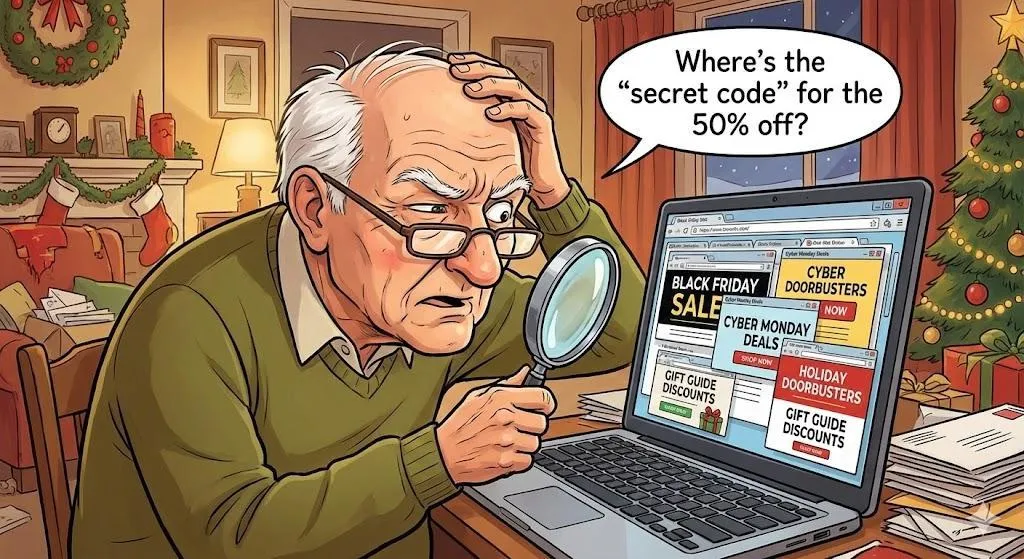
A Friendly Guide to Safe Holiday Online Shopping: How to Spot Real Deals and Avoid Tricky Scams
Quick Summary
Holiday shopping online can be fun and convenient — unless you accidentally stumble into a fake website, a scam sale, or a suspicious “too good to be true” deal. Here’s how to shop safely while keeping your holiday spirit (and your wallet) intact.
Imagine This Scenario
You’re scrolling through Facebook and spot the perfect holiday gift.
It’s 80% off.
The website looks shiny.
A countdown timer says you have 11 minutes to buy it.
You lean closer to the screen, squinting like it’s a magic-eye puzzle…
Is this real? Is this safe? Should I click?!
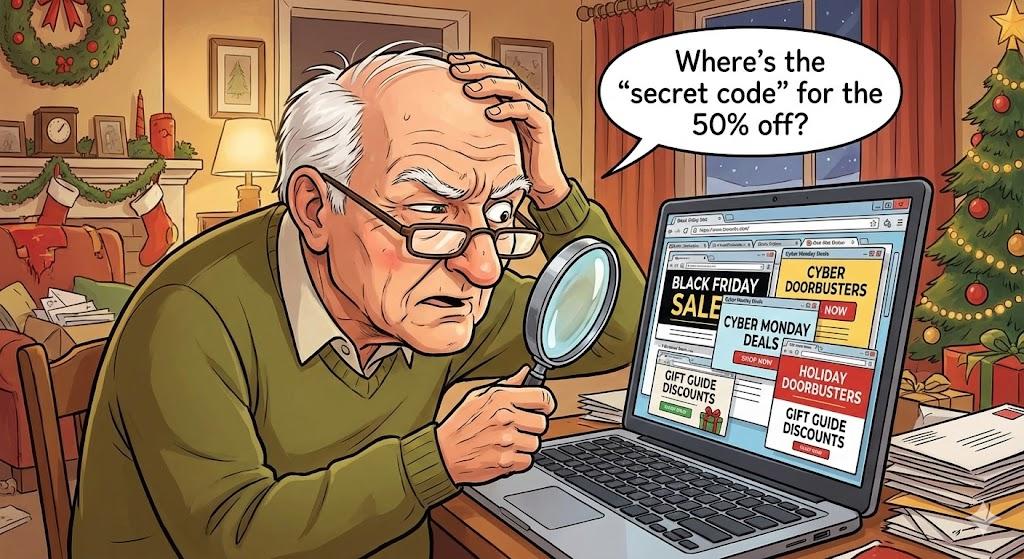
With a little know-how, you can spot scams instantly — and avoid giving your money to someone who isn’t Santa.
1. Watch Out for “Too Good to Be True” Prices
Summary: If it looks unbelievable, it probably is.
Scammers love flashing massive discounts to get your attention:
70% off
80% off
“Everything must GO!”
Real stores offer good deals — not fantasy ones.
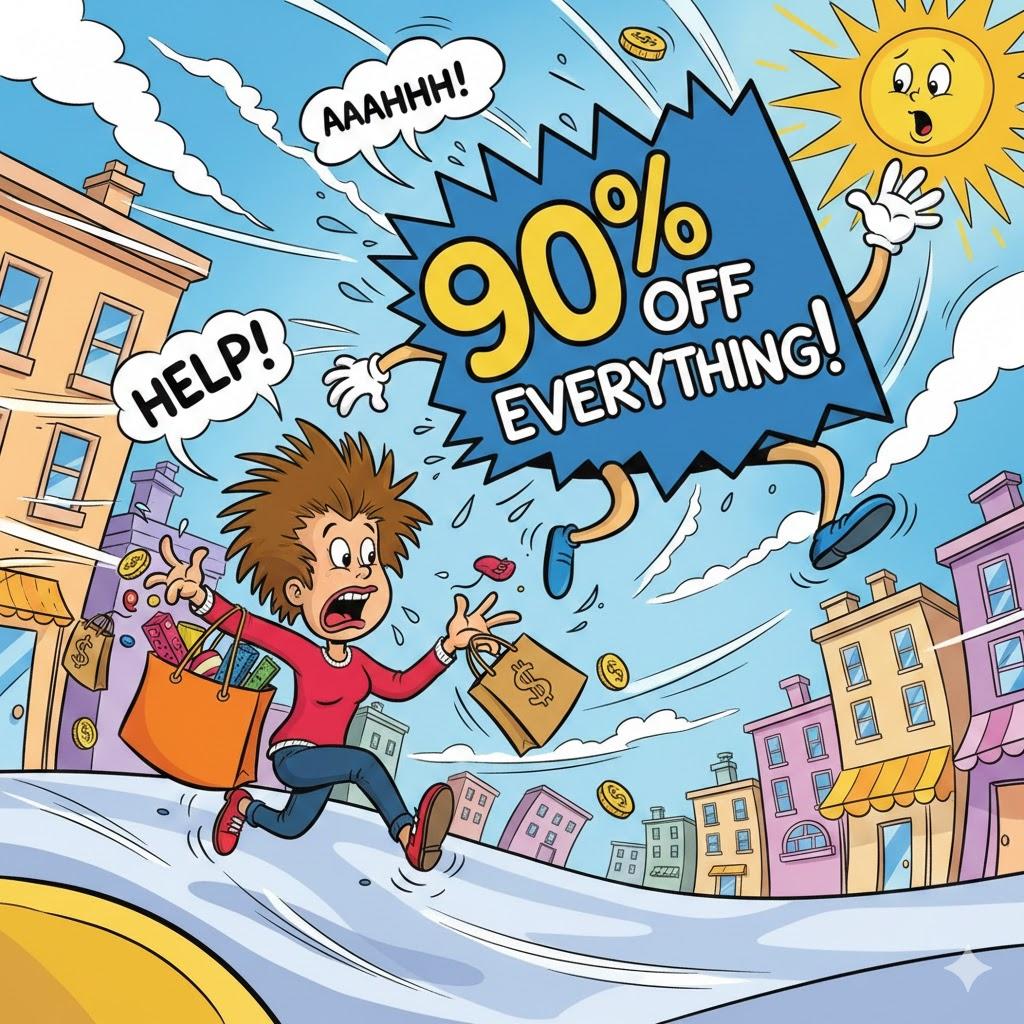
If the deal makes you raise an eyebrow, trust your eyebrow.
2. Check the Website Address Carefully
Summary: A single wrong letter can cost you money.
Scammers clone real websites but change tiny details:
Always make sure the site:
✔️ Starts with https
✔️ Has a lock symbol
✔️ Is spelled exactly right
If it smells even a little fishy, close the tab.
“Need a hand? Your friends at FriendlyHelp are just a click away—book your appointment
3. Only Use Safe Payment Methods
Summary: Payment = protection.
For safe online shopping, stick to:
✔️ Credit cards
✔️ PayPal
Avoid anything that works like handing cash to a stranger:
❌ Zelle
❌ CashApp
❌ Bank transfers
❌ Crypto
These can’t be reversed — scammers prefer them for a reason.
“Need a hand? Your friends at FriendlyHelp are just a click away—book your appointment
4. Check the Reviews — Not Just the Ones on the Website
Summary: Fake stores love fake compliments.
Avoid trusting reviews that appear only on the website itself.
Instead, search on:
Amazon
YouTube
Google
Reddit
Look for honest opinions, not copy-paste praise.
5. Look for a Real Contact Page
Summary: If something goes wrong, can you reach a human?
Safe online stores have:
A real address
A real email
Customer service information
Fake stores have:
A blank page
A dead-end contact form
An email like [email protected]
If you can’t contact them now, you won’t contact them later.
6. Read the Return Policy BEFORE You Buy
Summary: If you can’t return it, don’t buy it.
Red flags include:
❌ No return policy
❌ No return address
❌ “Buyer pays ALL fees”
❌ Confusing long paragraphs
Legitimate stores keep it simple and clear.
7. Be Careful With Social Media Ads
Summary: The cutest ads are often the sneakiest.
If the ad looks like a Hallmark movie and the price looks like a clearance bin — be careful.
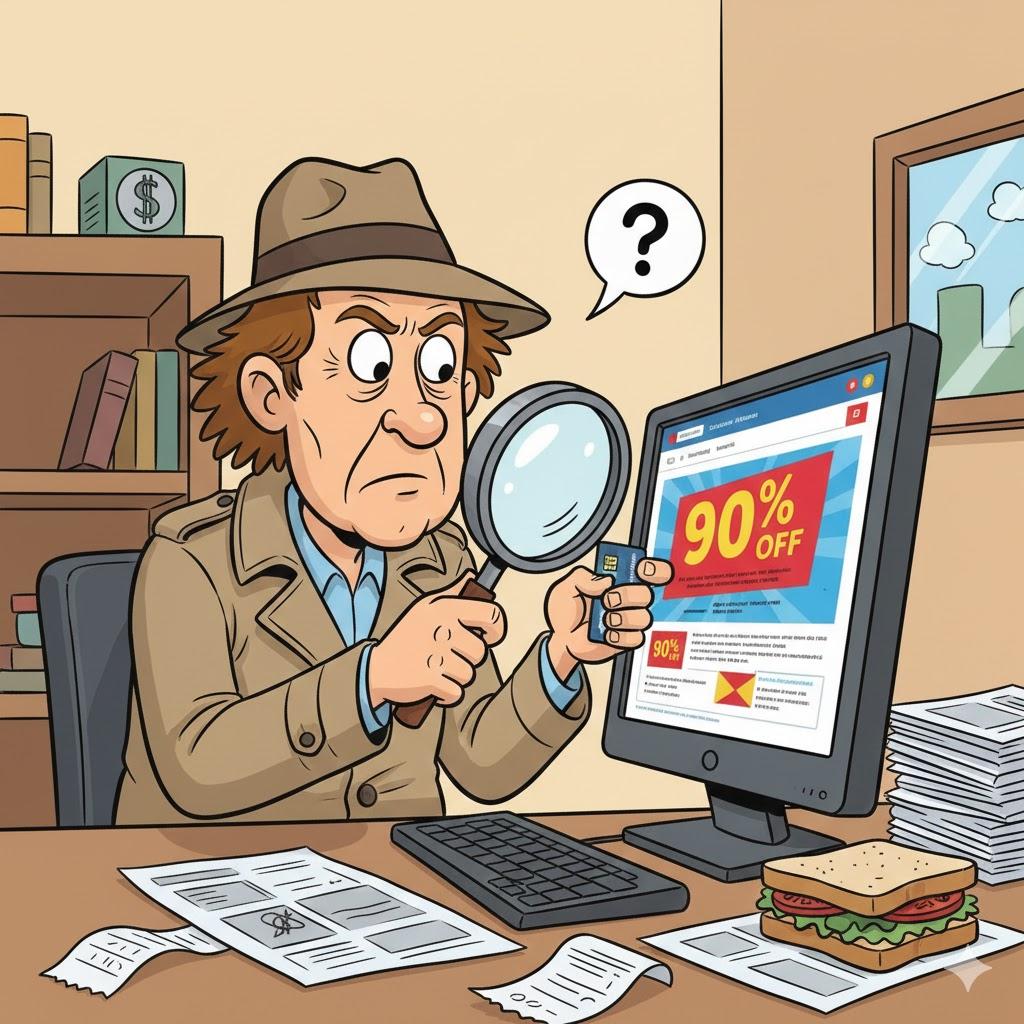
Instead of buying directly from the ad, search the product on a trusted store first.
FAQ: Holiday Online Shopping Safety
Q1: What if I already placed the order?
If no confirmation number arrives, call your bank.
Q2: Are big discounts always scams?
No — but massive ones usually are.
Q3: Should I trust countdown timers?
Not usually — they reset every time you refresh.
The 5 Golden Rules of Safe Holiday Shopping
Trust your instincts — and your eyebrows.
Double-check website spelling.
Only pay with safe methods.
Don’t buy directly from social media ads.
When uncertain, close the tab and breathe.
Safe holiday shopping is less about finding the biggest deal—and more about spotting the safest one.
Taking a moment to pause, check details, and trust your instincts can save you from scams that thrive on excitement and urgency. When something feels rushed or confusing, it’s okay to step back. And if you ever want a second opinion before clicking “Buy,” FriendlyHelp is here to help you shop smart, stay secure, and keep your holidays joyful—not stressful.
