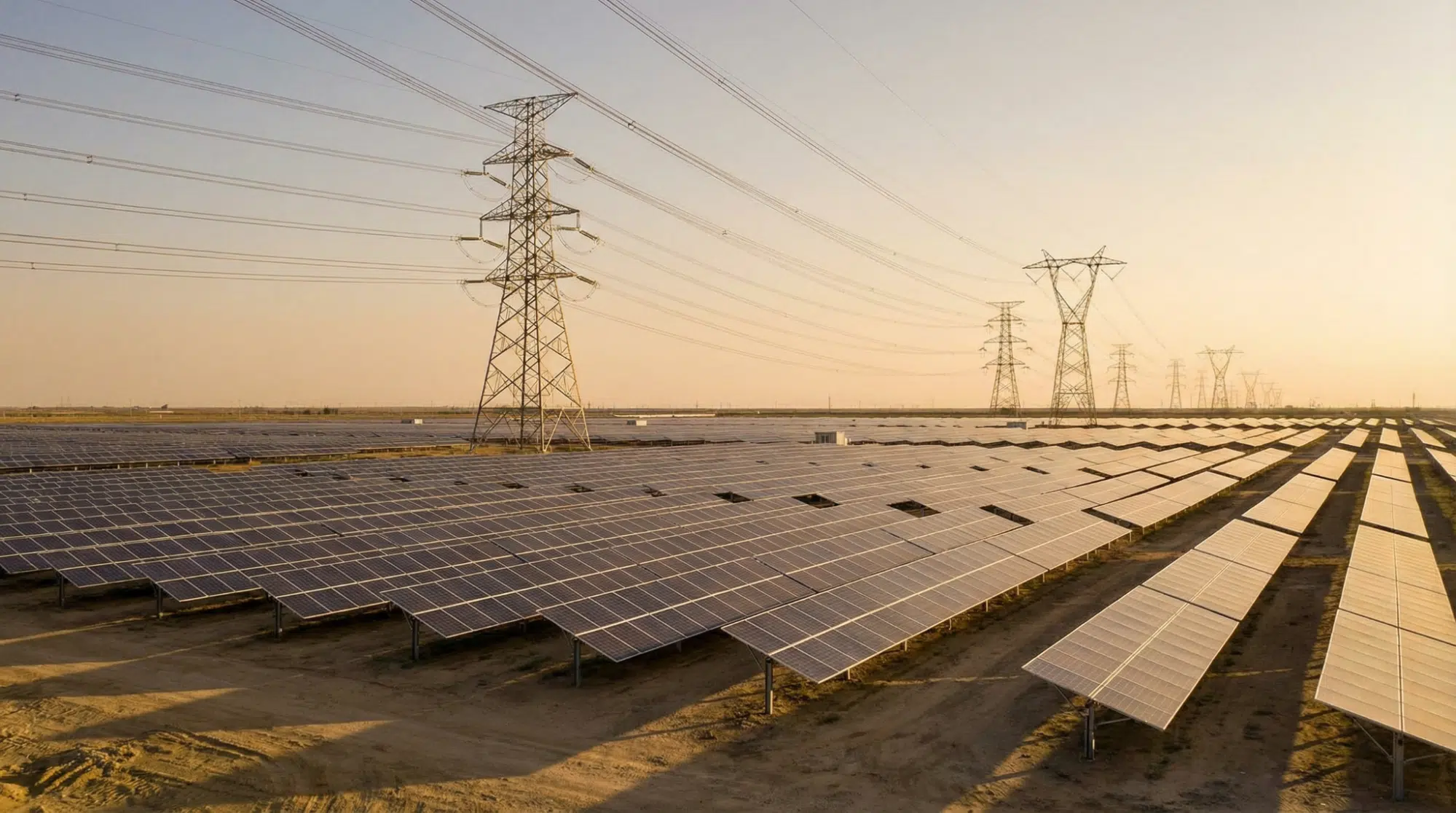
Data Center Transformer Shortage: $750B AI Capex Hits a Power Bottleneck in 2026
AI hyperscalers plan more than $750B of data center capex in 2026, but 30–50% of sites risk delay or cancellation due to a data center transformer shortage and switchgear backlogs. With 3–5 year lead times and gear sold out through 2028, assets with secured, energized capacity command a speed‑to‑power premium—and that reprices industrial property near the electric supply chain.
By Keith Reynolds | Publisher & Editor, ChargedUp!
Key Takeaways:
$750B+ AI data center capex in 2026 (industry leader estimates cited at ACT Expo).
30–50% of 2026 openings delayed/canceled (Sightline Climate), with ~5 GW under construction vs. ~16 GW announced.
High‑power transformer lead times: ~3–5 years; switchgear is effectively sold out through 2028.
Locational premium forming for power‑served industrial assets and sites near substation corridors and equipment supply nodes.
Manufacturing realignment has begun (e.g., Panasonic, GM pivoting to stationary storage), but relief is on a 2029+ horizon.
For industrial and commercial property owners, this is the quiet story underneath the AI headlines. When the constraint on the largest capital flow in the economy is electrical hardware, proximity to that hardware becomes a measurable asset.
What is causing the data center transformer shortage?
A synchronized demand surge met a supply chain sized for flat load growth.
Stacked demand: Hyperscale data centers, electrification of fleets/buildings, and grid hardening pull from the same transformer and switchgear factories.
Specialized equipment: Large power transformers require grain‑oriented steel, precision cores, high‑skilled labor, and lengthy testing/commissioning cycles.
Long-cycle manufacturing: Adding capacity requires new lines, certification, and workforce ramp—multi‑year by nature.
BOP limits too: Even when transformers are sourced, medium‑voltage switchgear and protection equipment are backlogged, creating a second bottleneck.
How does the transformer shortage change site selection and industrial property value?
Time‑to‑power is now a location variable, and it prices in.
Speed‑to‑power premium: Sites with executed interconnection agreements, energized substations, and headroom above current load can deliver capacity sooner—often the only schedule advantage money can buy.
Queue position matters: Interconnection queues and PJM capacity market signals increasingly determine who energizes first.
Secondary markets form: Proximity to transformer manufacturing, substation corridors, and logistics hubs for electrical equipment increases the likelihood of faster replacements, spares, and service.
Existing power‑served assets: Industrial buildings with oversized service or redundant feeds gain leasing leverage with AI, cloud, and chip‑adjacent tenants chasing timelines, not just square footage.
Where is manufacturing capacity heading—and when?
A visible pivot is underway, but relief lands after the 2026 capex wave.
Battery shift to data centers: Panasonic disclosed it will convert its $4B De Soto, Kansas facility to data center batteries beginning in 2029; General Motors is converting a Tennessee plant to stationary storage cells.
Transformers and switchgear: Lead times remain measured in years; factories are adding shifts and lines, but scaling skilled labor, specialized steel, and testing bays caps near‑term throughput.
Takeaway: Expect uneven, region‑specific easing post‑2028; underwriting should assume today’s bottleneck persists through typical development cycles.
This is the speed‑to‑power site selection dynamic ChargedUp! has tracked through interconnection queues and the PJM capacity market, now expressed in the equipment layer. Our Energy‑Equity Connection white paper frames energy access as a determinant of asset value. In 2026, the thesis is blunt: when billions are ready but transformers are not, power‑ready assets capture the value.
The practical screen for owners is straightforward. Inventory the power status of every industrial asset: secured capacity, interconnection position, substation proximity, and the headroom between current load and rated service. In a market where data centers cannot energize for want of transformers, those attributes are no longer back-office facilities details. They are the basis of competitive value.
The capital is unlimited. The transformers are not. That gap is where industrial property value is moving.
Frequently Asked Questions
How severe is the data center transformer shortage in 2026?
Industry estimates suggest 30–50% of planned 2026 data center openings will be delayed or canceled, with only ~5 GW under construction out of ~16 GW announced. The binding constraints are high‑power transformers and switchgear availability.
How long are lead times for high‑power transformers and switchgear?
Typical lead times for large power transformers run ~3–5 years. Medium‑voltage switchgear has multi‑year backlogs and is effectively sold out through 2028 in many channels.
Which locations benefit most from transformer scarcity?
Sites with executed interconnection agreements, energized substations, and documented headroom benefit first. Proximity to substation corridors and transformer/switchgear supply nodes can also shorten replacement and commissioning timelines.
What can industrial owners do to quantify power‑readiness?
Audit secured capacity (kVA/MVA), interconnection status, substation proximity and ratings, on‑site gear specifications, and easements. Stage pads and conduits, consider dual feeds, and align rent commencements with equipment delivery milestones.
Can battery storage replace the need for transformers?
No. Storage can reduce peak demand and enable partial service, but it does not replace transformers or switchgear required to connect large loads safely to the grid.
Next Steps
Use the 2026–2029 mismatch between capital and hardware to reposition your assets and timelines.
Run the power‑readiness audit across your portfolio and create a register of sites with immediate headroom.
Engage utilities now to validate capacity, upgrade paths, and substation plans tied to your parcels.
Pre‑spec and reserve long‑lead electrical gear; standardize designs to fit factory production slots.
Structure deals around equipment delivery milestones and consider bridging solutions for partial energization.
Download the Energy‑Equity Connection white paper and subscribe to ChargedUp! for grid‑constrained market alerts.
