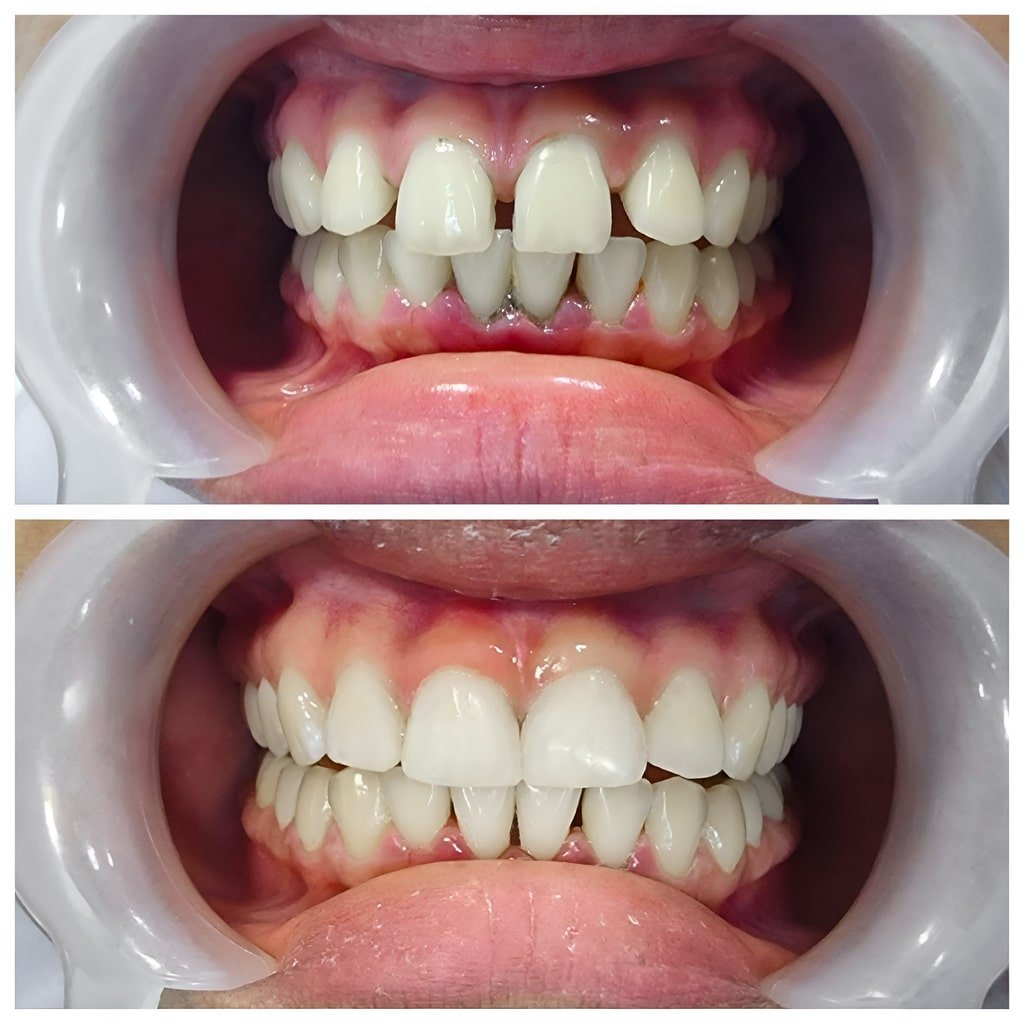
Dental Implants for Seniors in Langhorne, PA | Safety Guide
Dental Implants for Seniors: Age, Safety, and What to Expect in Langhorne, PA
If you're 60, 70, or even 80+ and considering dental implants, you're probably wondering:Am I too old for this?
It's one of the most common questions older adults ask before visiting an implant dentist in Langhorne, PA. And the short answer is reassuring: age alone does not disqualify you from getting dental implants. What matters far more is your overall health, the condition of your jawbone, and whether any existing medical conditions are well managed.
Dental implants for seniors have become one of the most requested procedures in modern dentistry. Adults in their 70s and 80s routinely receive implants and enjoy the same success rates as younger patients. In fact, the American Dental Association reports implant success rates above 95% across all adult age groups, including older adults.
This guide walks you through everything you need to know about getting dental implants as a senior in Langhorne, PA, from candidacy and safety to the step-by-step process, recovery timelines, and available options for patients with bone loss.
Are Seniors Good Candidates for Dental Implants?
Yes, and the research backs it up. A 2019 study published in theJournal of Dental Researchconfirmed that implant survival rates in patients over 65 were comparable to those in younger patients when general health was adequate. The deciding factors aren't about the number on your driver's license.
Good candidates for senior dental implants in Langhorne typically share these characteristics:
Adequate jawbone densityto support the implant post (or willingness to undergo bone grafting for dental implants if bone loss is present)
Controlled chronic conditionssuch as diabetes, high blood pressure, or heart disease
Non-smoker or willing to quitduring the healing period
Healthy gum tissueor treatable gum disease
Commitment to oral hygieneand follow-up visits
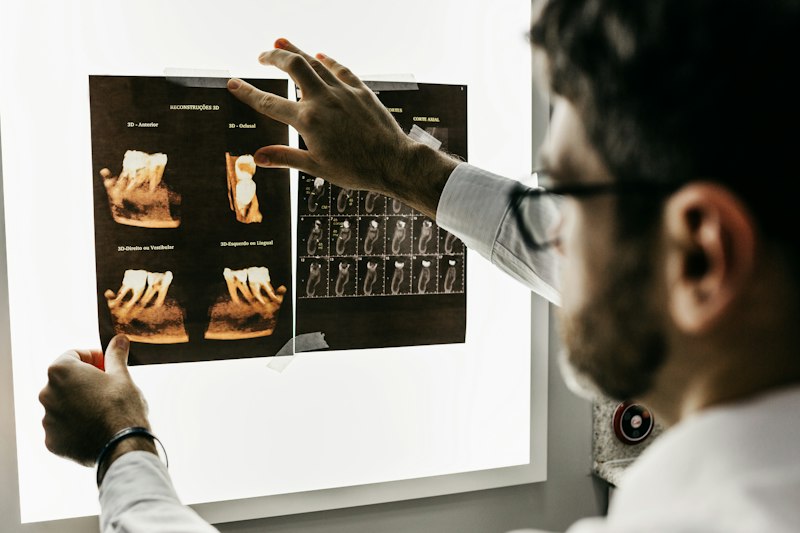
During a thorough evaluation, your implant team reviews your medical history, takes 3D cone-beam CT scans to assess bone volume, and discusses any medications you're currently taking. Blood thinners, bisphosphonates (used for osteoporosis), and certain immunosuppressants require special planning but rarely prevent implant treatment altogether.
Age vs. Health: What Actually Matters
Here's where many seniors get confused. They assume that being 75 or 80 automatically puts them in a higher-risk category. But dentists and oral surgeons don't evaluate candidacy based on age. They evaluate based on health status.
Consider two hypothetical patients:
Patient A:78 years old, walks daily, manages blood pressure with medication, has good bone density. Excellent implant candidate.
Patient B:55 years old, uncontrolled diabetes, heavy smoker, severe bone loss. Much higher risk for implant failure.
Patient A would likely have a smoother, more predictable outcome than Patient B, despite being 23 years older. The takeaway: your body's ability to heal and integrate the implant matters more than your birth year.
That said, older adults do heal slightly slower than younger patients. This is normal. Your implant dentist accounts for this by adjusting healing timelines and possibly recommending sedation dentistry options for longer procedures to keep you comfortable throughout.
Common Concerns Seniors Have About Dental Implants
Bone Loss and Jawbone Deterioration
This is the number one concern for elderly patients, and it's valid. After teeth are lost or extracted, the jawbone in that area begins to shrink. If you've been wearing dentures for years, you may have significant bone loss.
But bone loss doesn't automatically rule you out. Bone loss treatment for implants has advanced significantly. Grafting procedures add bone material to thin or weak areas of the jaw, creating a solid foundation for implant placement. Many seniors in Bucks County undergo grafting as part of their implant treatment plan and proceed to full implant placement within 4 to 6 months.
For seniors with severe bone loss who want to avoid grafting entirely, All-on-4 implants (covered below) offer an alternative that works with the bone you already have.
Healing Time and Recovery
Seniors often worry that their bodies won't heal fast enough. While healing does slow with age, implant osseointegration (the process where the titanium post fuses with your jawbone) follows a predictable timeline regardless of age. Most seniors experience full integration within 3 to 6 months, which is consistent with younger patients.
Medications and Medical Conditions
Conditions like diabetes, osteoporosis, and heart disease require extra planning but are rarely absolute barriers. Your implant team coordinates with your primary care physician or cardiologist to confirm you're stable enough for a minor surgical procedure. Most implant placements take 30 to 60 minutes per implant and are performed under local anesthesia with optional sedation.
Implant Options for Seniors
Not every senior needs the same type of implant. The right solution depends on how many teeth you're missing, the condition of your jawbone, your budget, and your lifestyle goals. Here are the most common dental implant treatment options recommended for older adults:
Single Tooth Implants
If you're missing one tooth, a single implant replaces it independently without affecting neighboring teeth. A titanium post is placed into the jawbone, topped with a custom abutment and porcelain crown. Single implants look, feel, and function like a natural tooth. They're also the easiest to maintain: just brush and floss normally.
Best for:Seniors missing one tooth due to decay, fracture, or extraction.
Implant-Supported Bridges
When two or more adjacent teeth are missing, an implant-supported bridge fills the gap without relying on natural teeth for support. Two implant posts anchor a bridge of three or more connected crowns. This approach preserves jawbone in the area and prevents neighboring teeth from shifting.
Best for:Seniors missing multiple teeth in a row within the same arch.
Full-Mouth Dental Implants
For seniors who have lost most or all of their teeth, full mouth dental implants restore an entire arch (upper, lower, or both) using 4 to 8 strategically placed implants supporting a full set of fixed, non-removable teeth. Unlike traditional dentures, these don't slip, don't require adhesive, and let you eat steak, apples, and corn on the cob without hesitation.
Best for:Seniors who are tired of dentures or who need all teeth replaced.
All-on-4 Dental Implants for Seniors
The All-on-4 protocol is specifically designed for patients with moderate to severe bone loss, making it one of the most popular implant options for older adults. Four implants are placed at precise angles in areas of the jaw where bone is naturally thickest. This technique often eliminates the need for bone augmentation for implants, reduces surgery time, and in many cases allows you to leave the office with a temporary set of fixed teeth on the same day.
Best for:Seniors with bone loss who want a fast, full-arch solution without extensive grafting.
Implant OptionTeeth ReplacedBone Grafting Needed?Same-Day Teeth?Single Implant1 toothSometimesRarelyImplant Bridge2-4 teethSometimesNoFull-Mouth ImplantsFull archOftenSometimesAll-on-4Full archRarelyYes (temporary)
Why Bone Grafting Matters for Senior Implant Patients
Bone grafting isn't something to fear. It's one of the most well-established procedures in oral surgery and has made implants possible for thousands of seniors who would otherwise not qualify.
Here's how it works: your surgeon places a bone graft material (often a biocompatible synthetic or donor material) into the area of the jaw where volume has been lost. Over the next 3 to 6 months, your body incorporates this material and generates new natural bone. Once the area has healed and reached adequate density, implant placement proceeds.
Common grafting procedures for seniors include:
Socket preservation graft:Placed immediately after tooth extraction before implants to prevent bone loss in the extraction site
Ridge augmentation:Builds up a narrow or short jawbone ridge to support an implant
Sinus lift:Adds bone beneath the sinus cavity for upper jaw implants
Modern grafting techniques are minimally invasive and performed under local anesthesia. Most patients report only mild soreness for a few days afterward.
Are Dental Implants Safe for Seniors?
Absolutely. Dental implant surgery is classified as a minor outpatient procedure. It's performed in a dental office, not a hospital. Complications are rare, and serious adverse events are extremely uncommon when proper screening and planning are done beforehand.
Key safety points for elderly patients:
Success rates above 95%for seniors with controlled health conditions
Local anesthesia is standard,meaning no general anesthesia risks
3D imaging and robotic-guided placementtechnology reduces surgical error and speeds healing
Procedure time is short,typically 30 to 60 minutes per implant
Sedation options are availablefor patients with dental anxiety treatment options that range from mild nitrous oxide to IV sedation
The biggest risk factor for implant failure in seniors isn't age. It's uncontrolled diabetes, active smoking, or untreated periodontal disease. Address those, and your odds of long-term success are excellent.
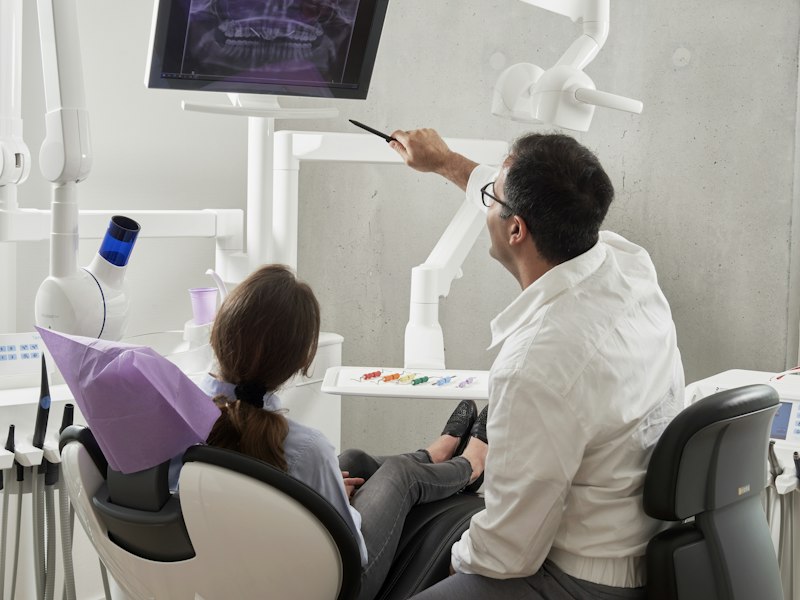
Ready to find out if dental implants are right for you?Patients throughout Langhorne, Bucks County, and surrounding areas trust our team for honest evaluations and personalized treatment planning.Schedule a dental implant consultation to review your options with a 3D CT scan and a one-on-one discussion with our implant specialists.
The Dental Implant Process: Step by Step for Seniors
Knowing what to expect removes much of the anxiety. Here's the typical timeline for senior dental implant patients in Langhorne:
Initial consultation and 3D imaging (Day 1):Your dentist examines your mouth, reviews your medical history, and takes cone-beam CT scans to evaluate bone volume, nerve locations, and sinus proximity. You'll discuss goals, options, and costs.
Pre-surgical preparation (if needed):If teeth need to be removed, tooth removal for implant preparation is scheduled. If bone grafting is required, that happens during this phase, followed by a 3 to 6 month healing period.
Implant placement surgery (30-60 minutes per implant):The titanium post is surgically placed into the jawbone. You'll receive local anesthesia and optional sedation. Most patients feel pressure but no pain.
Osseointegration (3-6 months):Your jawbone gradually fuses around the implant, creating a permanent anchor. During this time, you wear a temporary restoration if needed.
Abutment placement (short visit):Once integration is confirmed, a small connector piece is attached to the implant.
Final crown or prosthetic (2-3 weeks later):Your custom-made crown, bridge, or full-arch restoration is fabricated and permanently attached. You leave with a complete, functional smile.
Total treatment time from start to finish ranges from 4 to 9 months for most seniors, depending on whether grafting is needed. All-on-4 patients may receive temporary teeth on the same day as surgery, with final restorations placed 3 to 6 months later.
Recovery Expectations for Senior Patients
Recovery after implant surgery is more comfortable than most seniors expect. Here's a realistic breakdown:
Day 1-3:Mild to moderate soreness, manageable with over-the-counter pain relievers (ibuprofen or acetaminophen). Some swelling and minor bruising is normal.
Day 4-7:Discomfort fades significantly. Soft foods are recommended (soups, yogurt, scrambled eggs, mashed potatoes).
Week 2-3:Most patients return to normal eating habits. Stitches dissolve or are removed.
Month 1-2:The surgical site feels natural. You attend a follow-up visit to confirm healing is progressing.
Month 3-6:Osseointegration completes. Final restoration is placed.
Tips for a smooth recovery as a senior:
Follow all post-operative instructions carefully
Avoid hard, crunchy, or sticky foods for the first 2 weeks
Don't smoke during the healing period
Keep the surgical site clean with gentle saltwater rinses
Attend all scheduled follow-up appointments
Dentures vs. Dental Implants for Seniors: Making the Right Choice
Many seniors in Langhorne and across Bucks County have worn traditional dentures for years and are frustrated with the daily inconveniences: slipping, adhesive pastes, sore spots, difficulty eating certain foods, and gradual bone loss that changes the fit over time.
Here's how dental implants compare to traditional dentures:
FeatureTraditional DenturesDental ImplantsStabilityCan slip and shiftPermanently fixedBone preservationAccelerates bone lossStimulates and preserves boneEating abilityLimited (avoid hard foods)Eat anythingMaintenanceNightly removal, soaking, adhesiveBrush and floss normallyLifespan5-8 years before replacement25+ years with proper careComfortCan cause sore spotsFeels like natural teethSpeechCan affect pronunciationNo impact on speech
For seniors who aren't ready for full implants, snap-in implant dentures offer a middle ground. Two to four implants anchor a removable denture that clicks securely into place, eliminating slippage while still being removable for cleaning.
Cost and Financing for Senior Dental Implants
Cost is a real concern, and it's important to approach it honestly. Dental implants require a larger upfront investment than dentures, but the long-term value often makes them more cost-effective. Dentures need regular relining, replacement every 5 to 8 years, and adhesive purchases that add up. Implants, once placed, can last 25 years or longer with basic oral hygiene.
The actual cost varies based on:
Number of implants needed
Whether bone grafting is required
Type of restoration (single crown, bridge, or full arch)
Sedation preferences
Lab fees for custom prosthetics
Many dental insurance plans cover a portion of implant treatment. Medicare does not typically cover dental implants, but supplemental dental plans and Medicare Advantage plans sometimes do. It's worth checking your specific policy.
Financing options make treatment accessible for seniors on fixed incomes. Look for practices that offer:
Interest-free payment plans
Third-party financing (CareCredit, Lending Club)
HSA and FSA eligibility
Phased treatment plans that spread costs over several months

Why Seniors in Langhorne Choose Implant Dentistry
Patients from Langhorne, Levittown, Bensalem, Newtown, Yardley, and throughout Bucks County choose local implant care for several practical reasons:
Convenience:No long drives to Philadelphia. Treatment happens close to home with easy parking and accessible facilities.
Advanced technology:Robotic-guided implant placement (Yomi system) ensures precision, smaller incisions, and faster healing, which is especially beneficial for seniors.
Continuity of care:Your implant dentist, surgeon, and restorative team work under one roof. No referrals to unfamiliar offices.
Personalized treatment planning:Every patient's medical history, bone structure, and goals are different. Individualized plans account for medications, health conditions, and lifestyle.
Comfort-focused approach:Comfortable dental implant procedures are prioritized with multiple sedation levels available for anxious patients or longer procedures.
Having access to an experienced team for dental implants in Langhorne that understands the unique needs of older patients makes the entire process feel manageable rather than overwhelming.
Frequently Asked Questions About Dental Implants for Seniors
Is there an age limit for dental implants?
No. There is no upper age limit for dental implants. Patients in their 80s and even 90s have successfully received implants. Candidacy depends on your overall health, jawbone condition, and ability to heal, not your age. Your dentist will perform a thorough evaluation including 3D imaging to determine if implants are a good fit for you.
Are dental implants safe for seniors with diabetes or heart disease?
Yes, as long as these conditions are well-controlled. Patients with managed Type 2 diabetes have implant success rates similar to non-diabetic patients. For heart conditions, your implant team will coordinate with your cardiologist to confirm you're cleared for a minor surgical procedure. Blood thinners may need temporary adjustment.
What if I have significant bone loss from wearing dentures for years?
Bone loss is common in long-term denture wearers, but it doesn't necessarily prevent implant treatment. Bone grafting for dental implants can rebuild lost jawbone volume. Alternatively, All-on-4 implants are specifically designed to work with reduced bone by placing implants at strategic angles in areas of maximum bone density.
How painful is the dental implant procedure for older patients?
Most seniors report that the procedure itself is painless due to local anesthesia. Post-surgical discomfort is typically mild and well-managed with over-the-counter medications like ibuprofen. Many patients say the experience was easier than they expected. If you have dental anxiety, dental anxiety treatment options including nitrous oxide and IV sedation are available.
How long does recovery take for senior implant patients?
Initial recovery (soreness and swelling) typically resolves within 5 to 7 days. Full osseointegration, where the implant fuses with your jawbone, takes 3 to 6 months. Most seniors return to normal daily activities within 2 to 3 days of the procedure. Your implant team provides detailed post-operative care instructions tailored to your health status.
What is the success rate of dental implants in elderly patients?
Dental implants have a success rate of 95% or higher in seniors with controlled health conditions. Studies published in peer-reviewed journals consistently show that age alone does not reduce implant survival rates. With proper planning, placement by an experienced team, and good oral hygiene, implants can last 25 years or more.
Take the First Step Toward a Stronger, More Confident Smile
You've spent years taking care of your family, your career, and everyone around you. Your smile deserves the same attention. Whether you're dealing with loose dentures, missing teeth, or failing dental work, implants can restore your ability to eat, speak, and smile without compromise.
Seniors throughout Langhorne, Levittown, Bensalem, Newtown, and greater Bucks County have already made the switch from dentures to permanent tooth replacement with dental implants. Many wish they'd done it sooner.
Your next step is simple:book an implant evaluation appointment. During your visit, you'll receive a comprehensive exam, 3D CT imaging, and a clear treatment plan with transparent pricing. There's no pressure and no obligation.
