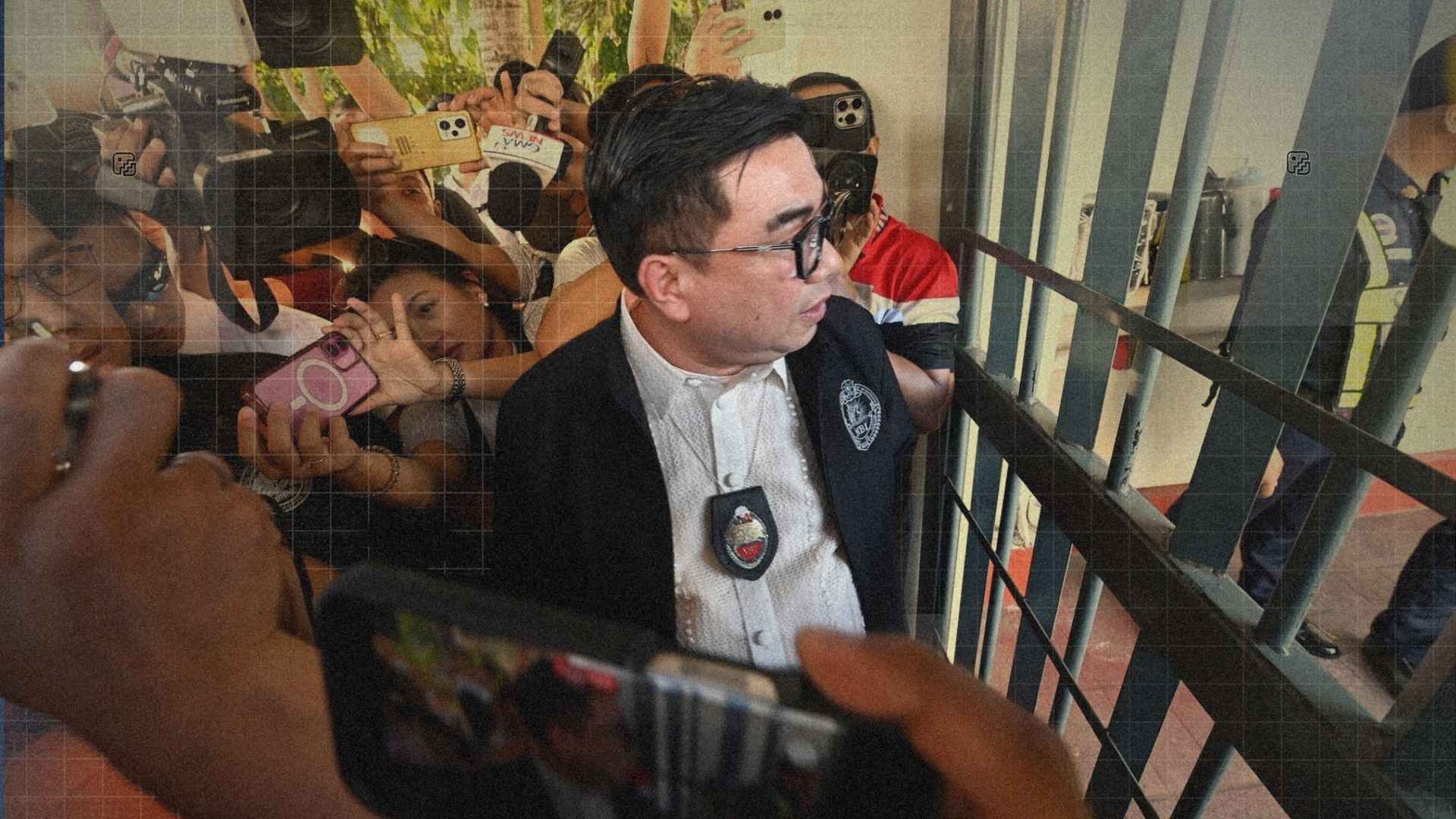
“9 NBI Personnel Nasa Kustodiya Matapos ang Umano’y Pangha-harass kay Sen. Bato dela Rosa”
Muling naging sentro ng pambansang usapan ang Senado matapos kumpirmahin na siyam na tauhan ng National Bureau of Investigation (NBI) ang nasa kustodiya ng kanilang ahensya kaugnay ng insidenteng may kinalaman sa umano’y pangha-harass kay Senador Ronald “Bato” dela Rosa.
Ayon kay NBI Director Melvin Matibag, magkakaroon ng magkahiwalay na imbestigasyon mula sa Senado at mismong NBI upang alamin ang buong detalye ng nangyari. Dagdag pa niya, bagama’t naka-contempt pa rin ang siyam na tauhan, nasa pangangalaga na sila ng kanilang ahensya.
Kasabay nito, tiniyak din umano ni Matibag na walang magaganap na pag-aresto kay Sen. Bato dela Rosa.
Ngunit kahit may mga paliwanag nang inilabas, hindi pa rin napigilan ang malakas na reaksyon ng publiko online.
Sa social media, mabilis na naging emosyonal ang usapan.
May mga naniniwalang may nangyaring overreach o intimidation sa loob mismo ng Senado. Samantalang may iba namang nagsasabing dapat hintayin muna ang opisyal na resulta ng imbestigasyon bago bumuo ng matinding konklusyon.
At dito muling nakita ang lumalalim na political tension sa bansa.
Kapag pangalan na ni Sen. Bato dela Rosa ang sangkot, hindi na simpleng balita lang ito para sa maraming Pilipino.
Para sa supporters niya, simbolo siya ng matapang na pagpapatupad ng batas noong nakaraang administrasyon. Kaya anumang issue laban sa kanya ay mabilis ding nagiging emotional at political discussion.
Pero para sa iba, mahalagang manatiling objective at legal ang pagtingin sa sitwasyon.
At dito pumapasok ang mas malaking usapin:
Paano mapapanatili ang professionalism ng institutions habang umiinit ang political climate?
Sa mata ng publiko, mahalaga hindi lang ang legal process kundi pati ang paraan ng paghawak sa mga sensitibong operasyon.
Dahil sa panahon ngayon, bawat kilos ng mga ahensya ay agad napapansin, nare-record, at napag-uusapan online.
Isang video clip lang ay kayang bumuo ng public perception.
At kapag kulang ang malinaw na impormasyon, mas mabilis kumalat ang duda, galit, at conspiracy theories.
Narito ang mas malalim na obserbasyon ng ilang political analysts:
Kapag nagiging sentro ng controversy ang law enforcement agencies sa loob ng political institutions, mas lumalakas ang panawagan ng publiko para sa transparency at accountability.
Hindi dahil automatic na may kasalanan ang isang panig.
Kundi dahil nais ng publiko na makita na patas ang proseso para sa lahat.
Habang nagpapatuloy ang hiwalay na imbestigasyon, marami ngayon ang nakabantay hindi lang sa magiging resulta kundi sa kung paano hahawakan ng Senado at NBI ang buong sitwasyon.
Dahil sa dulo, hindi lang pangalan ng mga personalidad ang nakataya rito.
Pati public trust sa institutions.
“HERE’S WHAT THIS REALLY MEANS…”
Ang issue ay hindi lang tungkol sa siyam na personnel.
Mas malaki ito dahil konektado ito sa confidence ng publiko sa proseso ng gobyerno.
Kapag may perception ng intimidation o political pressure, mabilis ding umiinit ang national conversation.
“THIS RAISES A BIGGER ISSUE…”
Sa panahon ng matinding political divide, paano mapapanatili ng institutions ang neutrality at professionalism?
Dahil bawat aksyon ngayon ay hindi lang legal issue —
public perception issue na rin.
“WHY THIS MATTERS…”
Ang public trust ay isa sa pinakamahalagang pundasyon ng anumang institusyon.
Kapag nawawala ito, mas lumalalim ang duda ng publiko at mas tumitindi ang political polarization.
Kaya mahalaga ang malinaw, patas, at transparent na proseso.
EXEGESIS BIBLE VERSE
Isaiah 1:17
“Learn to do well; seek judgment, relieve the oppressed, judge the fatherless, plead for the widow.”
Reflection:
Ang tunay na hustisya ay hindi lamang tungkol sa kapangyarihan kundi tamang paggamit nito. Mahalaga ang katotohanan, fairness, at integridad upang manatiling matatag ang tiwala ng mamamayan sa mga institusyon.
Remulla Wants an ‘Ombudsman Marshal’? Bago tayo pumalakpak, tanungin muna natin: Who will guard the guardian?
December 10, 2025•5 min read
Ombudsman Boying Remulla has announced plans to create a new enforcement arm called the Ombudsman Marshal, a unit designed to handle cyber warrants, secure evidence, enforce investigative orders, and insulate Ombudsman investigators from outside interference.
Sounds good.
Sounds strong.
Sounds reform-driven.
But after the past few weeks of contradictions, leaks, and controversies under his name, Filipinos can’t help but ask:

🔵 **1. “Marshal to fight corruption?”
Eh yung scandals na lumulubog sa bansa ngayon — naimbestigahan na ba?**
Because right now, the biggest public perception hurdle is this:
How can a new anti-corruption unit function
if the leadership itself is caught in the middle of political storms?
Remember:
✔ Remulla talked about an ICC warrant prematurely
✔ Lawyers warned that he might face contempt if the leak came from him
✔ He claimed the Ombudsman was “inactive,” then changed the tone
✔ Billions tied to flood-control irregularities exploded under the administration
✔ Agencies contradict each other about transfers and funds
A Marshal unit is not the problem.
The problem is credibility.
You can build a new agency,
but you cannot build trust by announcement alone.
🔵 **2. “We will secure evidence.”
Good — but where is the secured evidence NOW?**
✔ The ₱16B flood-control scandal
✔ The 280 frozen bank accounts
✔ The multi-year ghost projects
✔ The contractors involved
✔ The PhilHealth ₱60B illegal transfer
✔ The PDIC ₱107B money movement
✔ The IPC vs Ombudsman conflict
✔ Budget insertions tied to lawmakers
These are not small cases.
These are mountains.
Before creating a Marshal to fight corruption,
the public wants to see meaningful progress on the scandals that already erupted.
Hindi pwedeng puro architecture ng ahensya — zero architecture ng resulta.
🔵 3. “Corruption is no longer tolerated.”
This is a noble line.
Pero dapat backed by EVIDENCE, not speeches.
Because right now, the most explosive corruption cases are coming from the Executive + DPWH chain — and nothing has landed in court yet.
Compare this to Duterte-era actions:
✔ Customs purge
✔ NFA purge
✔ PhilHealth shakeup
✔ Direct anti-corruption blitz
✔ Public officials forced out
✔ Agencies told: “Deliver results or resign”
When Duterte said “corruption won’t be tolerated,”
may tumigil talaga.
When Marcos officials say it now,
tumataas ang kilay ng bayan.
🔵 4. Who will guard the guardian?
Creating a Marshal unit is good — if clean.
Dangerous — if used politically.
Worrisome — if used for distractions.
A Marshal must be:
✔ independent
✔ non-political
✔ insulated from Palace influence
✔ accountable to the Constitution
✔ not headed by an official under controversy
Otherwise, it risks becoming
“Ombudsman SWAT Team: Sponsored by Politics 2.0.”
And that is the last thing this country needs.
🔵 **5. The real reform isn’t a new unit —
it’s restoring trust.**
Without trust,
every new office will look like another optics tool,
another parallel agency,
another bureaucratic shield,
another press release “reform.”
📖 Bible Reflection — Proverbs 20:26
“A wise king winnows the wicked; he drives the threshing wheel over them.”
Reform is not about adding new guards —
it’s about removing the wicked from the system.

ICI: Emergency Fix or Just Another Political Prank?
When Ombudsman Boying Remulla admitted that the Inter-Agency Coordinating Initiative (ICI) was created because the Ombudsman Office was inactive, the whole country paused. And when he followed up with, “Probably by the time we hire 60-70 lawyers within the next 2 months, there will be no need of ICI anymore,” the public didn’t just pause — they blinked twice.
And then Rob Rances dropped the punchline:
“So, ICI is a prank!”

Let’s break it down.
If a government office is “inactive” for years, that’s a red flag. If a new body is suddenly created to do what the existing office should be doing, that’s a bigger red flag. But when the same people who created it suddenly say, “Don’t worry, mawawala rin ’yan in 2 months,”— that’s not a red flag anymore.
That’s a circus tent. 🎪
This is what happens when governance becomes knee-jerk and reactive — the people end up paying the price for political improvisation.
In contrast, the Duterte governance era emphasized structure, discipline, and long-term planning — not ad-hoc solutions. No drama. No “temporary bodies.” No “inactive offices.” Just results.
Satire meets truth:
When policies come and go like seasonal memes, the people lose trust. But when leadership is grounded in accountability and strength — that’s when nations rise.
Proverbs 21:5
“The plans of the diligent lead surely to abundance, but everyone who is hasty comes only to poverty.”
Rushed governance leads nowhere.
Strategic leadership leaves a legacy.

‘Warrant sa Phone’: Kapag Maling Info ay Ginawang Breaking News
A curious situation unfolded when DOJ Sec. Boying Remulla announced that the ICC arrest warrant for Sen. Ronald “Bato” dela Rosa was “in his phone.” No document shown, no file presented — just a verbal claim.

But hours later, the International Criminal Court (ICC) spokesperson from The Hague broke the silence:
There is no warrant. None issued. None transmitted.
This contradiction casts a long shadow over the credibility of the claim.
Was it a misunderstanding?
A premature statement?
Or an attempt to create noise amid national controversies?
In an era where every word from public officials is scrutinized, accuracy is essential. The public deserves clarity, not improvisation.
And when the ICC itself rejects the existence of the warrant, the burden shifts back to the source of the claim.
In an era where every word from public officials is scrutinized, accuracy is essential. The public deserves clarity, not improvisation.
And when the ICC itself rejects the existence of the warrant, the burden shifts back to the source of the claim.
Truth must stand on evidence, not on the battery life of someone’s phone.
The Story Continues... “Kaufman Warns: ‘Pag si Remulla ang nag-leak, siya ang mauunang makasuhan’ — A Twist BBM Did Not Expect.”