DPWH Submits Cabral Files to Ombudsman as Probe Into Flood Control Anomalies Deepens
The Department of Public Works and Highways (DPWH) has formally submitted documents and digital files linked to former undersecretary Maria Catalina Cabral to the Office of the Ombudsman, signaling a major escalation in the investigation surrounding alleged irregularities in flood control and infrastructure projects.

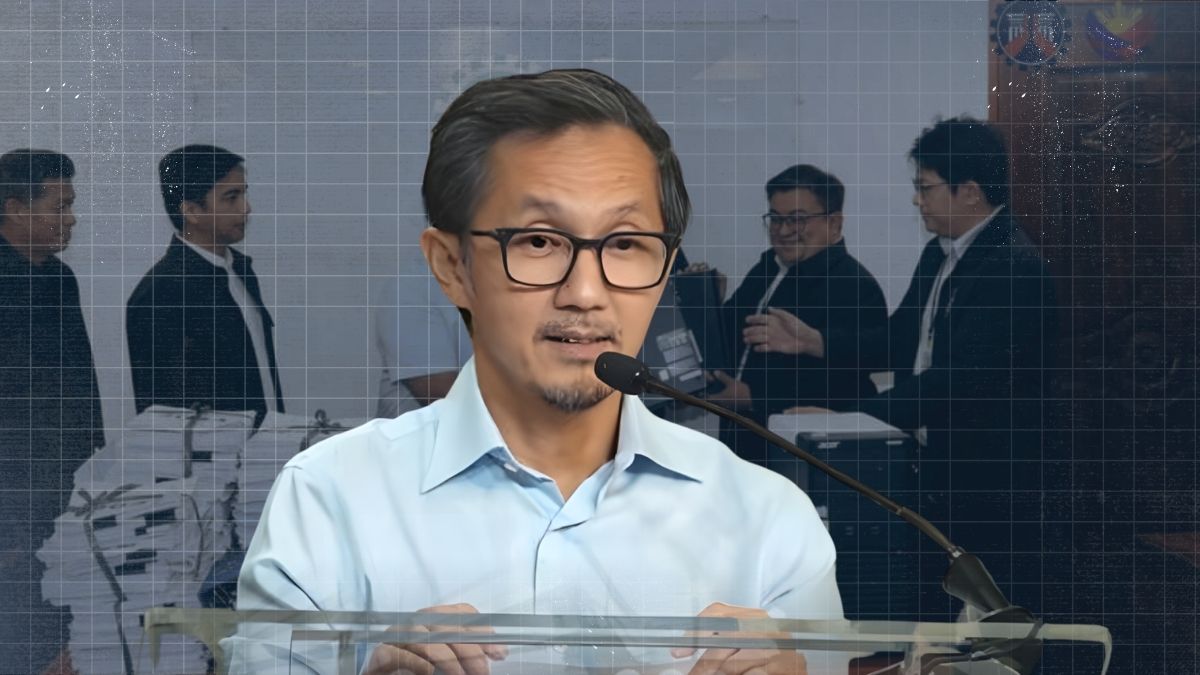
According to DPWH officials, the materials turned over include computers, external storage devices, and files covering nearly a decade of Cabral’s tenure at the agency. The submission was made in compliance with a subpoena issued by the Ombudsman as part of its ongoing fact-finding and potential case buildup.
Digital trail now under review
DPWH said the turnover was intended to ensure transparency and cooperation with investigative bodies. The Ombudsman is expected to subject the devices to forensic examination to determine whether the records contain evidence relevant to alleged anomalous projects tied to flood control funding.
Authorities earlier noted that digital records—emails, project documents, and procurement files—could help establish timelines, decision-making patterns, and possible links between officials and contractors.
The submission follows earlier disclosures that Cabral had been involved in the planning and oversight of multiple flood control projects now under scrutiny for being “ghost” or substandard.
Ombudsman probe widens
Investigators have clarified that Cabral’s death does not automatically terminate civil or administrative accountability, particularly in cases involving unexplained wealth or asset recovery. The Ombudsman, together with other agencies, is looking into whether forfeiture proceedings may be pursued should evidence warrant it.
Officials stressed that the probe is not limited to one individual and may extend to project proponents, approving authorities, and private contractors who may have benefited from questionable projects.
Transparency vs accountability
The turnover of files has reignited public debate over accountability in large-scale infrastructure spending. While DPWH leadership has pledged cooperation, critics argue that document submission is only the first step—and that meaningful accountability will depend on whether findings lead to concrete legal action.
For many Filipinos, the case has become a test of whether anti-corruption institutions can follow the evidence wherever it leads, regardless of rank or political connection.
As the Ombudsman’s review proceeds, the spotlight remains on what the files will reveal—and whether the long-standing concerns surrounding flood control spending will finally result in answers, not just headlines.