“Kung Alam Ninyo ang Pabrika ng Pekeng Pera… Bakit Hindi Nahuli?”
Guanzon Questions NBI Over ‘Budol Money’ Admission
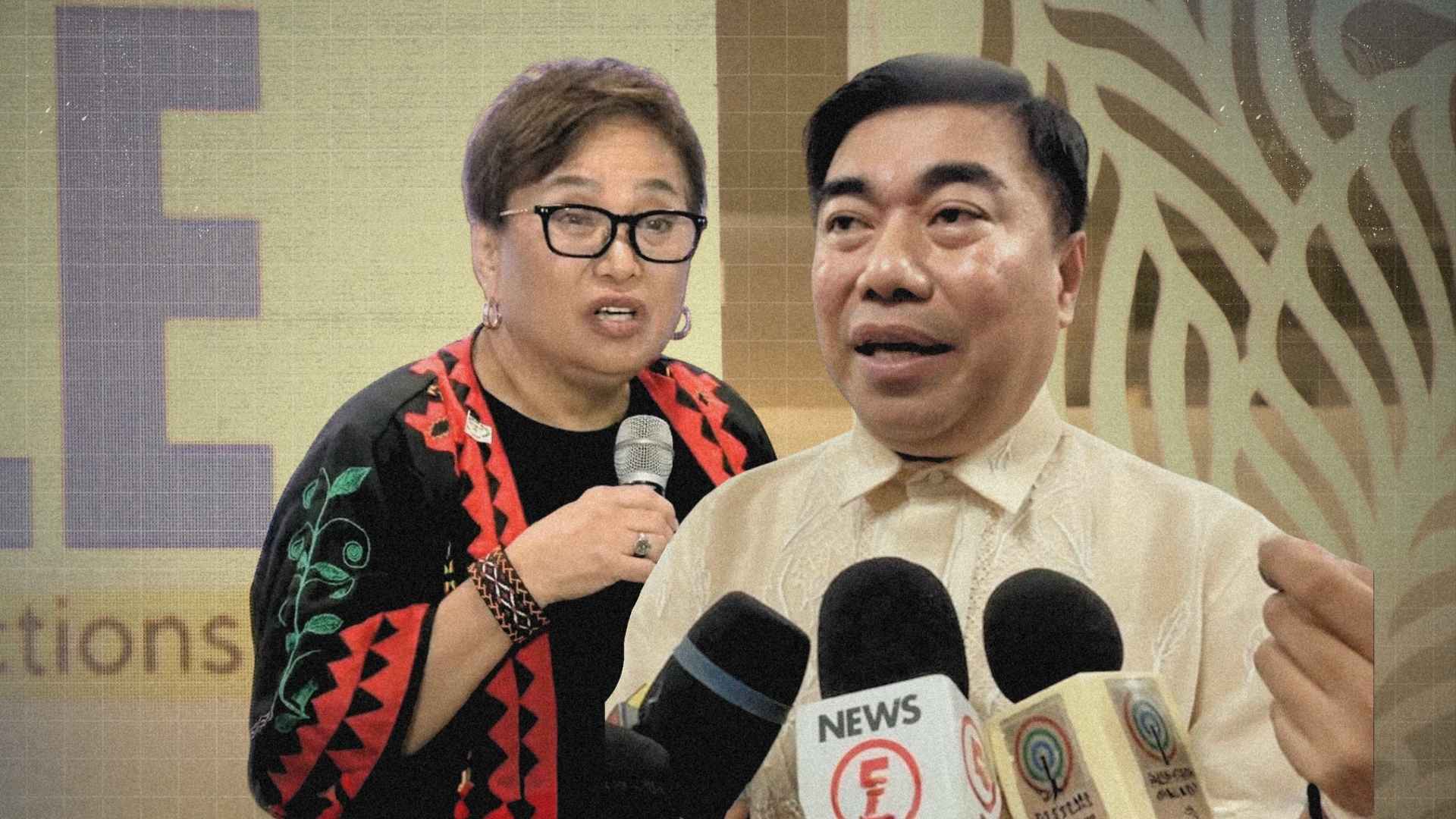
Habang patuloy na umiinit ang usapin sa pag-aresto kay Franco Mabanta ng Peanut Gallery Media Network, mas lalong nabuhay ang online debate matapos ang matapang na tanong ni dating Comelec at COA Commissioner Rowena Guanzon laban sa National Bureau of Investigation o NBI.
Sa gitna ng kontrobersiya, naging sentro ng diskusyon ang umano’y paggamit ng “budol money” o dummy bills sa isinagawang entrapment operation laban kay Mabanta at ilang kasama niya. Ngunit para sa marami online, hindi lang ang operasyon ang pinag-uusapan—kundi pati ang mismong pinanggalingan ng fake money na inamin mismo ng awtoridad.
Ayon kay NBI Director Melvin Matibag, ipinagawa umano sa Recto ang dummy bills na ginamit bilang marked money sa operasyon. Ito ang agad na pinatutsadahan ni Guanzon sa social media:
“Alam niyo pala ang pagawaan ng pekeng pera sa Recto bat di niyo hinuli?”
Simple lang ang tanong pero malakas ang tama nito sa publiko. Dahil kung totoo ngang kilala na ng mga awtoridad ang pinagmumulan ng pekeng pera, bakit tila walang mas malaking operasyon laban dito?
Mas lalong naging sensitibo ang usapin dahil may kaugnayan umano ito sa flood control controversy na matagal nang pinagdedebatehan online. Ayon sa ulat, naaresto si Mabanta kaugnay ng umano’y tangkang pangingikil ng ₱350 milyon kapalit ng hindi pagpapalabas ng video na nag-uugnay kay dating House Speaker Martin Romualdez sa kontrobersiya ng flood control projects.
Pero sa social media, maraming netizens ang tila hindi lang sa kaso nakatingin. Mas malaki ang tanong para sa kanila: pantay ba talaga ang pagtingin ng hustisya?
Muli ring binalikan online ang isa pang pahayag ni Guanzon kung saan kinuwestiyon niya kung sino-sino na nga ba talaga ang nahuhuli ng NBI.
“Yung mga smuggler ba? Yung nangongotong diyan sa immigration, yung mga buwaya sa customs? Yung sangkot kaya sa flood control?”
Dito na pumasok ang mas malalim na usapan. Para sa ilang observers, hindi lang ito simpleng legal issue. Isa raw itong public perception battle.
Kapag mas visible ang paghabol sa media personalities o critics habang tila mabagal ang galaw sa malalaking corruption allegations, natural na magkakaroon ng duda ang publiko. Hindi dahil awtomatikong inosente ang isang panig, kundi dahil gusto ng taumbayan na makitang pare-pareho ang standards ng batas.
Here’s what this really means…
Hindi sapat ngayon ang simpleng “may operasyon kami.” Sa panahon ng social media, bawat detalye ay sinusuri. Kapag may inconsistency o tila may kulang sa paliwanag, doon nagsisimula ang viral backlash.
At ito ang delikadong bahagi sa anumang administrasyon o ahensya: once mawalan ng tiwala ang publiko, kahit legitimate operation ay pwedeng kuwestiyunin.
Why this matters…
Ang issue ngayon ay hindi lang tungkol kay Franco Mabanta. Hindi rin lang ito tungkol sa “budol money.” Ang mas malaking usapin ay credibility ng institutions.
Kapag ang ordinaryong Pilipino ay nakikitang may mabilis na aksyon sa ilang kaso pero tila mabagal sa malalaking sindikato, corruption, smuggling, o mga anomalyang matagal nang laman ng balita—doon lumalakas ang perception gap.
At sa politika, perception can become reality.
Samantala, iginiit naman ni Matibag na hindi gagalaw ang NBI nang walang malinaw na ebidensya at dumaan umano sa tamang proseso ang operasyon.
Pero gaya ng nakikita online, mukhang hindi pa rito natatapos ang usapan.
Dahil habang may mga nagtatanong kung legal ba ang operasyon…
May iba namang nagtatanong:
“Kung alam niyo kung saan ginagawa ang pekeng pera… bakit parang mas malaking balita pa ang nanghiram kaysa ang mismong gumagawa?”
At sa social media, isang tanong lang minsan… sapat na para magliyab ang buong diskusyon.
Exegesis Bible Verse
“For there is nothing covered, that shall not be revealed; neither hid, that shall not be known.” — Luke 12:2
Reflection
Sa bawat kontrobersiya, may mga bagay na kalaunan ay lumalabas din sa liwanag. Ang transparency at accountability ay hindi lamang prinsipyo ng pamahalaan kundi moral responsibility rin sa harap ng taumbayan at ng Diyos. Ang tunay na hustisya ay hindi namimili ng hahabulin.
Guanzon’s Question Hits the Nerve: ‘Saan kukunin ang pera para ibalik ang ₱60B PhilHealth funds?
December 10, 2025•5 min read
Atty. Rowena Guanzon did not mince words when she asked the question every Filipino has been thinking but afraid to say out loud:
“Where will BBM and Sec. Recto get funds to return to PhilHealth?
From government coffers.
Doble saksak sa taxpayers.
Dapat personal liability nila ’yon dahil illegal.”

Her point is razor-sharp:
If the Supreme Court already ruled the transfer illegal,
then why should taxpayers pay for another mistake they didn’t commit?
🔵 The heart of the issue: DOUBLE BURDEN on the people
The ₱60 billion PhilHealth transfer wasn’t just a technical error —
it was declared against the law.
Meaning:
✔ It shouldn’t have happened.
✔ It shouldn’t have been touched.
✔ It shouldn’t have been used elsewhere.
So now the government must return the money…
but out of whose pocket?
Under BBM’s plan?
Sa bulsa ng taumbayan.
This is the “double sipa, double saksak” Guanzon is talking about.
🔵 Guanzon’s challenge is simple: Accountability, not taxpayers
If the move was illegal,
then those who approved, processed, or allowed it
should be held personally liable — financially and administratively.
Hindi dapat ang ordinaryong Pilipino ang magbabayad
para sa pagkakamaling hindi nila ginawa.
🔵 This is why people are angry
Instead of accountability,
the administration’s response is:
“Kunin muli sa kaban ng bayan.”
This is the same pattern seen in:
✔ ₱16B flood control issues
✔ ₱107B PDIC fund transfer
✔ Unfinished government projects
✔ Billions frozen due to anomalous deals
Lahat ito may iisang ending:
Taxpayers end up cleaning the mess.
🔵 The View
Under Duterte,
leaders were reminded:
“Bago mo galawin ang pera ng bayan, siguraduhin mong kaya mong panindigan.”
Today?
Maluwag ang galawan.
PR-driven ang depensa.
At kapag pumalpak, taxpayers ang pambayad.
🔵 Guanzon’s voice resonates because she said what others fear to ask
Her tone is blunt.
Her words are direct.
But her point is crystal clear:
Kung illegal, dapat may managot.
Hindi dapat taumbayan ang magbabalik ng bilyon-bilyon.
📖 Bible Reflection — Proverbs 17:26
“It is not good to punish the innocent, nor to flog officials for their integrity.”
The taxpayers are the innocent.
The officials responsible must answer.
Recto Says It’s Time for a “Cleaner Government” — But the Public Isn’t Convinced
Executive Secretary Ralph Recto recently declared that the Philippines now has the opportunity to build a “mas mabuti, mas malinis, at mas epektibong pamahalaan.”
A beautiful line — almost poetic.
But in a nation drowning in corruption scandals, the public reacted not with applause…
but with a collective raised eyebrow.

When Words Are Clean but the System Is Not
Recto’s statement comes at a time when the country is in the middle of the biggest anti-corruption protests since 1986.
Billions allegedly lost in flood control projects.
Ghost contractors.
Kickbacks.
Passport cancellations.
Threats of arrest for protesters.
Flip-flopping statements from the Palace.
And now — a sudden call for a “cleaner” government?
It’s a good message…
but the people have one simple reply:
“Sana all.”
Where Was This Energy Before?
Kung matagal nang may pagkakataon para gumawa ng malinis na gobyerno, bakit ngayon lang lumalabas ang mga deklarasyong ganito?
Bakit parang salita lang, walang tunay na aksyon?
At bakit sa gitna ng pagsabog ng mga kontrobersiya, saka lang nabanggit ang pangarap ng “malinis na pamahalaan”?
The irony isn’t lost on the Filipino people — a government facing scandal now claiming it's time to clean up.
Accountability Requires Courage, Not Catchphrases
Building a clean government is not about speeches on stage.
It’s about facing the truth…
even if the truth exposes your allies.
It’s about transparency…
even if transparency makes the administration uncomfortable.
It’s about justice…
even if justice reaches high places.
Kung hindi kayang harapin ang big fish, paano ang maliit?
The People Are Watching
Ralph Recto’s words could have been powerful.
Pero sa panahon ngayon, pagod na ang tao sa salita.
Gusto nila ng galaw.
Gusto nila ng hustisya.
Gusto nila ng tapang — ’yung totoo, hindi scripted.
And so the public replies:
“Kung gusto niyo talagang linisin ang gobyerno, unahin niyo ’yung nasa loob mismo ng Palasyo.”
📖 Isaiah 1:17
“Learn to do right; seek justice. Defend the oppressed.”
True reform begins with courage — the courage to confront sin, even if it exists in your own camp.
THE CONVERSATION CONTINUES
This moment is a test:
Will the government finally confront corruption head-on?
Or is this just another line meant to pacify a nation demanding the truth?
The people have awakened.
The youth have marched.
The streets have spoken.
And whether the powerful like it or not,
History is already taking notes.
SLOW GDP, WAKE-UP CALL: Corruption and Delays Drag Economy to Weakest Growth Since 2021
MANILA, Philippines (Politikanta Minute) —
The Philippines’ economy expanded by only 4% in the third quarter, the slowest since the 3.8% contraction in early 2021.

According to PCCI President Enunina Mangio, this is a “wake-up call” for government to address corruption and inefficiencies across sectors.
Micro and small enterprises continue to struggle, manufacturers face rising costs, and agriculture remains underfunded.
FPI Chair Elizabeth Lee noted that typhoons, rising prices, and the ongoing flood control corruption scandal have all shaken investor confidence.
Government spending slowed down as projects were reviewed for irregularities — delaying both relief and recovery.
Finance Secretary Ralph Recto, however, insisted that the slowdown is temporary, part of a “major government cleanup” before a 2026 rebound.
Recto added that funds will now focus on “education, healthcare, and digitalization” instead of questionable capital projects.
While business groups welcomed the anti-corruption stance, many Filipinos remain skeptical, saying:
“How can we talk about growth when the same people keep getting richer — even during a slowdown?”