Lame Duck’ or Line Crosser? When Budget Politics Tests Presidential Power
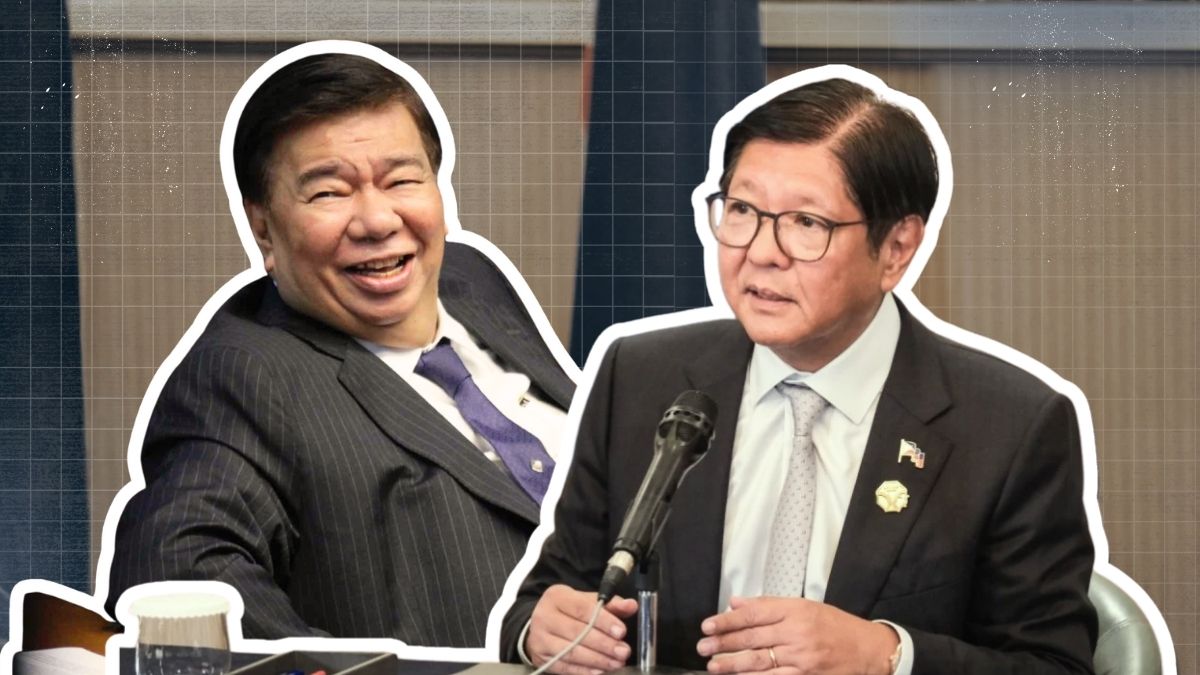
Former Senate President Franklin Drilon has stirred debate after saying President Ferdinand “Bongbong” Marcos Jr.’s recent intervention in the DPWH budget dispute may signal that the President is realizing he is now a “lame duck.”

The remark, amplified by former election commissioner Rowena Guanzon, followed Marcos’ reported support for restoring ₱45 billion cut from the DPWH budget—an unusual move that Drilon says risks worsening the deadlock between the Senate and the House of Representatives.
The Eagle does not dismiss the concern.
But it does question the framing.
📖 “A house divided against itself cannot stand.” — Mark 3:25
Presidents are not forbidden from expressing policy preferences. But Philippine budget tradition rests on a delicate balance: the executive proposes, Congress disposes. When a President is seen as backing one chamber over another mid-deliberation, it shifts the power dynamic—and emboldens factions.
That is the real issue—not the label “lame duck.”
Calling a sitting President a lame duck is politically convenient, but constitutionally incomplete. Marcos still holds the powers of the presidency. What has weakened him is not the calendar—but fractured alliances and unresolved governance crises, especially around infrastructure spending and corruption.
Drilon’s sharper warning lies elsewhere:
Presidential intervention, done clumsily, does not break deadlocks—it hardens positions.
And when the budget process turns into a tug-of-war backed by executive signals, accountability suffers. Public scrutiny fades. Negotiation becomes theater. And reform gets postponed.
The Agila’s view is clear:
This moment should be used to clean the budget, not to prove who commands whom.
A President does not become weak by respecting process.
He becomes weak when process collapses around him.