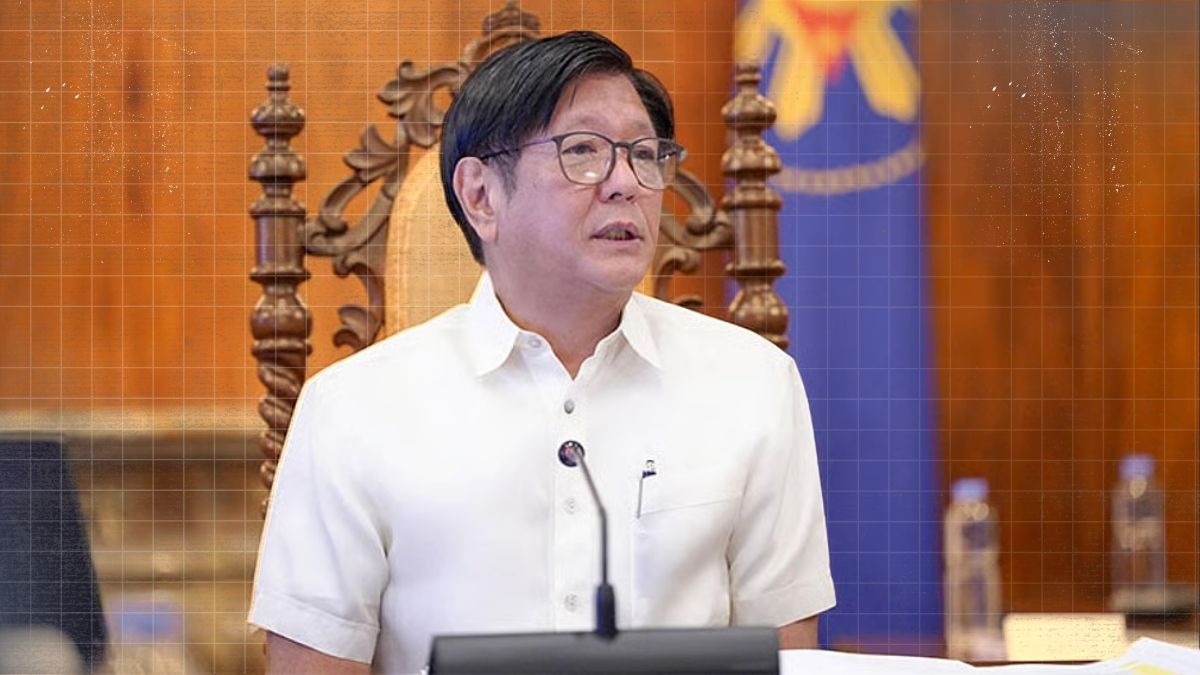
Palace Denies Claims President Marcos Has Colon Cancer
Malacañang has firmly denied circulating claims that President Ferdinand Marcos Jr. is suffering from colon cancer, calling the reports baseless and without foundation.
The statement was issued after rumors spread online alleging that the president had a serious medical condition. The Palace clarified that no such diagnosis exists and urged the public to be cautious about unverified health claims.
Health rumors surrounding political leaders are not new. In many countries, speculation about a head of state’s medical condition often intensifies during periods of political tension. However, without official confirmation from credible medical sources or authorized statements, such claims remain speculative.
Malacañang emphasized that the president continues to perform his duties, attend engagements, and carry out official functions. Public schedules and appearances remain part of the administration’s transparency framework, allowing citizens to observe leadership continuity.
The spread of health-related misinformation can have wider implications beyond politics. It can:
Undermine public confidence
Create unnecessary panic
Distract from policy discussions
Fuel partisan narratives
In democratic societies, questions about a leader’s health are legitimate when grounded in transparency and official disclosure. However, allegations without evidence risk shifting public discourse from governance to rumor cycles.
The Palace’s denial aims to draw a clear line between verified information and online speculation.
At the same time, this episode highlights a broader issue: the rapid amplification of claims through social media platforms. A single unverified post can reach thousands — even millions — within hours.
For the public, the key principle remains simple:
Verify before sharing.
Medical diagnoses are sensitive and personal matters. When tied to a sitting president, they also carry national significance. That is why credible confirmation must come from official channels, not viral posts.
As of now, Malacañang’s position is clear — the claims are false.
The conversation now shifts back to governance, policy, and public accountability — areas where facts, not rumors, should guide national debate.