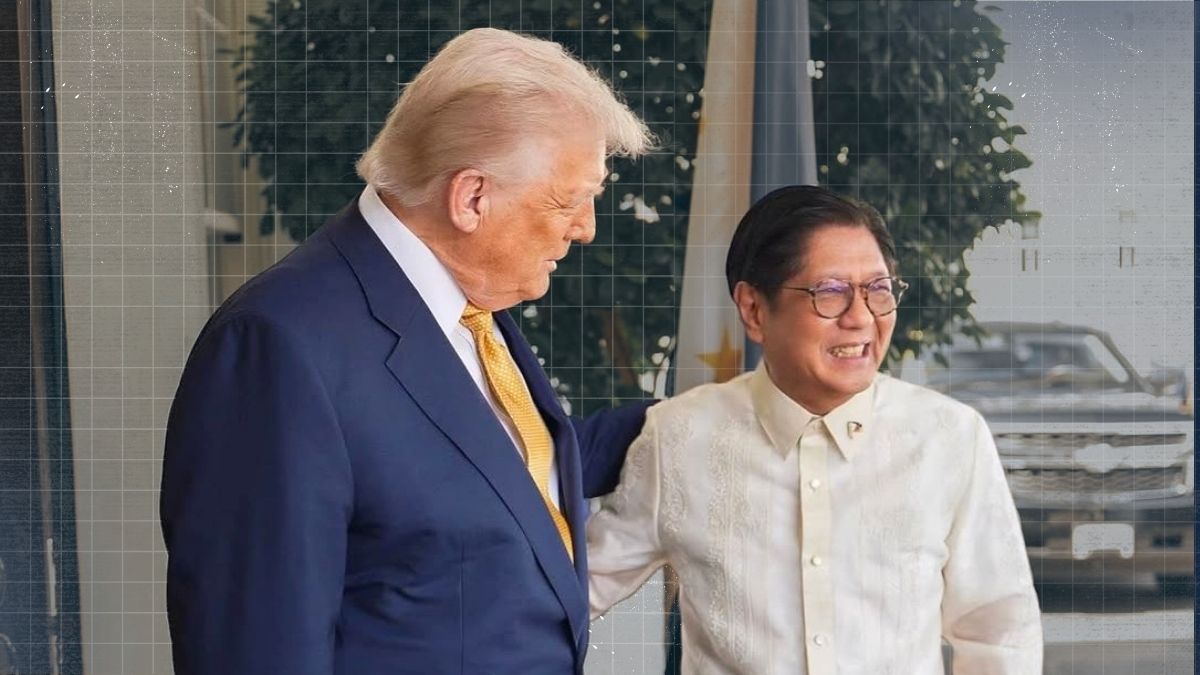
Trump Invites Philippines to Join US-Led ‘Board of Peace’ Amid Budget Pressures
Former U.S. President Donald Trump has invited the Philippines to join a proposed U.S.-led “Board of Peace”, an initiative framed as a platform for global stability and conflict prevention—at a time when the Philippines is grappling with significant financial constraints.
The invitation places the administration of Ferdinand Marcos Jr. at a diplomatic crossroads: balancing international engagement with domestic economic realities.
According to reports, the proposed Board of Peace would involve select nations participating in dialogue and coordination on global security and peace-building efforts. While details remain limited, the initiative is being positioned as part of a broader U.S. strategy to reinforce alliances and influence amid growing geopolitical tensions.
For the Philippines, however, the timing raises practical concerns.
The country is currently facing mounting fiscal pressure, with rising national debt, budget deficits, and increasing debt-servicing costs. Joining a new international body—particularly one that could involve financial commitments, diplomatic resources, or defense-related coordination—invites scrutiny over cost versus benefit.
Supporters of participation argue that joining such a body could strengthen the Philippines’ strategic partnership with the United States, elevate its diplomatic standing, and provide a platform to assert national interests on the global stage. In an increasingly polarized world, proximity to major powers can translate into political leverage and security assurances.
Critics, however, warn against symbolic participation without clear returns. They stress that diplomacy should not come at the expense of urgent domestic needs such as inflation control, social services, and economic recovery.
The Palace has yet to announce a final decision, but the invitation underscores a recurring dilemma in Philippine foreign policy: how to stay relevant internationally without overextending limited resources.
As global powers recalibrate alliances, the Philippines must weigh whether joining high-profile initiatives enhances national interest—or merely adds diplomatic obligations during a period of fiscal strain.