
What is Winter Blues and How to Handle it in Cold Seasons
Winter Blues: How to Handle Seasonal Depression in the Winter
Winter can feel like a slog—shorter days, colder temps, and a nagging sense of gloom. For millions of Americans, this isn’t just a passing mood but Seasonal Affective Disorder (SAD), a real form of depression that hits with the seasons. Studies estimate it affects 3–6% of U.S. adults, with another 10–20% facing milder symptoms.
If you’re in a northern city like New York, where daylight dwindles, you might feel it more. Women over 40 are especially prone, but anyone can be impacted. The good news? SAD is highly treatable. This guide breaks down what’s happening, why it happens, and practical, evidence-based ways to reclaim your energy and joy all winter long.
What Is Seasonal Depression?
Seasonal Affective Disorder is a type of depression that follows a seasonal pattern, typically kicking in during fall, peaking in winter, and easing up by spring. It’s not just feeling “down” on a gray day—it’s a diagnosable condition with symptoms that can disrupt your life. Mental health pros use tools like the Seasonal Pattern Assessment Questionnaire or structured interviews to confirm it. While winter-pattern SAD is the most common, a rare summer version exists too. Reduced daylight messes with your body’s internal clock, throwing off serotonin and melatonin, the chemicals that regulate mood and sleep. Low vitamin D in winter can also play a role. It’s a mix of biology and environment, not a personal failing, and understanding this is the first step to tackling it.
How Seasonal Depression Hits
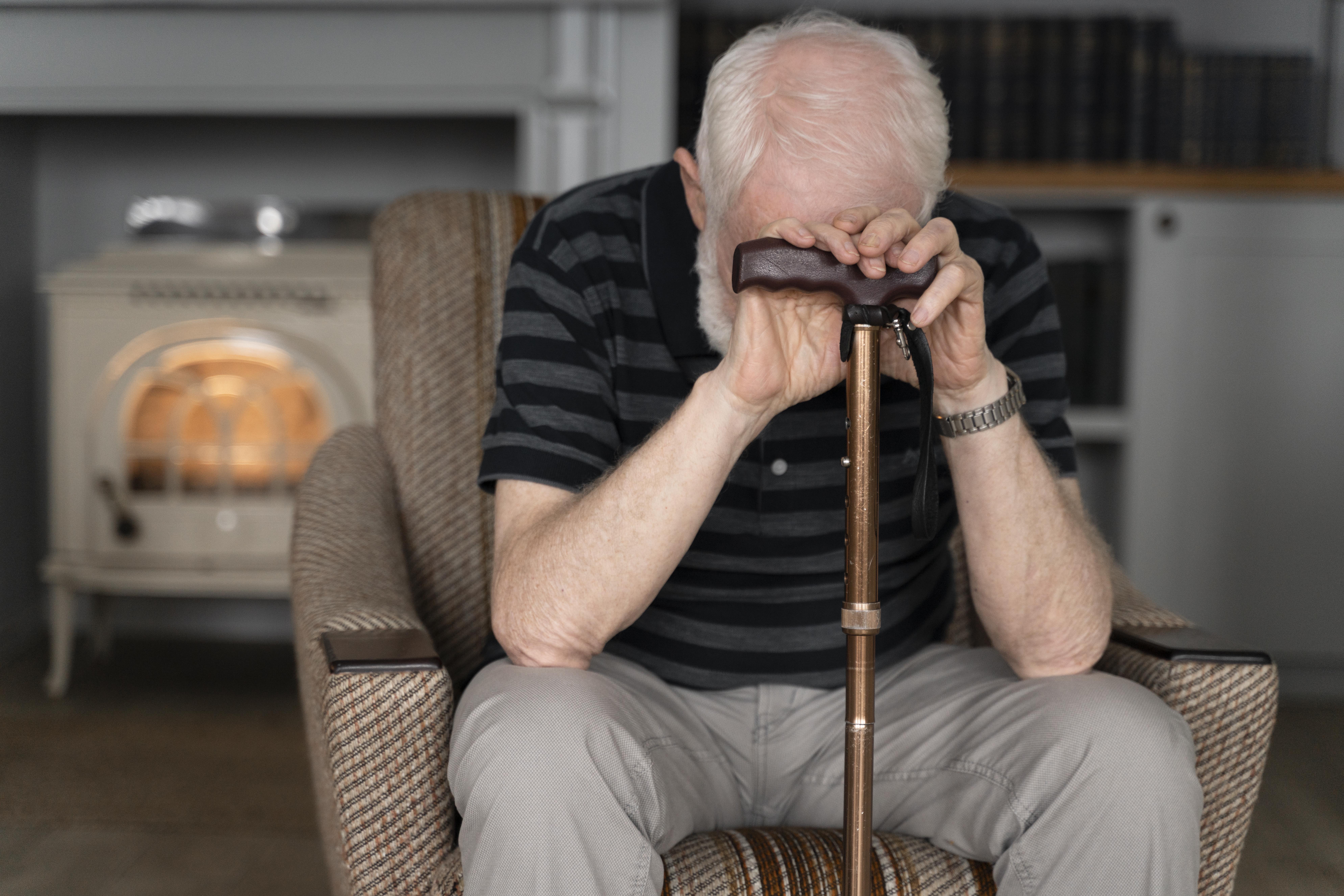
SAD brings a heavy mix of low mood, loss of interest in things you usually love, crushing fatigue, and a tendency to oversleep. You might crave carbs, gain weight, or struggle to focus. These aren’t just annoyances—they’re measurable shifts in brain chemistry that can make daily life feel like wading through mud. If you notice your energy tanking at the same time each year, it’s a sign to act.
Left unchecked, SAD can sap your productivity at work, strain relationships, and even weaken your immune system, as less outdoor time and poor sleep take a toll. Students might see grades slip, and social withdrawal can deepen isolation, creating a cycle that’s hard to break. Recognizing these effects is key to turning things around.
Proven Ways to Fight Back
Here’s how to tackle seasonal depression with strategies backed by science.
1. Light Therapy: Your Daily Dose of Sunshine
Light therapy is a go-to for SAD. Using a 10,000-lux light box for 20–30 minutes each morning mimics natural daylight, resetting your body’s clock and boosting serotonin. Most people experience a noticeable improvement within a week if they stick with it. Side effects, such as mild eye strain, are rare and manageable compared to medications. You can find clinically tested light boxes at health stores or online—perfect for cozy Upper West Side apartments. Consistency is everything, so make it part of your morning routine.
2. Cognitive Behavioral Therapy: Rewire Your Mind
Cognitive Behavioral Therapy tailored for SAD (CBT-SAD) is a game-changer, especially for lasting results. A 2016 study showed it matches light therapy for immediate relief but cuts relapse rates the following winter (27% vs. 46%). It works by tackling negative thoughts—like dreading winter or wanting to hibernate—and replacing them with practical coping skills. Whether you’re anticipating low energy or avoiding social plans, CBT-SAD helps you build resilience that carries through seasons.
3. Medication and Supplements: A Targeted Boost
Antidepressants like SSRIs (think sertraline or fluoxetine) can help manage SAD, especially if started before symptoms peak. Vitamin D supplements may be beneficial if you’re deficient, but consult your doctor first, as the evidence is mixed. If you have bipolar disorder, work closely with a pro to avoid mood swings triggered by meds or light therapy. Combining medication with light therapy and counseling often yields the best results for severe cases.
Choosing the Right Approach
Light therapy and CBT-SAD both deliver quick relief, often within weeks, but they shine in different ways. Light therapy offers fast mood boosts, while CBT-SAD builds long-term resilience against future winters. Your choice depends on your schedule, budget, and preferences. Many find a combo works best—starting light therapy for immediate relief while diving into CBT-SAD for lasting skills. A mental health professional can craft a plan tailored to your needs and history.

Lifestyle Tweaks to Stay Strong
Simple changes can make a big difference in managing SAD. Open your blinds first thing in the morning or take a lunchtime walk to soak up natural daylight, even on cloudy days.
Exercise for just 20 minutes daily—whether it’s a brisk walk or a home workout—helps boost serotonin levels and improve sleep. Stick to a regular sleep schedule to keep your body’s rhythm steady.
Stay connected by planning meetups or joining community activities to combat isolation. Nutrition matters too—focus on omega-3s, colorful vegetables, and sufficient protein to maintain stable energy levels..
Book a consultation
Final Words
Seasonal depression is real, but it doesn’t have to define your winter. With tools like light therapy, CBT-SAD, and smart lifestyle adjustments, you can boost your mood and energy in just weeks. Planning each fall can lighten the load. You don’t have to grit your teeth and bear it—help is out there, from professionals to supportive friends. By understanding your triggers and taking action, you can transform winter into a season of strength and growth, regardless of your location.
At OsteoStrong UW, our team will conduct bone density tests to evaluate your bone quality and provide targeted programs and nutritional guidance to help improve your bone health. As always, consult your doctor to determine the best practices for your individual needs.
📞 Contact us at +1 914-690-7190
🌐 Visit us at https://osteonewyork.com/
📧 Email us at [email protected]