
How to Keep Bones Strong and Healthy in the Winter
Winter Bone Health: How to Avoid Bone Density Issues During Cold Weather
Ever noticed an increase in joint pains or stiffness when the weather is freezing? Well, you're not overthinking it. In colder months, bone & joint fractures do get more common, especially in urban hubs like New York.
Seasonal changes are a serious cause of concern for your bones. In the winter, the freezing temperatures can mean less activity and very little exposure to the sun, triggering Vitamin D depletion, which isn't great news for bone health.
But winter doesn't have to mean weaker bones. From smart movement habits to better nutrition, there are science-backed steps you can take right in your neighborhood. In this article, you’ll discover practical strategies tailored to your lifestyle to help combat seasonal bone loss and stay resilient throughout the winter.
How Winter Affects Bone Health
There are several effects of the winter cold on our bone health. Here are some ways winter changes can trigger bone mass problems.
Vitamin D Deficiency
During the colder months, our bodies get far less UVB exposure, especially in dense urban areas like the Upper West Side. For example, tall buildings block sunlight, leaving even outdoor walkers under-shaded. Without sufficient sunlight, our bodies are unable to produce enough vitamin D, a powerful nutrient that helps us absorb calcium for stronger bones. Studies show vitamin D levels peak in September and bottom out in early spring.
Reduced Physical Activity
When sidewalks are icy and temperatures drop, people often stay indoors. During winter, people tend to move around and exercise less, doing fewer activities like walking, stair climbing, and sports that help keep bones strong. However, spending too much time indoors without getting enough physical activity can cause bones to lose stimulation and become weaker.
Hormonal Changes
As the weather gets colder, the body also undergoes subtle hormonal changes. During winter, parathyroid hormone levels rise, pulling calcium from the bones to keep blood levels stable. This happens because blood vessels constrict in cold weather, making it harder for blood to flow. When combined with low vitamin D, the risk of joint inflammation and fractures increases.
Top 5 Tips for Stronger Bones This Winter
Here are 5 tips to do in the winter to boost your bone health, fight osteoporosis, and stay healthier overall.
1. Eat the Right Nutrients
Build your plate with bone-building foods. Try some winter favorites like dried figs, canned salmon, almonds, and white beans. Additionally, incorporate foods rich in protein to support bone matrix formation. For a balanced anti-inflammatory diet that supports bone health, include anti-inflammatory options, such as berries or leafy greens.
2. Master Indoor Weight-Bearing Exercises
You don't need a gym to keep your bones strong. You can do bone-strengthening exercises right in your apartment, including stair climbing, jumping jacks, or even dancing in your living room. For extra challenge, try resistance training with free weights or bands. You can also do classic indoor weight-bearing exercises like squats or lunges, which work wonders.
3. Drink Enough Water
When the weather is cold, it's easy to forget to drink a glass of water or two. However, high humidity doesn't mean your body needs less water. Staying hydrated will help keep your joints lubricated and prevent stiffness.
4. Take Calcium Supplements
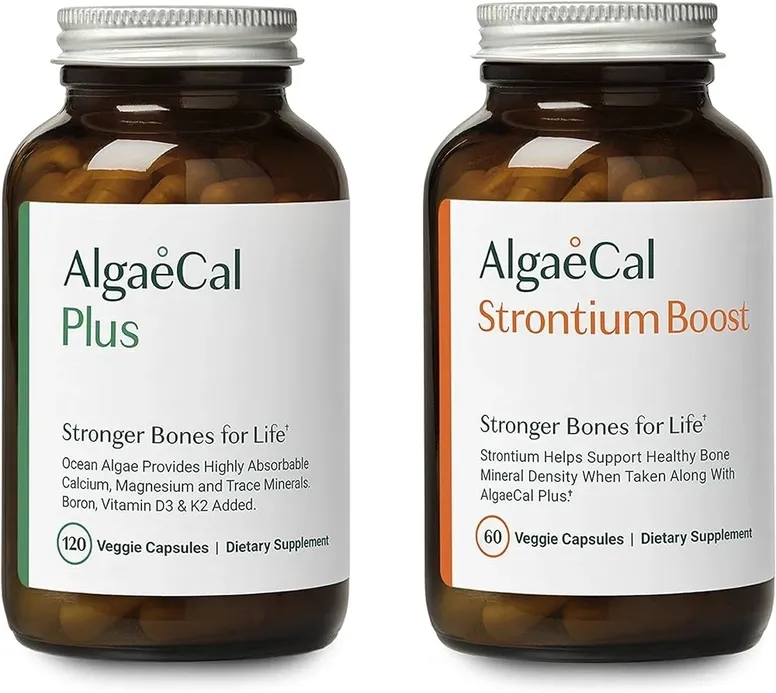
Aim for 1,000 mg daily (1,200 mg if you're a woman over 50). Pair calcium with vitamin K2 and magnesium to enhance calcium absorption in the winter months. Stock up on rich foods such as yogurt, tofu, leafy greens, and fortified alternatives. Don't just take supplements; combine them with healthy meals for better benefits.
5. Take Your Vitamins
Winter brings shorter daylight hours, leading to less sunlight and lower vitamin D levels. To address this deficiency, consider taking vitamin supplements. Research indicates that a winter dose of about 500 IU of vitamin D3 daily can significantly help prevent bone loss. Opt for D3 instead of D2 for better absorption. Incorporate foods like fortified plant milks, cereals, and fatty fish to improve your nutritional intake. If you don't get enough natural sunlight, consider using light therapy lamps.
Why You Need to Stay Active in the Winter
Your bones thrive on impact and resistance. Just like muscles, they adapt to stress and get stronger when challenged or weaker when neglected. For instance, weight-bearing and resistance signal your body to deposit new bone tissue, which helps prevent osteoporosis.
Winter movement also boosts metabolism, improves circulation, and enhances nutrient delivery to bones. Add balance training in NYC gyms or studios to improve stability, reduce fall risk, and support long-term bone health.
Build Healthy Bones Smarter in the Winter
Don't let bone density loss creep in as the winter rages. If you're in the Upper West Side, you can find tailored bone-building programs at OsteoStrong UW that will help you improve your bone health in the winter.

Schedule your consultation with our expert team to get started
Final Words
If you're worried about lower bone density in the winter, your best bet is to stay active. Bone mass loss and joint pain in the winter can occur when you don't get enough vitamin D, move too little, or eat a poor diet.
At OsteoStrong UW in Manhattan, we help elderly women and men improve their bone health, fight osteoporosis, and maintain wellness with our custom solutions and therapies.
Book a consultation
At OsteoStrong UW, our team will conduct bone density tests to evaluate your bone quality and provide targeted programs and nutritional guidance to help improve your bone health. As always, consult your doctor to determine the best practices for your individual needs.
📞 Contact us at +1 914-690-7190
🌐 Visit us at https://osteonewyork.com/
📧 Email us at [email protected]