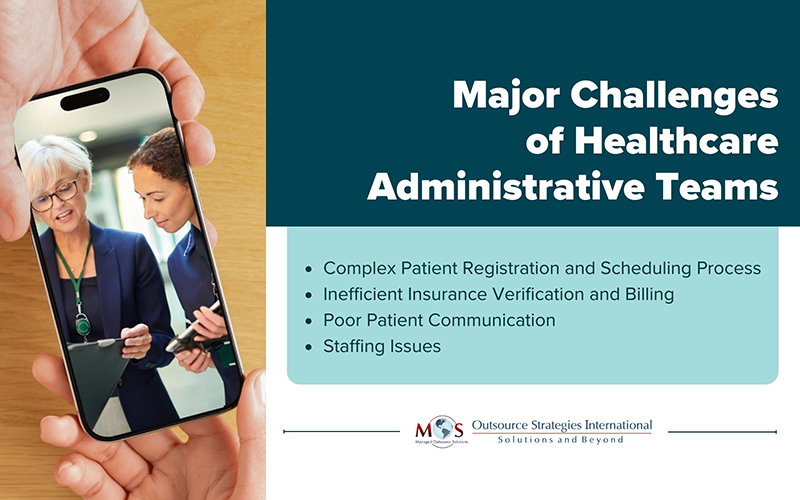
Addressing Front Desk Staffing Challenges in Healthcare: Solutions and Strategies for Success
Addressing Front Desk Staffing Challenges in Healthcare
Estimated reading time: 8-10 minutes
Key Takeaways
- Receptionist staffing is crucial for seamless healthcare operations and patient satisfaction
- Common issues at the front desk include high turnover and staffing shortages
- Burnout due to workload and lack of support is a leading cause of staffing problems
- Emerging technologies and proactive strategies can help address front desk staffing challenges
- Long-term solutions are required to sustain operational efficiency and care quality
Table of Contents
- Introduction
- The Critical Role of Receptionists and Front Desk Staff
- Common Receptionist Staffing Problems
- Causes of Front Desk Burnout
- Current Trends and Statistics in Healthcare Staffing Shortages
- Consequences of Inadequate Receptionist Staffing
- Case Studies: Front Desk Staffing Challenges
- Actionable Strategies to Address Staffing Shortages
- Long-term Solutions and Emerging Technologies
- Conclusion
- Call to Action
- Additional Resources
Introduction
Front desk staffing challenges are a significant hurdle for many healthcare facilities today. These challenges refer to the difficulties that institutions face in employing and retaining qualified front desk staff, which are critical for seamless operations and optimal patient care. Proper receptionist staffing is essential, yet many healthcare providers struggle to find the right personnel and keep them in their roles.
The Critical Role of Receptionists and Front Desk Staff
The role of front desk staff in healthcare environments is pivotal. These employees handle:
- Patient Registration: Collecting personal information, insurance data, and medical history.
- Scheduling Appointments: Coordinating times for patient visits and managing schedules for healthcare providers.
- First Point of Contact: Offering initial support and addressing patient inquiries.
Efficient receptionist staffing significantly impacts patient satisfaction. When front desk staff are well trained and adequately staffed, the operational workflow runs smoothly, leading to shorter wait times and increased patient contentment. This directly influences the overall success of healthcare facilities, ultimately enhancing patient care quality.
Common Receptionist Staffing Problems
Healthcare facilities often must contend with various staffing challenges, particularly at the front desk. Some common issues include:
- High Turnover Rates: Many healthcare providers face difficulties in retaining qualified staff. Research shows that
many healthcare providers are currently facing staff shortages in their front desk registration areas.
[Source] - Structural Staffing Issues: According to experts,
healthcare staffing shortages in 2026 are structural, not temporary.
[Source]
These challenges highlight the pressing need for solutions to receptionist staffing in healthcare environments. Without addressing these staffing issues, healthcare providers may struggle to maintain efficiency and quality patient care.
Causes of Front Desk Burnout
Another significant challenge in front desk staffing is burnout among personnel. Common causes of burnout include:
- High Workload: Increased patient volumes can lead to overwhelming demands on staff.
- Lack of Support: Insufficient resources and assistance exacerbate stress levels.
- Emotional Strain: Front desk personnel often face challenging interactions with patients, which can contribute to exhaustion.
Burnout not only affects the well-being of front desk staff but also drives higher turnover rates, directly impacting the efficiency of healthcare operations. Addressing front desk burnout is crucial for fostering a supportive work environment and retaining qualified employees.
Current Trends and Statistics in Healthcare Staffing Shortages
Statistics indicate a continued trend of staffing shortages in the healthcare industry. Recent findings reveal:
- Vacancy Costs: The increasing costs associated with vacancies have been highlighted in studies, emphasizing the urgency of the situation.
- Time-to-Fill Benchmarks: The timeframe to fill front desk positions is extending, creating operational inefficiencies.
As outlined,
The Top 5 Healthcare Challenges in 2026 include Workforce Shortages and Burnout.[Source]
This data underscores the critical nature of focusing on healthcare staffing issues proactively to ensure proper front desk support.
Consequences of Inadequate Receptionist Staffing
Not addressing front desk staffing shortages can result in severe consequences. The repercussions include:
- Patient Experience Impact: Patients face longer wait times and decreased satisfaction due to inadequate staffing.
- Operational Efficiency Decline: With fewer staff members, remaining employees are burdened with additional workloads, leading to burnout and further turnover.
Neglecting healthcare staffing issues can ultimately jeopardize the quality of care provided to patients and strain the morale of existing staff.
Case Studies: Front Desk Staffing Challenges
- Case Study 1: A major healthcare provider struggled with high turnover rates among front desk staff. They implemented flexible scheduling and improved training, leading to a 30% reduction in turnover within six months.
- Case Study 2: A small clinic faced severe patient wait times due to understaffing at the front desk. By streamlining their hiring processes and offering better support systems, they saw increased patient satisfaction and enhanced operational flow.
Through these examples, we can observe how proactive strategies can effectively address receptionist staffing challenges and improve overall functionality.
Actionable Strategies to Address Staffing Shortages
Implementing effective solutions is essential for tackling front desk staffing shortages. Consider the following strategies:
- Effective Recruitment Tactics: Use targeted recruitment ads to attract qualified candidates.
- Improved Training Programs: Offer comprehensive training that prepares new hires for their roles and fosters a supportive culture.
- Flexible Scheduling Options: Allow staff to choose shifts that work for them, increasing job satisfaction.
- Staff Support Initiatives: Provide mental health resources and peer support groups to alleviate stress and prevent burnout.
For additional tips, consider downloading our guide: Download this guide for 10 tips on recruiting and hiring employees, addressing staff burnout...
These strategies aim to minimize front desk staffing challenges and enhance the overall effectiveness of healthcare operations.
Long-term Solutions and Emerging Technologies
Looking towards the future, technological advancements present promising opportunities for reducing front desk staffing challenges. Examples of notable innovations include:
- AI Support: Artificial Intelligence can streamline appointment scheduling, freeing up staff to handle more complex patient needs. This aligns with insights from our post on AI Receptionist for Healthcare Offices: Enhancing Efficiency and Patient Experience at the Front Desk.
- Automated Systems: The use of automated check-in processes can reduce the workload on front desk staff, improving efficiency.
As one report notes,
As 2026 comes into focus, the staffing industry stands at a crossroads of disruption...[Source]
Embracing these technologies can help alleviate healthcare staffing issues and cultivate a more efficient work environment.
Conclusion
In summary, addressing front desk staffing challenges is crucial for healthcare organizations. Implementing proactive measures can enhance receptionist staffing levels, reduce burnout, and improve overall patient care. It is imperative for healthcare professionals to consider the actionable tips shared throughout this post.
Call to Action
We invite healthcare professionals and administrators to share their experiences with front desk staffing challenges. What solutions have you implemented? Your insights could help inspire proactive measures in our healthcare community!
Additional Resources
- If you're interested in enhancing your front desk operations, check out our article on How AI Automation Transforms Small Businesses to learn how AI can be integrated into customer service processes.
- For more about the role of communication in healthcare, refer to our post on Improving Patient Communication with AI in Healthcare: Enhancing Trust and Satisfaction Through Technology.
These references can provide valuable insights and support ongoing efforts to improve front desk staffing and operations in healthcare.
FAQ
- What are the biggest challenges in healthcare receptionist staffing?
The most significant challenges include high staff turnover, difficulty finding qualified candidates, and burnout due to high workloads and limited support. - How can healthcare facilities reduce front desk staff turnover?
By offering competitive compensation, providing robust training, and creating a supportive environment that prioritizes work-life balance, healthcare facilities can help reduce turnover. - What are some effective ways to address front desk burnout?
Implementing flexible scheduling, offering mental health resources, and providing opportunities for peer support can reduce burnout among front desk staff. - Are there technological solutions to support front desk operations?
Yes, tools like automated check-in kiosks and AI-powered virtual assistants can streamline administrative tasks and reduce the workload for reception staff. - Where can I learn more about emerging staffing solutions?
Explore resources and articles linked throughout this post for expert insights into the latest healthcare staffing strategies and technology trends.
