Essential Steps for Frozen Burst Pipe Cleanup and Restoration
Essential Steps for Frozen Burst Pipe Cleanup and Restoration
When winter temperatures plummet, homeowners face the silent but devastating threat of frozen pipes. This physical phenomenon occurs because water expands by approximately nine percent when it turns into ice, creating internal pressure that even the strongest copper or PEX piping cannot withstand. Once the material reaches its breaking point, a rupture occurs. The true disaster, however, often remains hidden until the ice begins to thaw. As the solid blockage melts, pressurized water rushes out of the fracture, quickly flooding basements, crawling spaces, and living areas. Immediate action is the only way to mitigate the catastrophic water damage that follows.
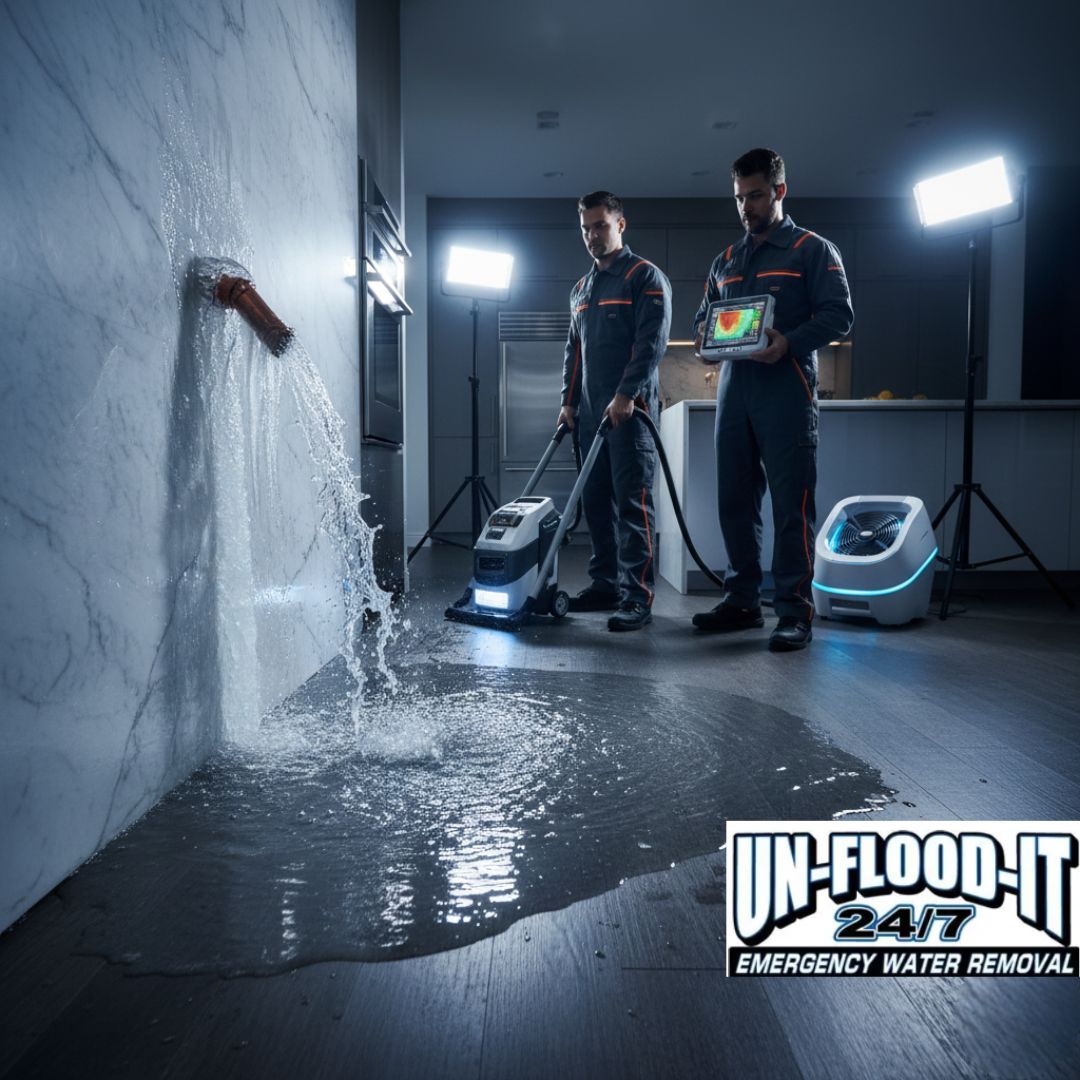
The first and most critical response to a burst pipe is locating and closing the main water shut-off valve. Every second the water remains active, gallons of liquid are absorbed into your flooring, drywall, and insulation. After the flow has stopped, you must address the electrical hazards. If water has reached outlets or electrical panels, shut off the power to those zones to prevent accidental electrocution. Once the area is safe, the arduous process of water extraction begins. Using a wet-dry vacuum can help remove standing water, but it rarely reaches the moisture trapped deep within the building’s structural components.
Effective restoration requires more than just surface-level drying. Water follows the path of least resistance, often traveling behind baseboards and under subflooring where it cannot be seen. If these areas are not dried with industrial-grade air movers and dehumidifiers, mold spores can begin to colonize within twenty-four to forty-eight hours. Mold not only compromises the air quality of your home but can also lead to long-term respiratory issues for your family. Professional cleanup crews use moisture meters and infrared cameras to detect these hidden pockets of dampness, ensuring that the home is truly dry before any repair work begins.
Sanitization is another often-overlooked step in the cleanup process. Water from a burst pipe is generally considered clean, but once it mixes with dust, dirt, or building materials, it can quickly degrade. Specialized antimicrobial treatments are necessary to disinfect surfaces and prevent odors from taking root. Throughout this process, documenting the damage is vital for insurance purposes. Take clear photographs of the burst pipe, the flooded areas, and any damaged personal belongings. Detailed records will streamline your claims process and help ensure you receive the coverage necessary to restore your property.
For a comprehensive approach to handling this crisis, it is best to rely on experts who understand the nuances of structural drying. You can find detailed professional guidance and emergency support at https://unfloodit.com/frozen-burst-pipe-cleanup to help navigate the restoration journey. Taking shortcuts during the drying phase often leads to expensive repairs down the road, such as sagging ceilings or rotted floor joists. By following a rigorous cleanup protocol, you protect both the value of your home and the health of its occupants.
Would you like me to write a specific section on how to prevent pipes from freezing in the future?
