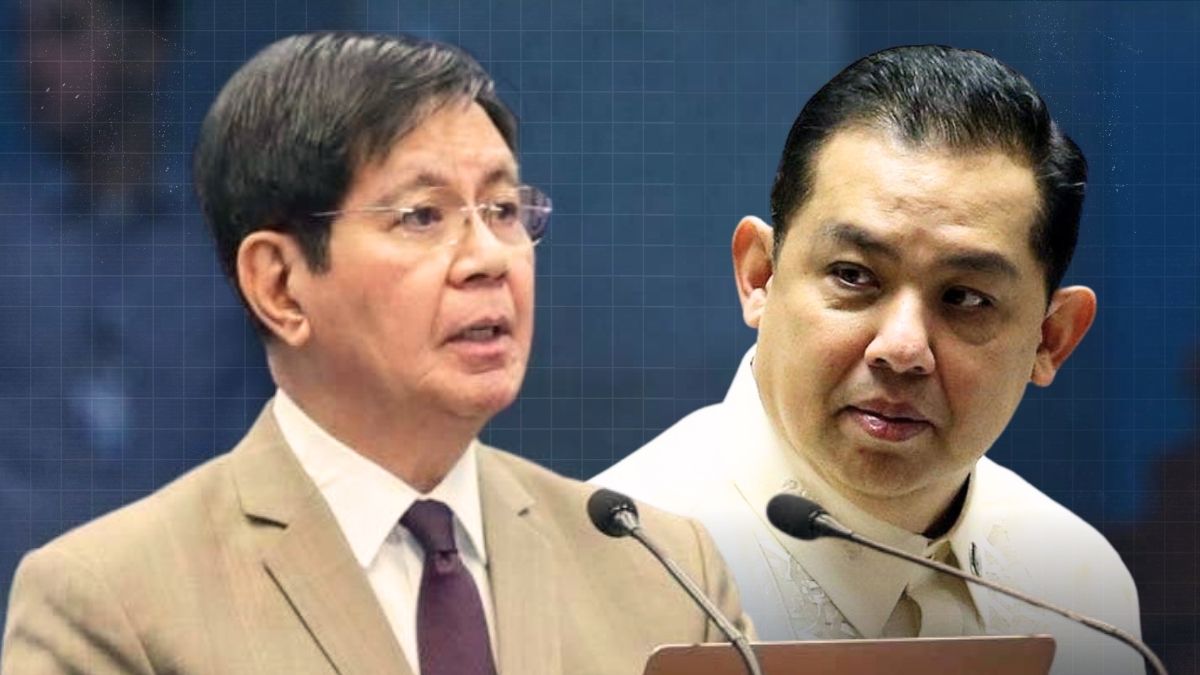
🚨 Political Watch | Draft Blue Ribbon Report Tags Martin Romualdez in Flood Control Mess — Lacson
Draft Findings, Not Final Verdicts: What the Blue Ribbon Report Signals
Senate President Pro Tempore Ping Lacson disclosed that a draft report of the Senate Blue Ribbon Committee mentions House Speaker Martin Romualdez in relation to the ongoing investigation into alleged irregularities in flood control projects.
Lacson was careful with his language—and that matters. The report, he emphasized, is still a draft. It has not been adopted, finalized, or approved by the committee. In legislative investigations, drafts are working documents: they compile testimonies, documents, and preliminary findings, but do not carry the force of conclusions.
What Does “Tagged” Mean in a Draft Report?
In committee practice, being “tagged” or mentioned can mean several things:
appearing in testimony or documentary references,
being linked contextually to decisions or allocations under review, or
being identified as someone whose role warrants further clarification.
It does not equate to a finding of guilt. Drafts are revised, portions are struck out, and language is often softened—or strengthened—before adoption.
Lacson’s disclosure, therefore, is about process transparency, not a final accusation.
Context: The Flood Control Investigation
The Blue Ribbon Committee has been examining alleged anomalies in flood control projects—ranging from questionable allocations to so-called “ghost projects.” These inquiries intensified after documents and testimonies suggested discrepancies between approved budgets and on-the-ground implementation.
Flood control spending is politically sensitive because it directly affects public safety. When funds fail to translate into protection against floods, the issue moves from technical oversight to public trust.
Why the Speaker’s Name Draws Attention
Romualdez is one of the most powerful figures in government. Any mention of the House Speaker—draft or otherwise—inevitably amplifies scrutiny. It also raises institutional questions about inter-chamber dynamics, since a Senate committee is investigating matters that intersect with House-approved appropriations.
That dynamic underscores why Lacson stressed restraint: draft findings must be handled with care to avoid prejudging outcomes or politicizing the process.
Due Process Inside the Senate
Before any report becomes official, several steps must occur:
Circulation of the draft to committee members
Review, edits, and objections
Possible withdrawal or modification of signatures
Committee vote to adopt
Only then does a report become an official Senate document. Until that point, everything remains provisional.
Recent developments—including senators withdrawing signatures from earlier drafts—show how fluid this stage can be.
Public Reaction vs. Parliamentary Reality
Public reaction tends to jump ahead of procedure. Names trigger narratives; drafts feel final. Parliament, however, moves differently. Lacson’s decision to disclose the existence of the draft reference arguably cuts both ways:
It informs the public about the scope of the inquiry.
It also risks misinterpretation if “draft” is ignored.
The responsibility, then, falls on both officials and the public to distinguish investigation from indictment.
What Happens Next
The committee may:
revise or remove portions of the draft,
seek further clarification from witnesses, or
delay adoption pending additional evidence.
For Romualdez, the development does not change legal status. For the Senate, it raises the stakes on accuracy, fairness, and restraint.
Quiet takeaway: In investigations, drafts reveal direction—but only final reports define conclusions.
Politikanta Minute jab (clean):
Draft pa lang, pero ramdam na ang bigat.
Bible verse anchor:
Proverbs 18:13 — “To answer before listening—that is folly and shame.”
