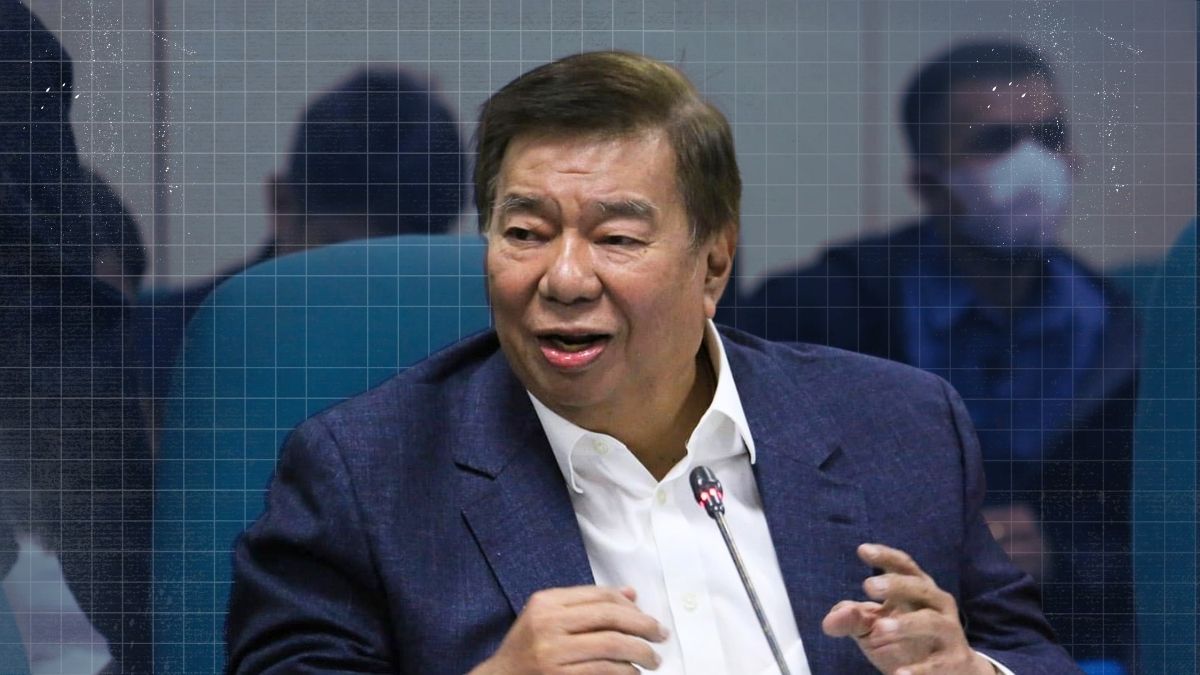
🚨 Political Watch | Drilon: Impeachment vs VP Duterte Is Political—Not Just Judicial
Process or Power? Drilon Says Impeachment Is Inherently Political
Former Senate president Franklin Drilon weighed in on the renewed talk of impeachment against Vice President Sara Duterte, saying the move is political in nature, not purely judicial.
Drilon’s point cuts to the heart of impeachment debates: while impeachment uses legal language and procedures, it is ultimately a political remedy—initiated by elected officials and decided by votes, not judges alone.
Why Drilon’s Framing Matters
Impeachment is often discussed as if it were a court trial. Drilon reminds the public that it isn’t. Unlike criminal cases:
evidence thresholds differ,
motivations include policy and confidence,
outcomes hinge on political judgment.
This distinction matters because it explains why impeachment discussions surge alongside power struggles, leadership shifts, and electoral timing. In short, context drives impeachment as much as conduct.
Judicial Elements—But Political Control
Drilon acknowledged the judicial features—rules of evidence, oaths, trial procedures—but stressed that the decision to impeach and convict is controlled by political actors. Senators sit as judges, yet remain accountable to constituencies and coalitions.
That dual role creates tension: due process on one hand, political accountability on the other. Drilon’s assessment is a reminder that impeachment is a constitutional safety valve, not a criminal shortcut.
Why VP Duterte Is at the Center
Any impeachment talk involving a sitting vice president carries outsized implications:
succession questions,
institutional stability,
national polarization.
Supporters argue that impeachment should be grounded in clear violations; critics warn that weaponizing impeachment risks destabilizing governance. Drilon’s comment doesn’t endorse impeachment—it contextualizes it.
A Reality Check for the Public
Public discourse often asks, “Is there enough evidence?” Drilon reframes the question: “Is there political will?” In impeachment, evidence may be necessary, but it is never sufficient without votes.
That reality explains why many impeachment efforts stall—despite noise, documents, or hearings. The bar is not just legal plausibility; it is political consensus.
What This Means Going Forward
Drilon’s remarks suggest several takeaways:
Expect impeachment talk to ebb and flow with political tides.
Courts will not decide impeachment outcomes—legislators will.
Stability depends on restraint as much as procedure.
For VP Duterte, the comment underscores a key defense: politics, not proof alone, drives impeachment momentum. For institutions, it’s a caution against conflating judicial certainty with political action.
Quiet takeaway: Impeachment speaks the language of law—but answers to the language of power.
Politikanta Minute jab (clean):
Kung korte ang hanap, bakit boto ang bilang?
Bible verse anchor:
Proverbs 20:3 — “It is to one’s honor to avoid strife, but every fool is quick to quarrel.”
