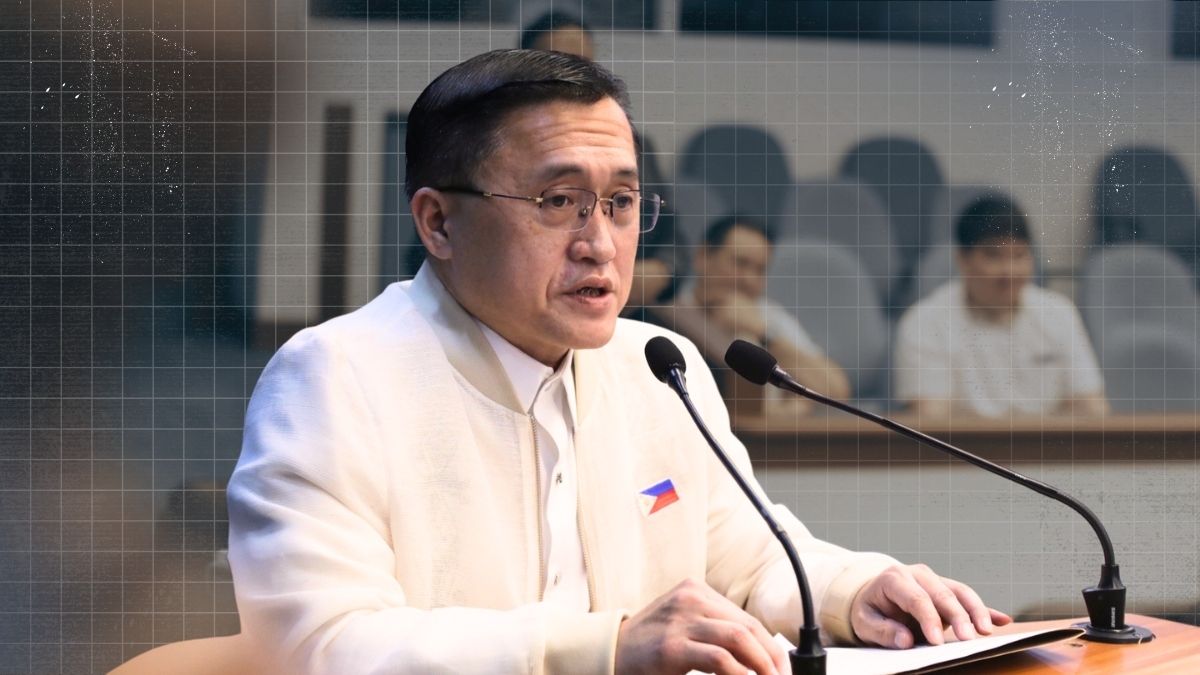
🏥 Political Watch | Go Reaffirms Support for Health Workers
Beyond Applause: Why Health Workers Remain at the Center of Policy Talk
As the healthcare system continues to recover from years of strain, Bong Go has once again reaffirmed his support for Filipino health workers, underscoring their role as the backbone of public health and national resilience.
In recent statements, Go emphasized that doctors, nurses, midwives, barangay health workers, and hospital staff deserve not just praise—but sustained institutional support, particularly in compensation, protection, and access to resources.
While similar declarations are common in politics, the timing matters. The healthcare sector remains stretched thin by workforce migration, burnout, and uneven access to services—especially in far-flung provinces.
Health Workers After the Pandemic: Still on the Frontline
Although the emergency phase of the pandemic has passed, the aftershocks remain:
Chronic understaffing in public hospitals
Overseas migration of nurses and doctors
Delayed benefits and hazard pay disputes
Overworked barangay health workers
Go’s renewed message taps into a growing concern: the country risks losing its healthcare workforce faster than it can replace it.
From Rhetoric to Policy
Go has consistently framed health workers as a priority sector, often linking support to:
Improved hospital infrastructure
Expanded access to medical assistance
Faster processing of benefits
Support for local healthcare facilities
Supporters argue that such messaging reinforces continuity in health-related programs. Critics, however, point out that systemic reform—not statements—is the real test, particularly when budgets are debated.
Still, in a political climate crowded with leadership struggles, impeachment chatter, and institutional friction, the focus on health workers offers a rare moment of policy consensus.
Why This Messaging Resonates
Healthcare remains one of the few issues that cuts across political divides.
Whether in urban centers or rural barangays, Filipinos interact daily with:
Government hospitals
Public health clinics
Barangay health stations
By reaffirming support, Go aligns himself with a sector that commands high public trust and moral authority—health workers are seen not as political actors, but as public servants who stayed visible even when institutions faltered.
Barangay Health Workers: Often Mentioned, Rarely Protected
A key subtext of Go’s remarks is the role of barangay health workers (BHWs). Often unpaid or underpaid, BHWs serve as the first—and sometimes only—point of medical contact in remote areas.
Calls to improve their benefits have grown louder, especially as local governments struggle with funding limitations. Any reaffirmation of support inevitably raises expectations for:
Formalized compensation
Legal protection
Skills training
Without these, praise risks becoming performative.
The Political Calculation
In Philippine politics, health advocacy is never neutral.
Supporting health workers:
Signals empathy
Reinforces pro-poor positioning
Deflects from partisan conflict
But it also sets benchmarks. Once reaffirmed publicly, voters and workers alike will measure follow-through—especially during budget deliberations and committee hearings.
What Comes Next
The real question is not whether support is reaffirmed—but how it will be institutionalized.
Health workers are watching:
Budget allocations
Senate committee actions
Legislative timelines
Because for those on 24-hour duty shifts, words matter—but policy pays the bills.
