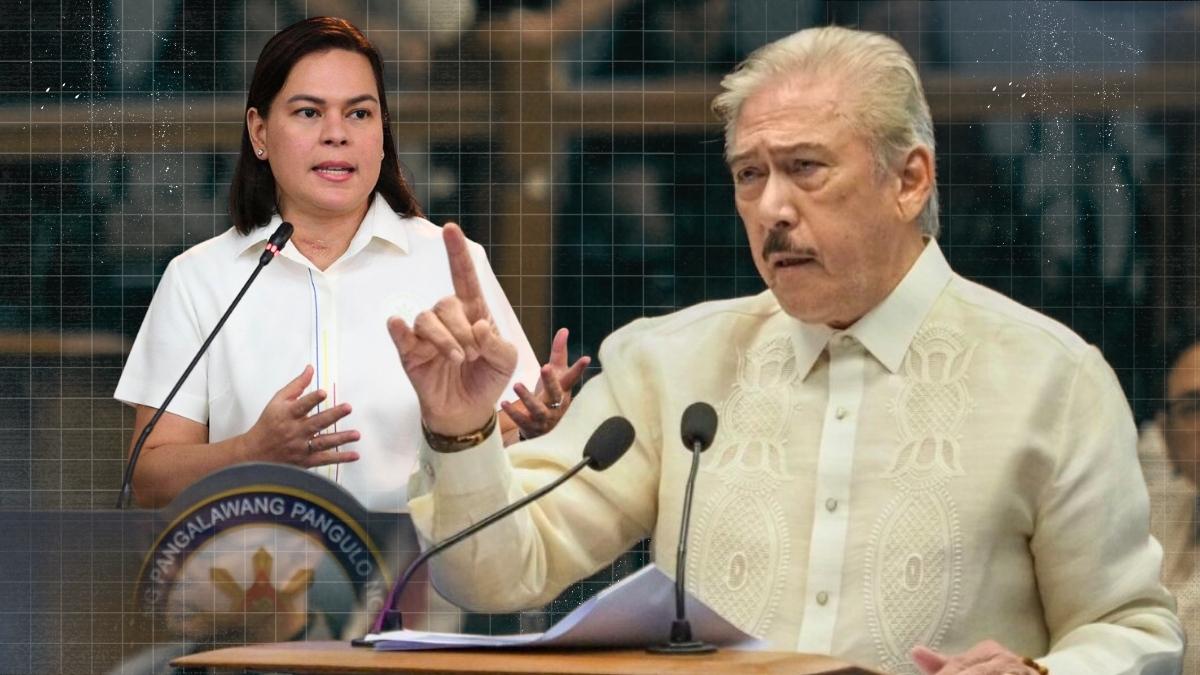
🚨 Political Watch | SP Sotto Briefed for Possible VP Sara Duterte Impeachment Trial
Preparing for a Trial That Hasn’t Begun—Why the Briefing Matters
Senate President Tito Sotto confirmed he has been briefed on procedures in the event that an impeachment case against Vice President Sara Duterte reaches the Senate for trial.
At first glance, the development appears routine. In practice, it’s consequential.
An impeachment trial transforms the Senate into a constitutional court, with the Senate President presiding. Preparation at this stage does not presume guilt, nor does it predict a trial will occur. It signals something narrower but important: institutional readiness.
What “Being Briefed” Actually Means
Briefings typically cover:
Constitutional rules governing impeachment
Senate trial procedures and timelines
Presiding officer responsibilities
Standards for motions, evidence, and voting
These sessions are procedural, not political. They are designed to ensure that, should articles of impeachment be transmitted, the Senate can proceed without delay and without improvisation.
Sotto emphasized that any action remains contingent on formal developments in the House of Representatives. Until articles are transmitted, there is no trial—only preparation.
Why the Senate Prepares Early
Impeachment is rare and disruptive. It requires:
Suspension of regular legislative work
Heightened public scrutiny
Strict adherence to due process
Early preparation helps prevent procedural missteps that could compromise the trial’s legitimacy. In prior impeachments, delays and disputes often stemmed from unclear rules or contested authority. Briefings aim to avoid repeating those problems.
Context: A Politically Charged Environment
This briefing comes amid:
Public discussion about impeachment timelines
Senate leadership stability questions
Legal debate following recent court rulings
Against that backdrop, preparation can be misread as positioning. Senate leaders, however, stress the distinction between process and politics.
Being briefed is not an endorsement of impeachment. It is a safeguard for the institution.
The Role of the Senate President
As presiding officer of an impeachment court, the Senate President:
Administers the oath to senators
Rules on procedural motions (subject to appeal)
Maintains order during trial
The role requires neutrality. Any perceived bias—before or during proceedings—can undermine public confidence. This is why advance clarity on rules matters as much as the trial itself.
What This Does—and Does Not—Signal
It does signal:
The Senate is preparing for contingencies
Leadership is prioritizing procedural clarity
The institution wants to avoid ad-hoc decisions
It does not signal:
A conclusion on the merits of any case
An imminent trial date
A shift in Senate leadership
Observers note that preparation is prudent regardless of outcome. If no articles arrive, the briefings remain unused. If they do, the Senate avoids scrambling.
Public Perception vs. Institutional Duty
Impeachment talk often inflames speculation. For the Senate, however, duty lies in being ready without prejudging.
That balance—readiness without rhetoric—is difficult in a polarized climate. Still, it is essential. The Senate’s credibility during any impeachment depends less on political alignment and more on procedural discipline.
What Comes Next
The next steps depend entirely on the House of Representatives. Until then:
No trial calendar exists
No rules of evidence are activated
No senators are sworn in as judges
For now, the briefing stands as a reminder that institutions must prepare for extraordinary processes—even when outcomes are uncertain.
Quiet takeaway: In impeachment, preparation is not a verdict—it’s a responsibility.
Bible verse anchor:
Proverbs 21:5 — “The plans of the diligent lead surely to abundance.”
