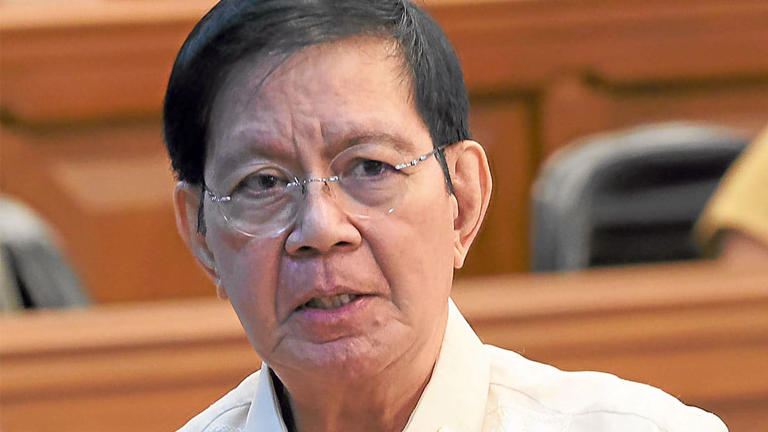
Retractions Won’t Stop the Cases, Says Ping Lacson
In a Senate climate where testimonies shift and statements get walked back, one message from the chamber cuts through the noise: retractions do not erase accountability. Senator Ping Lacson made this clear as the Senate prepares to resume hearings tied to alleged flood control irregularities—cases that, according to him, will proceed regardless of whether earlier witnesses soften or retract their claims.

Lacson emphasized a principle often lost in headline churn: investigations do not hinge on a single testimony. Senate inquiries weigh documents, transaction trails, budget line items, and corroborating evidence gathered over time. Even if a witness recants, the paper trail remains—and so does the obligation to examine it.
The hearings, expected to reconvene soon, center on long-running concerns about flood control projects—an area historically vulnerable to inflated costs, ghost projects, and questionable subcontracting. Lacson’s position signals continuity rather than pause: cooperation with investigators, restitution where appropriate, and accountability through the proper legal process.
Importantly, the senator underscored that Senate probes are not courts of law, but they play a crucial role in uncovering facts and recommending reforms. The aim, he said, is not spectacle, but clarity—ensuring public funds are protected and systems are tightened to prevent repeat abuses.
As attention returns to the chamber, the broader takeaway is sobering but steady. Retractions may change the tone of testimony, but they do not close the books. In the Senate’s view, facts are cumulative—and truth is built from records, not reversals.
Quiet takeaway: When public money is involved, accountability doesn’t reset with a retraction. It proceeds—methodically.
