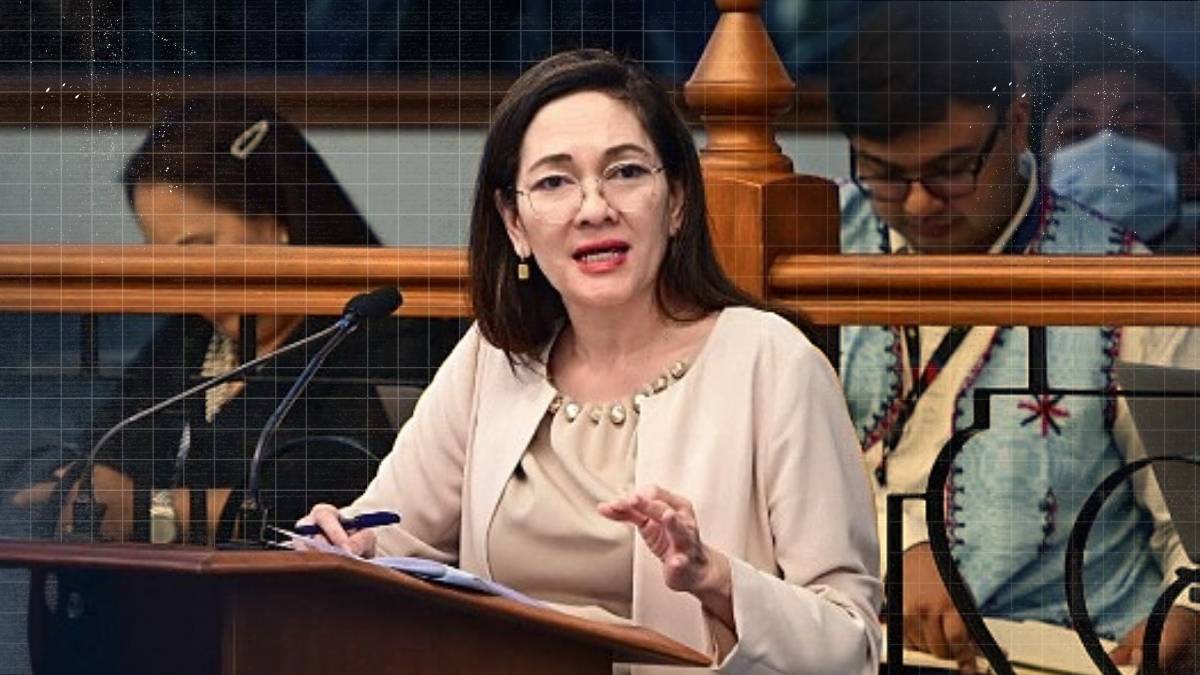
📌 Senate Watch | Hontiveros: No Senator Will Be Arrested While Senate Is in Session
Senator Risa Hontiveros has clarified that no senator will be arrested inside the Senate while it is in session, emphasizing constitutional protections granted to members of Congress during official proceedings.
Her statement comes amid heightened political tension and ongoing legal controversies involving several lawmakers. While she did not reference a specific individual, the remark appeared aimed at calming speculation about potential arrests within Senate premises.
The Constitutional Basis
Under Article VI, Section 11 of the Philippine Constitution, senators and members of the House of Representatives enjoy immunity from arrest while Congress is in session—except in cases punishable by more than six years imprisonment.
This immunity is not absolute. It protects legislative independence by ensuring that lawmakers can perform their duties without undue interference. However, it does not shield them from criminal prosecution.
In practice, enforcement authorities typically coordinate with Senate leadership before executing arrest warrants involving sitting senators.
What Hontiveros Clarified
Hontiveros’ statement underscores two key principles:
The Senate remains a functioning legislative institution.
Arrest actions, if any, will follow constitutional and procedural safeguards.
Her clarification aims to avoid scenes that could disrupt Senate sessions or create constitutional conflict between branches of government.
Institutional Stability
The Senate has recently faced:
Legal cases involving current and former officials
ICC-related developments
Allegations linked to public funds
Leadership maneuvering
In such an environment, rumors of arrests can quickly escalate into political crisis narratives.
Hontiveros’ remarks appear designed to reinforce procedural order rather than political positioning.
Immunity vs Accountability
A frequent misconception is that legislative immunity equates to exemption from prosecution. In reality:
Immunity protects against arrest during session (with exceptions).
It does not prevent filing of cases.
It does not prevent trial proceedings.
If charges are filed, senators may still face judicial processes—outside the constraints of active session protections.
Separation of Powers
The judiciary may issue warrants. The executive enforces them. The legislature operates independently.
To prevent institutional clashes, coordination between branches often occurs quietly.
Public statements clarifying procedure help preserve stability and reduce speculation.
Political Interpretation
In polarized environments, even procedural clarifications are interpreted politically.
Supporters may see Hontiveros’ statement as defense of institutional dignity.
Critics may question timing or motive.
But constitutionally, the principle she cited is longstanding.
Why This Matters
Public trust in governance depends on:
Clear constitutional boundaries
Orderly enforcement
Respect among branches
High-profile arrests inside legislative chambers could trigger constitutional confrontation.
Her statement suggests that, if legal actions arise, they will follow established protocol.
