New Sod Care Guide
First 30 Days After Sod Installation: Watering & Mowing Guide
You only get one chance to establish new sod the right way. Follow this week‑by‑week watering and mowing plan to help your lawn root deeply, stay lush, and thrive for years.
Covers exact run times, mowing heights, and daily checks for the first month.
Why the First 30 Days Matter
Fresh sod is mature grass sitting on a very shallow root system. Until those roots knit into your soil, your lawn depends entirely on what you do in the first month—especially watering and mowing.
Your goals during this period:
- Keep sod consistently moist (never bone‑dry or flooded)
- Encourage deep, healthy root growth
- Avoid stress from mowing too early or cutting too short
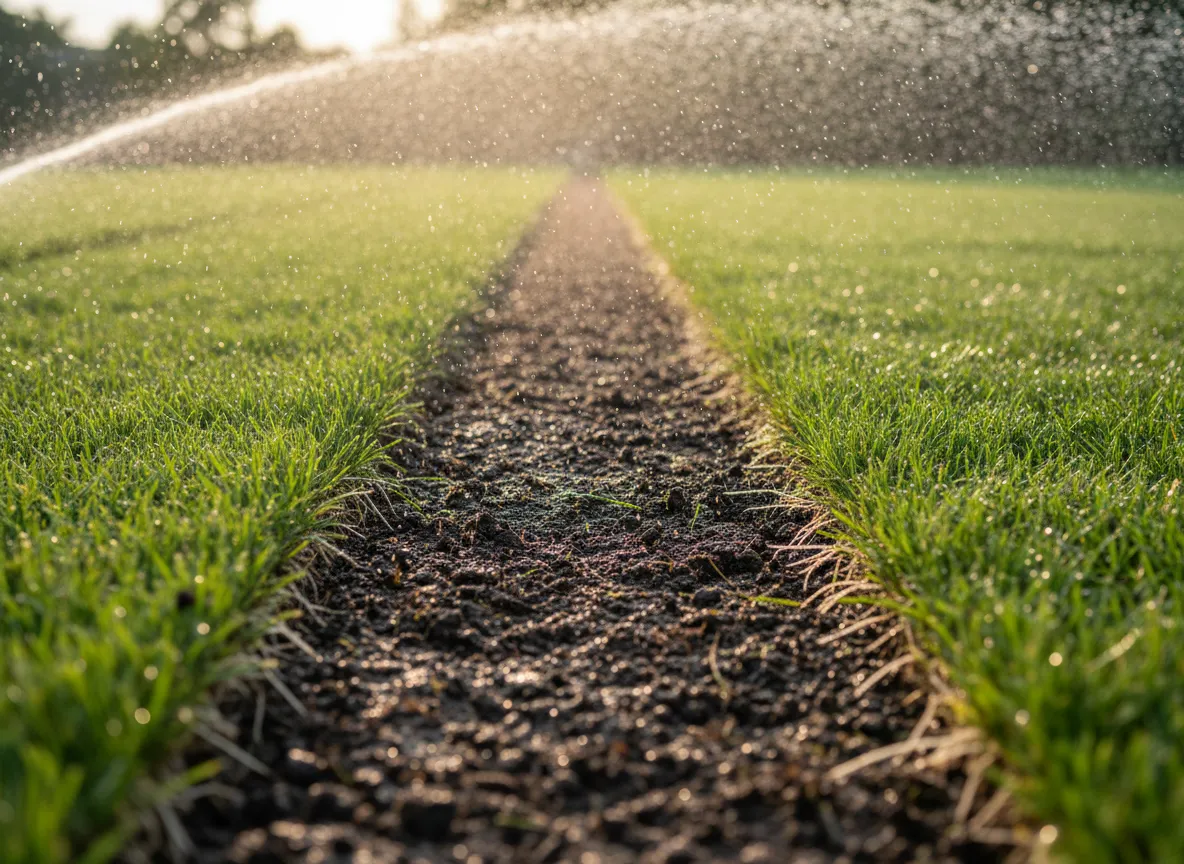
Think of this as the "training period" for your lawn. Consistent care now means a thicker, greener, and more drought‑tolerant yard later.
30‑Day Watering & Mowing Plan
Follow this week‑by‑week breakdown to keep your new sod hydrated, stress‑free, and rooting deeply into your soil.
Week 1 · Establishment (Days 1–7)
Watering: keep sod constantly moist. Water immediately after installation, then 2–4 times per day depending on heat and sun.
- Morning: heavy soak (20–30 minutes)
- Midday: light watering (10–15 minutes)
- Afternoon: light watering (10–15 minutes)
- Evening: quick mist only if sod starts drying
How it should feel: sod is damp to the touch, soil underneath is soft and moist, and seams/edges never dry out or shrink.
Mowing: do not mow in Week 1. Roots are too shallow and the sod can shift or tear.
Week 2 · Root Development (Days 8–14)
Watering: begin shifting from very frequent, shallow watering to deeper, less frequent sessions.
- Water 1–2 times per day
- Morning: deep watering (25–35 minutes)
- Optional light afternoon watering only during hot, dry weather
Check root progress: gently lift a corner of the sod. If it resists pulling up, roots are starting to anchor.
Mowing: first mow once the lawn is firmly rooted and about 3–4 inches tall. Only remove the top 1/3 of the blade and use a sharp mower blade. Avoid tight turns or heavy equipment.
Week 3 · Strengthening (Days 15–21)
Watering: focus on training roots to grow deeper into the soil.
- Water every other day
- Aim for 3–4 deep waterings per week
- Run each zone longer (30–40 minutes depending on soil type)
Mowing: mow as needed (usually once a week) while keeping proper height for your grass type and following the 1/3 rule.
- Bermuda: 1–2 inches
- Zoysia: 1.5–2.5 inches
- Fescue: 3–4 inches
Week 4 · Normal Routine (Days 22–30)
Watering: by now, your lawn should be mostly established and ready to transition to a standard schedule.
- Water 2–3 times per week
- Use deep, less frequent watering sessions
- Target 1–1.5 inches of water per week (including rainfall)
Signs of proper watering: vibrant green color, firm feel underfoot (not squishy), and no dry or soggy patches.
Mowing: treat mowing as part of your normal routine. Keep blades sharp and avoid cutting during extreme heat whenever possible.
What Proper Care Looks Like
Use these visuals as a quick reference for how your lawn and watering patterns should look across the first month.
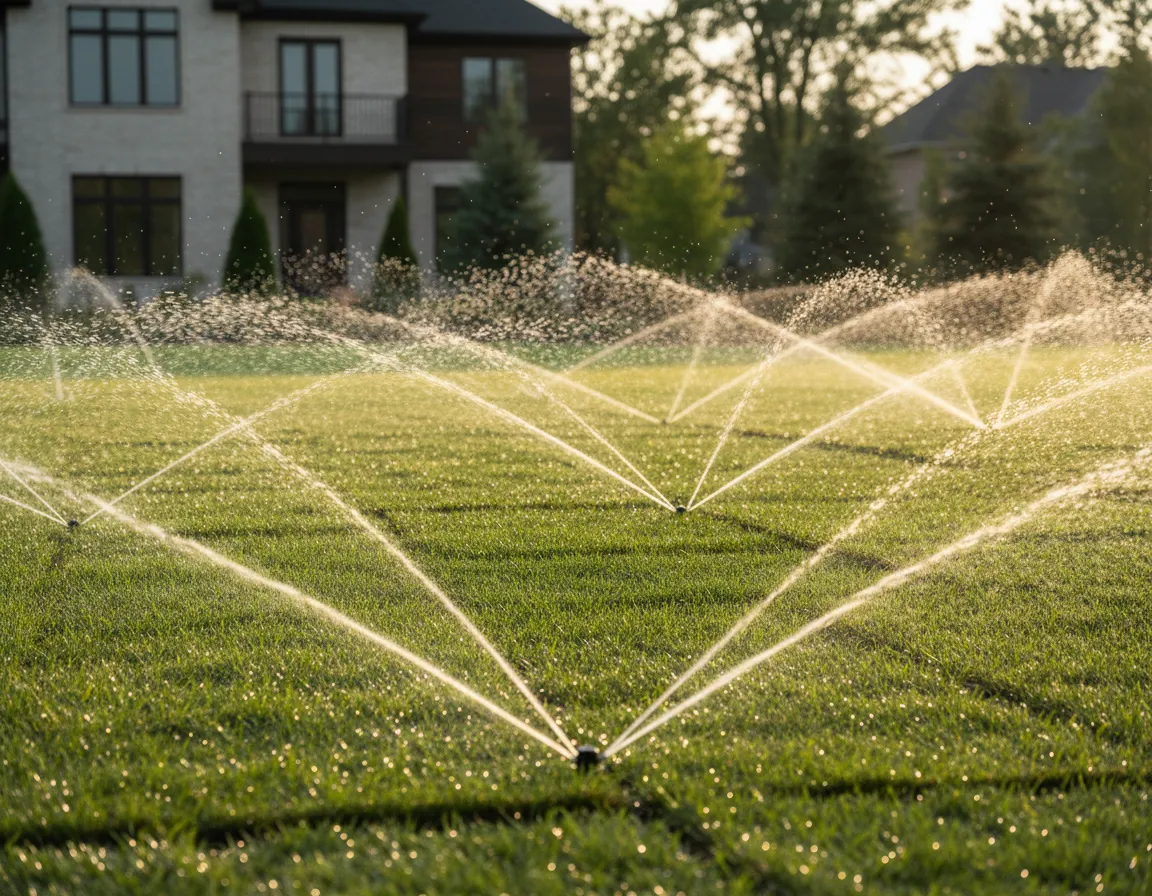
Day 1: heavy, even watering immediately after installation.
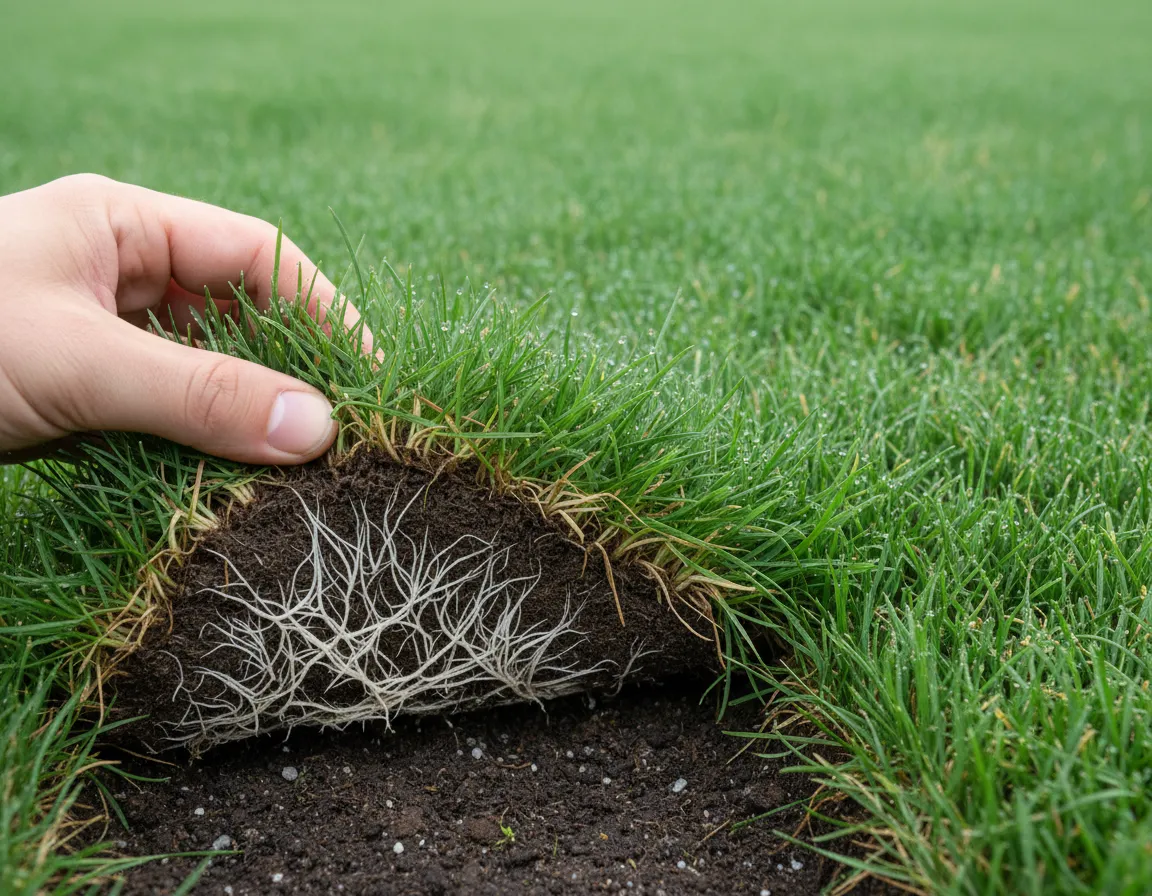
Week 2: lawn is filling in and feels more anchored as roots develop.

Day 30: dense, even, and deeply rooted turf ready for normal use.
Sprinkler Timing Recommendations
Use these run‑time ranges as a starting point, then fine‑tune based on your soil, sun exposure, and weather. Sandy soils need shorter, more frequent watering; clay soils need slower, deeper watering.
Rotor heads
Larger areas that rotate back and forth.
Run time: 25–40 minutes per zone
Spray heads
Fixed heads used in smaller or tighter areas.
Run time: 10–20 minutes per zone
Always adjust for soil type, weather, and sun exposure. Full‑sun, windy areas dry out fastest and may need more frequent checks—especially in Week 1.
At‑a‑glance run times
Dial in your controller, then fine‑tune by watching how quickly the top 2–3 inches of soil dry out.
Pro move: run multiple shorter cycles back‑to‑back (e.g., 2 × 15 min) to avoid runoff on clay soils.
Common Mistakes & Pro Tips
Avoid these pitfalls and apply a few simple habits to give your new sod the best possible start.
Common mistakes to avoid
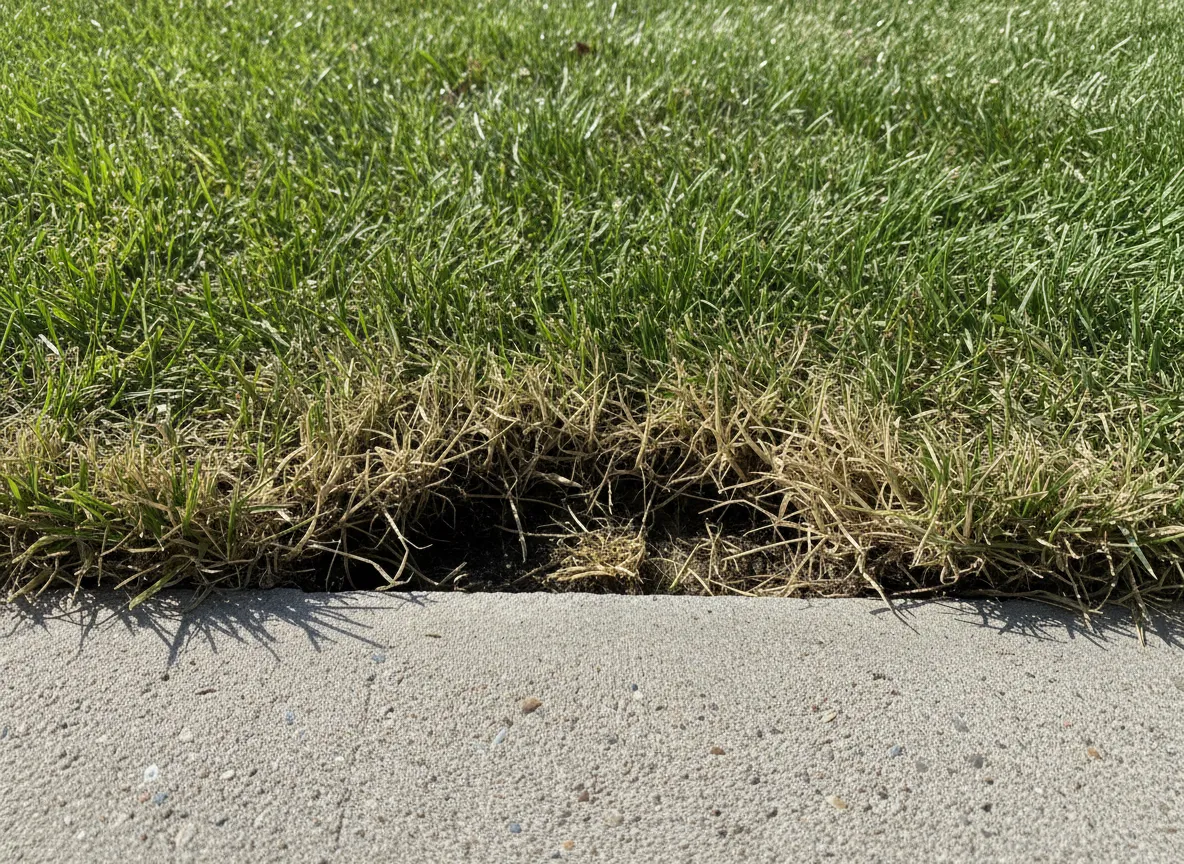
- Underwatering during Week 1, allowing sod to dry, curl, or shrink at seams
- Overwatering to the point of standing water or consistently soggy soil
- Mowing too early before roots are anchored in the soil
- Cutting grass too short and scalping the lawn
- Ignoring edges, corners, and strips along sidewalks/driveways that dry out fastest
Pro tips for success
- Water early in the morning whenever possible to reduce evaporation and disease risk
- Check soil moisture daily during Week 1 by feeling the top 2–3 inches of soil
- Sharpen mower blades before the first cut to avoid tearing tender grass blades
- Stay off the lawn as much as possible during the first 2–3 weeks
- Adjust watering based on real‑time weather (more in extreme heat, less during cool or rainy periods)
Remember: the first 30 days are about consistency, not perfection. Checking on your lawn for just a few minutes each day will tell you whether to dial watering up or down.
Set your lawn up to thrive, not just survive
The first 30 days after sod installation are all about steady, thoughtful care. Maintain consistent watering, mow at the right time and height, and keep heavy traffic off while roots develop.
Do that, and you’ll build a lawn that looks better, uses water more efficiently, handles everyday use, and stays healthier all year long.