What Affects
Home Value
in Cleveland?
Discover the key factors that determine your home's value — and how to position your property for the best possible outcome in 2026.
What most sellers think drives value:
What actually drives value:
What's Your Home Actually Worth?
Get a condition-based, location-specific valuation using real 2026 Cleveland market data.
determine your value
similar homes
true market value
automated guesses
The 5 Core Factors That
Affect Home Value in Cleveland
Most homeowners overestimate some factors and completely overlook others. Understanding all five — and how they interact — is the difference between maximizing your outcome and leaving money on the table.
Condition has the single most direct impact on how fast your home sells and how much buyers are willing to pay. In Cleveland's 2026 market, the gap between updated and outdated homes has never been wider — two similar properties on the same street can differ in price by tens of thousands based on condition alone.
Buyers Pay Premiums For
- Updated kitchens with modern finishes
- Renovated bathrooms
- Clean, move-in ready homes
- Fresh paint and neutral palettes
- Modern flooring throughout
Buyers Discount Heavily For
- Repairs needed — visible or suspected
- Outdated kitchens and bathrooms
- Dated finishes and cosmetics
- Any uncertainty about condition
- Deferred maintenance signals
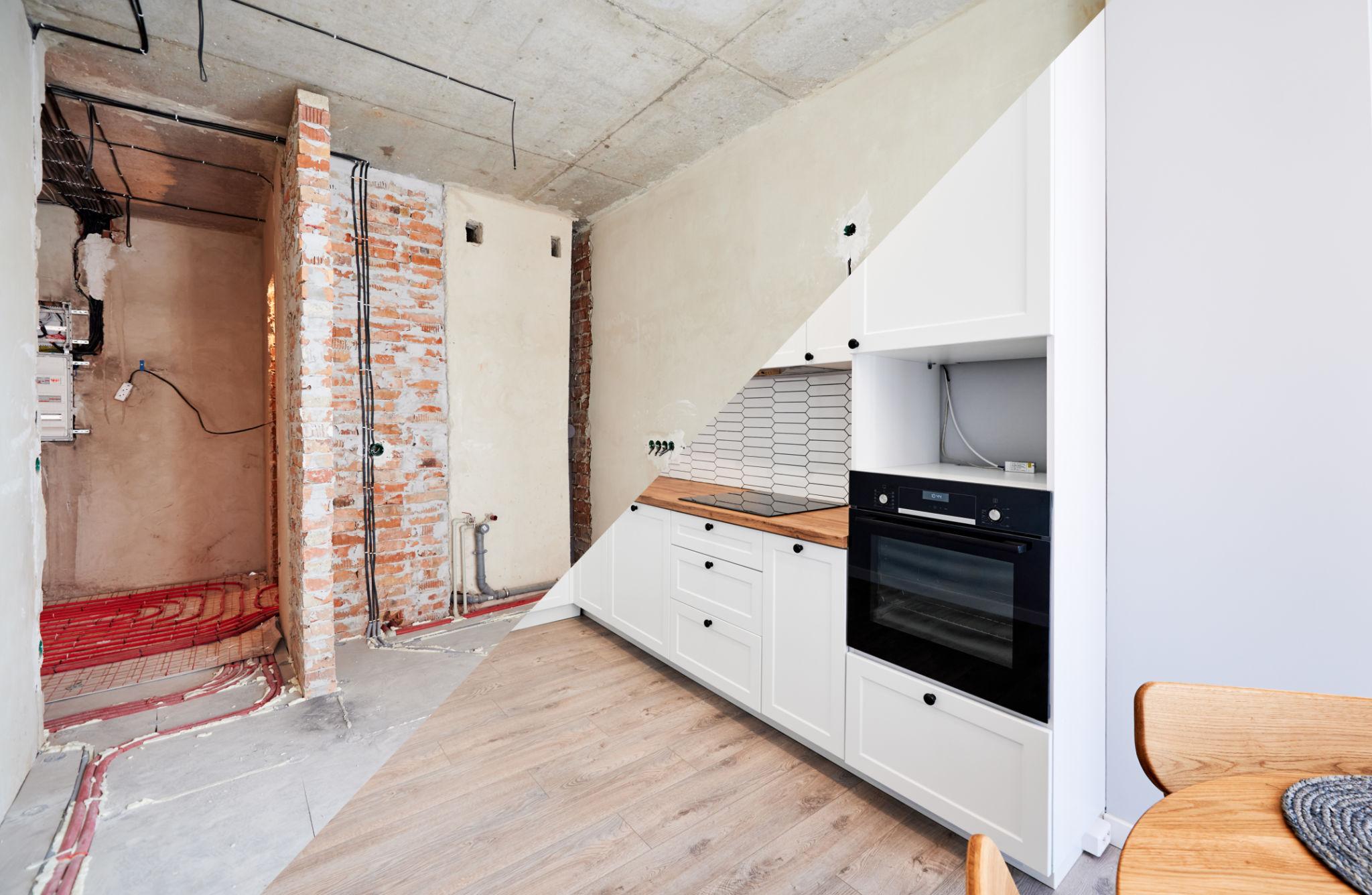
Cleveland is not one market — it's a collection of micro-markets, each with its own demand level, buyer profile, and pricing dynamics. Your exact street and neighborhood matter more to your outcome than the city's overall market performance.
Higher-Demand Areas
- Tremont — lifestyle-driven, premium pricing
- Ohio City — professional buyers, strong demand
- Lakewood — competitive, strategy-driven
- Old Brooklyn — emerging, rising activity
- West Park — growing first-buyer interest
Price-Sensitive Areas
- Parma — value-focused, condition-driven
- Brook Park — affordability-first buyers
- Brooklyn, OH — comp-dependent, stable
Appraisers, buyers, and agents all look at recently sold homes similar to yours to set expectations. These comparable sales establish your price ceiling and anchor buyer perception — but not all comps are created equal. A renovated comp vs. an outdated one can create significantly different reference points for your property.
What Strong Comps Do
- Set a higher price ceiling for your listing
- Give buyers confidence in the asking price
- Support appraisal value at closing
- Reduce negotiation leverage for buyers
What Weak Comps Create
- Lower buyer expectations overall
- Appraisal risk at closing
- Seller overestimates actual value
- Negotiation ammunition for buyers
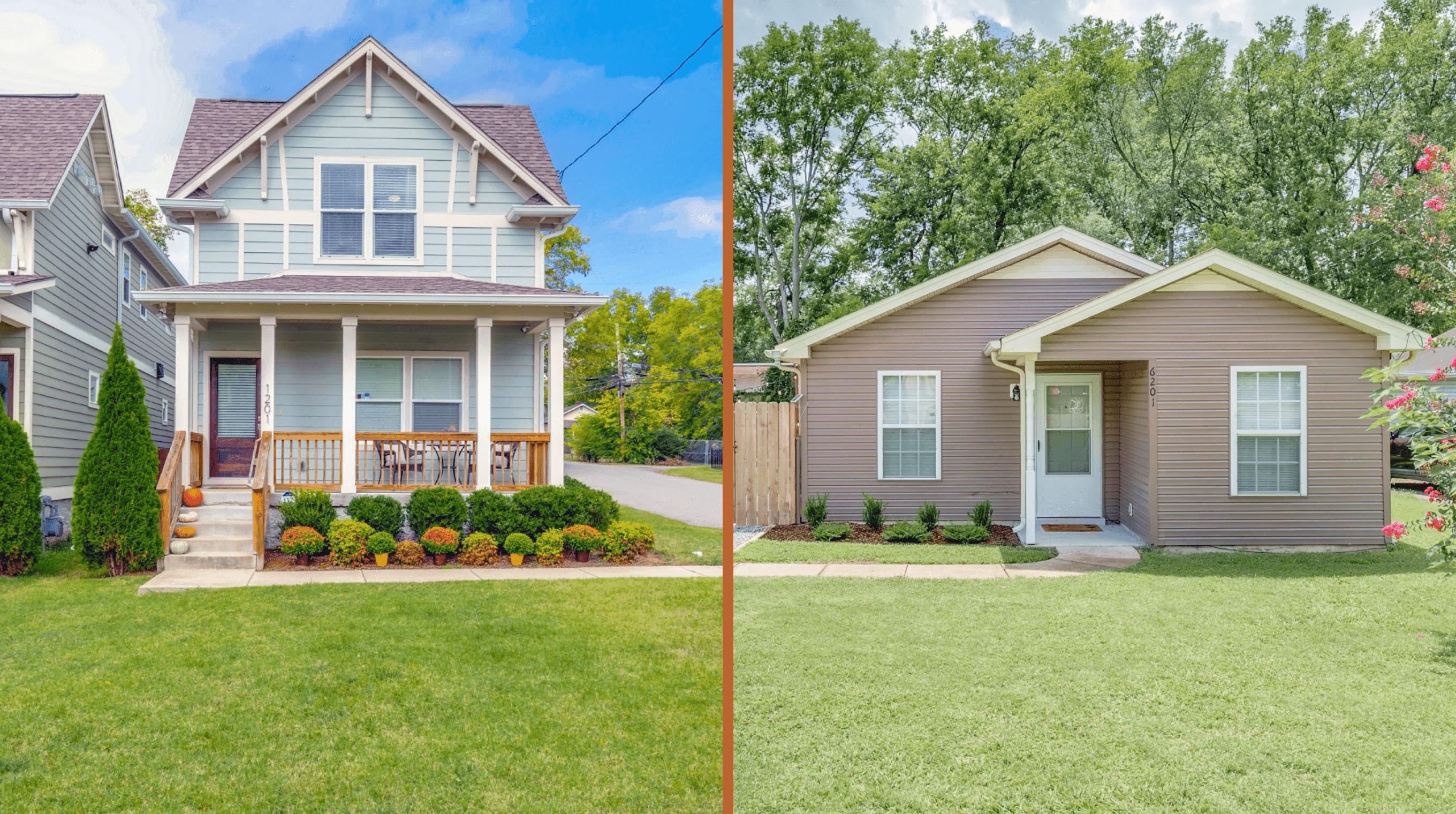
Market conditions directly affect how buyers behave — and that behavior determines your outcome. Interest rates, inventory levels, and economic conditions all influence how urgently buyers act and how much they're willing to pay.
When Demand Is High
- Faster sales with fewer days on market
- Stronger, more competitive offers
- Less negotiation on price and terms
- Multiple offer situations possible
When Demand Slows
- More price sensitivity from all buyers
- Longer timelines before receiving offers
- Increased negotiation power for buyers
- Extended market time compounds problems
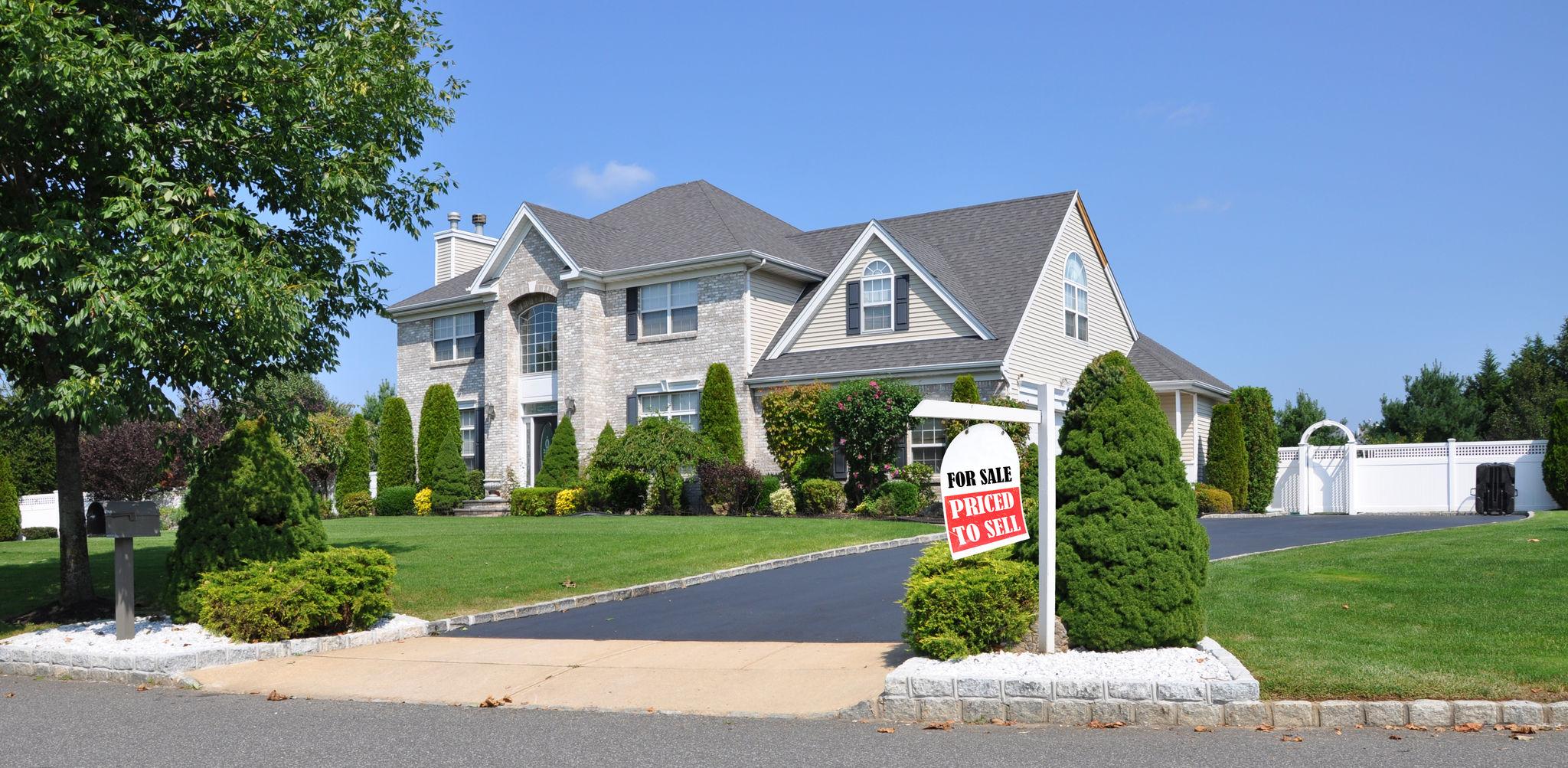
Pricing doesn't just reflect value — it actively shapes it. A well-priced listing creates a perception of value and attracts immediate attention. An overpriced listing signals something is wrong before buyers even walk through the door. Most sellers don't realize that overpricing usually leads to a lower final sale price, not a higher one.
Strategic Pricing Outcomes
- Immediate buyer interest and showings
- Potential for multiple competing offers
- Faster close with fewer concessions
- Stronger negotiating position throughout
Overpricing Consequences
- Delayed showings and buyer skepticism
- Extended days on market
- Forced price reductions that signal distress
- Final price often lower than if priced right
Factors That Do NOT Increase
Value as Much as You Think
These are the blind spots that cost sellers money. Understanding what doesn't translate into buyer value is just as important as knowing what does.
Over-Renovating
Not all upgrades produce their full return on investment. High-end finishes installed in a mid-range neighborhood rarely translate into a proportionally higher sale price — buyers in that market simply won't pay for them.
Emotional Value
The memories made in a home, the personal effort invested in projects, and the sentimental attachment to certain features are real to sellers — but they carry zero weight with buyers evaluating their options.
Online Estimates (Zillow, etc.)
Automated valuation tools like Zestimates use algorithm-based data that cannot account for condition, recent updates, interior quality, or true local buyer demand. They're often meaningfully inaccurate for individual properties.
"The market doesn't care what you paid, what you put into it, or what an algorithm says it's worth. It cares what a motivated buyer will pay — and that's determined by condition, location, and competing options."
How Buyers
Actually Determine Value
Buyers don't calculate value the way sellers do. They don't look at what you paid, what you've invested, or what your neighbor sold for. They ask one fundamental question:
"Is this home better than my other options at this price point?"
That means your home is always competing — against active listings, against recent sales, against buyer expectations shaped by everything they've already seen.
How to Increase Your
Home's Value Before Selling
If your goal is to maximize value, these are the four levers that actually move the needle — in order of impact and reliability.
Improve First Impressions
The highest ROI moves are often the simplest. Buyers decide quickly — don't lose them before they're inside.
- Deep clean and declutter every room
- Neutralize bold colors and personal decor
- Improve curb appeal — landscaping, front door, lighting
- Professional photography after preparation
Focus on High-Impact Updates
Not all updates pay off equally. Target the areas buyers weigh most heavily when comparing properties.
- Kitchen updates — hardware, fixtures, appliances
- Bathroom refresh — vanity, lighting, grout
- Flooring — clean carpet or LVP replacement
- Fresh paint throughout in neutral tones
Price Strategically from Day One
The first week of listing generates the most attention. Don't waste it with an overpriced listing that needs reducing.
- Analyze recent comps honestly — condition-adjusted
- Avoid "testing the market" — it almost always backfires
- Price to generate interest, not just reflect hope
- Consider pricing just below psychological thresholds
Choose the Right Selling Strategy
The best strategy depends on your home's condition, your timeline, and your goals — not a one-size-fits-all approach.
- Updated home + time available → traditional listing
- Needs work + speed priority → direct/off-market sale
- Match your strategy to your property's reality
- The wrong path costs time, money, and certainty
Your Options Based on
Your Property's Position
The right approach depends entirely on your home's current condition and your goals. Both paths have merit — the wrong one is simply the one that doesn't match your reality.
List on the Market
- ✔ Best for updated, move-in ready homes
- ✔ Maximizes potential sale price
- ✔ Ideal when you have time to wait
- ✔ Access to full buyer pool
- ✗ Agent commissions reduce net proceeds
- ✗ Repair and staging investment required
- ✗ Financing and inspection contingencies
Sell As-Is (Direct Sale)
- ✔ No repairs needed — sell completely as-is
- ✔ No commissions or agent fees
- ✔ Faster, predictable closing timeline
- ✔ Best for homes needing significant work
- ✔ No showings, no uncertainty
- ✔ Ideal when speed or certainty is the goal
- ✗ May not reach absolute top market price
How Value Differs by
Cleveland Neighborhood
Location sets your value ceiling — but each neighborhood has its own dynamics, buyer profile, and strategy requirements. Click your area to understand local pricing trends and what buyers expect.
Tremont
High buyer demand and lifestyle appeal push values up. Updated homes here achieve the strongest premiums in the city.
🔥 Strong Demand · Condition-DependentOhio City
Wide pricing range based on condition. Renovated properties command strong premiums from professional buyers.
⚡ Competitive · Strategy CriticalLakewood
High demand with limited inventory. Pricing strategy is the primary differentiator between good and great outcomes.
📊 Price-Sensitive · Condition-DrivenParma
Value-focused buyers weigh condition heavily. Accurate pricing for actual condition is non-negotiable here.
📊 Affordability-First · Value-DrivenBrook Park
Buyers prioritize value alignment above all else. The condition-to-price ratio determines how quickly homes move.
📊 Comp-Driven · Fair Pricing RequiredBrooklyn, OH
Tightly comp-dependent market. Fair pricing and solid condition are what move properties consistently here.
Frequently Asked
Questions
Get a Realistic Value for
Your Cleveland Home
Find out what your home is actually worth, what buyers will realistically pay, and the best strategy to maximize your outcome — with a no-obligation evaluation based on real 2026 market data.
Request Your Free Home Valuation
No obligation. Find out what your Cleveland home is actually worth in today's market.