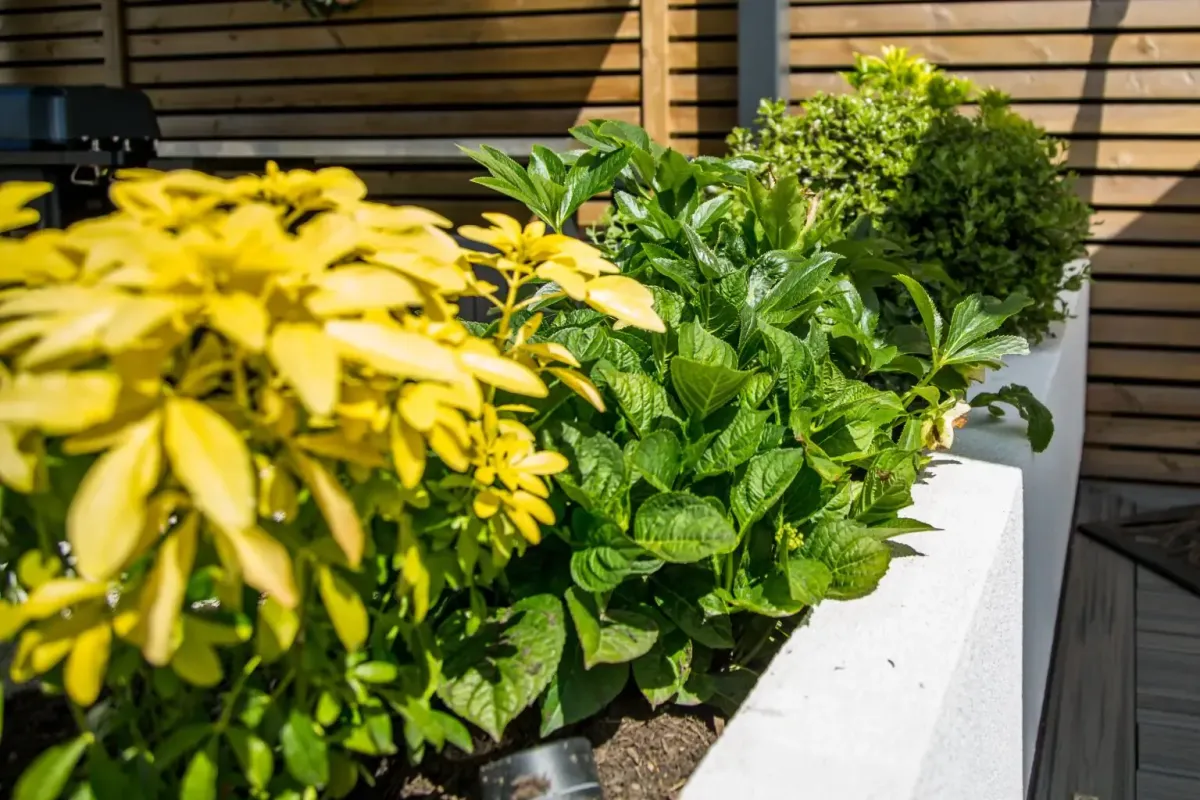
How to Plan Your Garden for Year-Round Beauty
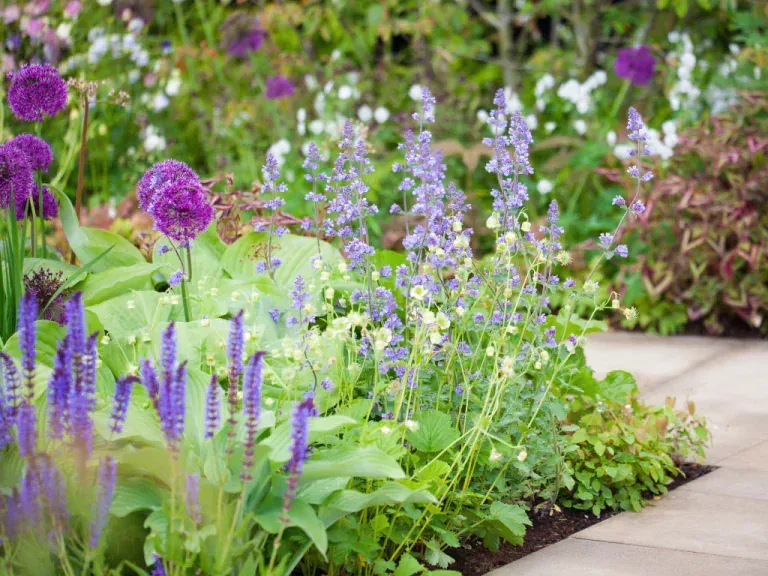
A well-designed garden can be a source of joy and beauty throughout the year. However, achieving year-round appeal requires thoughtful planning and a keen understanding of seasonal changes. Here are some essential tips to help you plan your garden for continuous beauty across all seasons.
1. Understand Your Climate and Soil
Before diving into garden planning, it’s crucial to understand the climate and soil conditions of your area. Different plants thrive in different environments, so knowing your hardiness zone, soil type, and local weather patterns will guide your plant selection and garden design.
2. Choose Plants for All Seasons
To ensure your garden looks beautiful all year, select a variety of plants that bloom in different seasons:
Spring: Opt for early bloomers like daffodils, tulips, and cherry blossoms to bring vibrant colours to your garden after winter.
Summer: Choose hardy perennials and annuals such as roses, lilies, and sunflowers that flourish in the summer heat.
Autumn: Include plants with striking fall foliage like maples, chrysanthemums, and ornamental grasses to add warm hues.
Winter: Plant evergreens, holly bushes, and winter-flowering shrubs like camellias to maintain interest during the colder months.
3. Incorporate Evergreen Plants
Evergreens provide structure and greenery to your garden throughout the year. Incorporating a mix of evergreen shrubs, trees, and ground covers ensures your garden has a constant backbone of foliage, even in winter.
4. Plan for Succession Planting
Succession planting involves replacing spent plants with new ones to ensure continuous bloom and harvest. This technique is especially useful in vegetable and flower gardens. For example, after harvesting spring vegetables, you can plant summer crops in their place.
5. Create Seasonal Interest
To maintain visual interest in your garden year-round, consider the following elements:
Foliage: Select plants with colourful or variegated leaves that change throughout the seasons.
Bark: Trees and shrubs with interesting bark textures or colours, like birch and red-twig dogwood, add winter appeal.
Berries and Seeds: Plants that produce berries or seed heads, such as holly and sunflowers, provide food for wildlife and visual interest.
Structure: Incorporate garden structures like arbors, pergolas, and trellises, which offer architectural interest regardless of the season.
6. Use Hardscaping Elements
Hardscaping features like pathways, patios, and rock gardens add structure and visual interest to your garden. These elements are not affected by seasonal changes, ensuring your garden remains attractive even when plants are dormant.
7. Plan for Seasonal Maintenance
A year-round garden requires regular maintenance tailored to each season:
Spring: Clean up winter debris, prune shrubs, and plant new flowers and vegetables.
Summer: Water regularly, deadhead flowers, and manage pests.
Autumn: Rake leaves, mulch garden beds, and plant bulbs for spring.
Winter: Protect tender plants, prune dormant trees, and plan for spring planting.
8. Consider Water Features
Water features like fountains, ponds, and birdbaths add a dynamic element to your garden that can be enjoyed year-round. They also attract wildlife, adding to the garden’s appeal.
9. Lighting for Nighttime Beauty
Garden lighting enhances the beauty of your garden at night and during shorter winter days. Use a mix of path lights, spotlights, and string lights to highlight key features and create a warm, inviting atmosphere.
10. Consult with Professionals
If you’re unsure where to start or need expert advice, consider consulting with a professional garden designer. They can help you create a comprehensive plan that ensures year-round beauty tailored to your specific garden conditions and preferences. Naturally, we are happy to help!
Conclusion
Planning a garden for year-round beauty involves selecting a diverse range of plants, incorporating evergreen and hardscaping elements, and considering seasonal maintenance needs. By thoughtfully designing your garden with all seasons in mind, you can create a stunning outdoor space that provides enjoyment and visual interest throughout the entire year. Happy gardening!