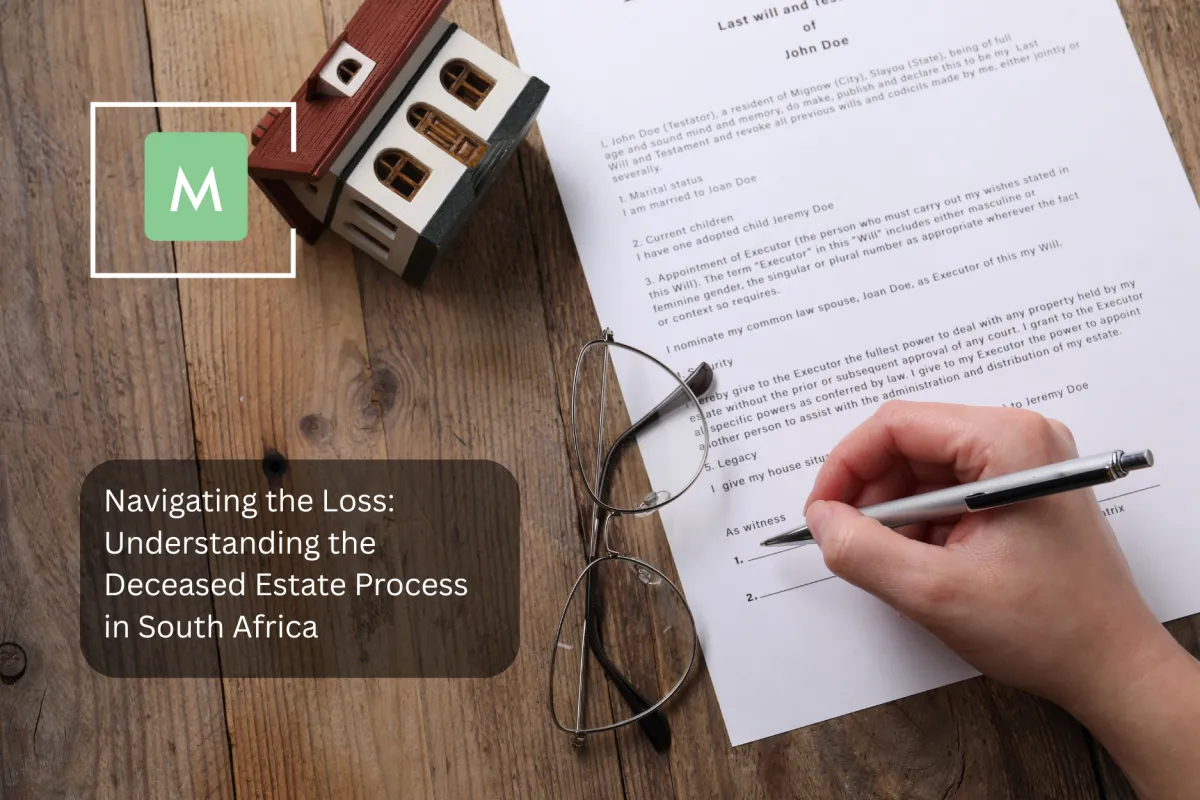
Navigating the Loss: Understanding the Deceased Estate Process in South Africa
Navigating the Loss: Understanding the Deceased Estate Process in South Africa
Losing a loved one is an incredibly difficult experience, and the emotional burden is often compounded by the need to manage their legal and financial affairs. In South Africa, the process of administering these affairs falls under the umbrella of deceased estates. Understanding what this entails, and the steps involved can feel overwhelming during a time of grief.
At Mopeli & Co Attorneys, while our physical offices are located in Gauteng and the Free State, we extend our expertise to assist families across South Africa, in navigating the complexities of deceased estates. Whether you are located in our local community or anywhere else in the country, our dedicated team is here to guide you through each step. For our valued clients, we also offer a secure client portal on our website where you can conveniently log in to access updates and important documents related to your estate matter.
What Exactly is a Deceased Estate in South Africa?
In simple terms, a deceased estate refers to the total assets and liabilities left behind by a person who has passed away. These assets can include immovable property (land and/or, houses), vehicles, bank accounts, investments, furniture, personal belongings, and any other items of value. The liabilities encompass any outstanding debts, such as loans, credit card balances, and unpaid bills.
The primary purpose of administering a deceased estate is to ensure that the deceased's assets are properly collected, all legitimate debts are settled, and the remaining assets are distributed to the rightful heirs (beneficiaries) in accordance with the deceased’s will (if one exists) or the laws of intestate succession (if there is no valid will).

The Key Stages Involved in the Deceased Estate Process:
Administering a deceased estate typically involves several distinct stages:
Reporting the Death to the Master of the High Court: The first crucial step is to formally report the death to the Master of the High Court in the jurisdiction where the deceased ordinarily resided. This must be done within 14 days of the death. The person reporting the death will need to provide certain documents, including the death certificate, the deceased's identity document, and their own identity document.
Appointment of an Executor: Once the death is reported, the Master of the High Court will appoint an executor (or executrix if female) to administer the estate. If the deceased had a valid will, they would have usually nominated an executor. If there is no will or no executor is nominated in the will, the Master will appoint an executor, often a close family member. The executor is granted the legal authority to act on behalf of the deceased estate through a document called Letters of Executorship.
Opening a Bank Account for the Estate: The appointed executor will need to open a separate bank account in the name of the deceased estate. All moneys received by the estate (e.g. insurance payouts, proceeds from the sale of assets
,rental income, interest) will be deposited into this account, and all expenses related to the administration of the estate will be paid from it.Collecting and Valuing Assets: The executor is responsible for identifying, collecting
,and accurately valuing all the assets of the deceased estate. This may involve contacting financial institutions, obtaining property valuations, and compiling a comprehensive inventory of all assets.Settling Liabilities (Paying Debts): The executor must identify and settle all legitimate debts owed by the deceased estate. This includes evaluating and paying all estate administration costs (such as advertising for creditors in the Government Gazette and local newspapers), reviewing and paying claims against the estate
,and paying valid estate debts.Drawing Up a Liquidation and Distribution Account: Once all assets have been collected and valued, and all liabilities have been identified and evaluated, the executor must prepare a Liquidation and Distribution Account. This document provides a detailed overview of the estate's assets, liabilities, and how the remaining assets will be distributed among the beneficiaries.
Advertising the Liquidation and Distribution Account: The Liquidation and Distribution Account must be advertised in the Government Gazette and a local newspaper, allowing interested parties a period (usually 21 to 30 days) to lodge any objections they may have.
Addressing Objections (if any): If any valid objections are raised, the executor will need to address them, potentially requiring further investigation or legal intervention.
Distribution of Assets to Beneficiaries: Once the objection period has passed without valid objections (or after any objections have been resolved), the executor can proceed with distributing the remaining assets to the rightful beneficiaries in accordance with the deceased's will or the laws of intestate succession.
Finalisation of the Estate: After all assets have been distributed and the executor has fulfilled all their duties, they will apply to the Master of the High Court for the finalisation of the estate.
Common Challenges Faced During the Deceased Estate Process:
Administering a deceased estate can often present various challenges, including:
Locating all assets and liabilities, especially if the deceased's financial affairs were not well-documented.
Dealing with complex financial instruments and investments, such as trusts, offshore accounts, or intricate share portfolios.
Interpreting the often-legalistic language and specific clauses within a will, which can sometimes lead to disputes.
Handling disagreements and potential disputes among beneficiaries regarding the interpretation of the will or the distribution of assets.
Navigating the specific requirements and often time-consuming procedures of the Master of the High Court, which can vary slightly between different regional offices.
Understanding the potential tax implications of the deceased estate, including estate duty, capital gains tax, and income tax, and ensuring compliance with SARS regulations.
Dealing with unexpected delays in the process, which can arise due to various administrative hurdles or complexities within the estate.

When is Legal Assistance Crucial for a Deceased Estate?
While it is possible for individuals to administer a deceased estate themselves, seeking legal assistance from experienced attorneys, such as Mopeli & Co Attorneys, can be invaluable, especially in the following situations:
The estate is large or complex, involving significant assets, intricate financial arrangements, or assets located in multiple jurisdictions.
There is no valid will, requiring the application of the laws of intestate succession, which can sometimes be complex and lead to unintended consequences.
There are disputes or potential conflicts of interest among potential beneficiaries, which can escalate and require legal mediation or intervention.
The appointed executor is unfamiliar with the legal and administrative requirements of administering a deceased estate and may feel overwhelmed by the responsibilities.
The estate may be subject to estate duty or other complex tax implications that require expert financial and legal knowledge to navigate effectively.
Dealing with the specific requirements and procedures of the Master of the High Court proves challenging or time-consuming for the appointed executor.
How Mopeli & Co Attorneys Can Assist You with Deceased Estates:
At Mopeli & Co Attorneys, our dedicated team can provide comprehensive legal assistance with all aspects of deceased estate administration, regardless of your location in South Africa. We can:
Provide clear and practical guidance through the entire deceased estate process, ensuring you understand each step involved.
Assist with the prompt and accurate reporting of the death to the Master of the High Court.
Act as the executor of the estate, taking on the full administrative burden, or provide expert guidance and support to the appointed executor.
Diligently handle the collection, identification, and accurate valuation of all estate assets.
Efficiently manage the settlement of all legitimate debts and liabilities of the deceased.
Prepare the legally required Liquidation and Distribution Account with meticulous attention to detail.
Act as a professional liaison with the Master of the High Court on your behalf, ensuring compliance with all regulations and procedures.
Proactively address any objections that may be raised against the estate, working towards a swift and fair resolution.
Ensure the lawful and timely distribution of assets to the rightful beneficiaries in accordance with the will or the laws of intestate succession.
Provide expert legal advice on estate planning, including the drafting of valid and comprehensive wills to protect your loved ones' futures.
Offer comprehensive guidance on the tax implications of deceased estates, ensuring compliance with all relevant legislation.
Keep you regularly informed of the progress of your matter through clear communication and the convenience of our secure client portal, where you can access updates and important documents at your convenience.
Navigating Loss with Expert Guidance from Mopeli & Co Attorneys,
Dealing with a deceased estate can be a stressful and time-consuming process, particularly while grieving the loss of a loved one. By understanding the key stages involved and knowing when to seek professional legal assistance from Mopeli & Co Attorneys, you can navigate this challenging time with greater ease and ensure that the deceased's affairs are handled correctly, efficiently, and with the utmost sensitivity.

If you are in Gauteng and Free State, or anywhere else in South Africa and require assistance with a deceased estate, we encourage you to reach out to Mopeli & Co Attorneys for expert legal guidance.
Share your experiences or any questions you have about the deceased estate process in the comments section below.
For a confidential and free, no-obligation consultation to discuss your specific deceased estate needs with our dedicated attorneys at Mopeli & Co Attorneys, please click here or send us a WhatsApp on 082 071 3041. Existing clients can log in to our secure client portal on our website for updates and important documents related to their case. Let us provide you with the support and expertise you need during this sensitive time.
