TRENDING
Things Worth Listening To
We’re always on the lookout for what’s reshaping the way we live, work, and see the world.
When we find something that’s truly worth listening to, naturally, we want to share it with you — because we believe you’ll appreciate it.
Stay ahead of the curve with our curated Current Trends series.
Each week, we spotlight real movements shaping trades, technology, entrepreneurship, and the future of business.
Watch the latest developments, gain insight, and discover new opportunities to position yourself for success.
OUR GOAL?
To support you —by giving you a "heads up" on the things you’ll want to know.

CURRENTLY TRENDING - Things Worth Listening To
This week, we discovered something inspiring — college enrollment is declining fast, and more people are catching on to the beauty of building a business for themselves.
Discover how working for yourself ensures you’re fully compensated and appreciated for everything you contribute.
If you have the commitment and the drive, starting your own business today is easier than it ever was for your parents. - Now, you have an entire world of technology at your command.
In fact, why not let us show you some of the tools that can help you start your dream company — faster, smarter, and with more freedom than ever before?
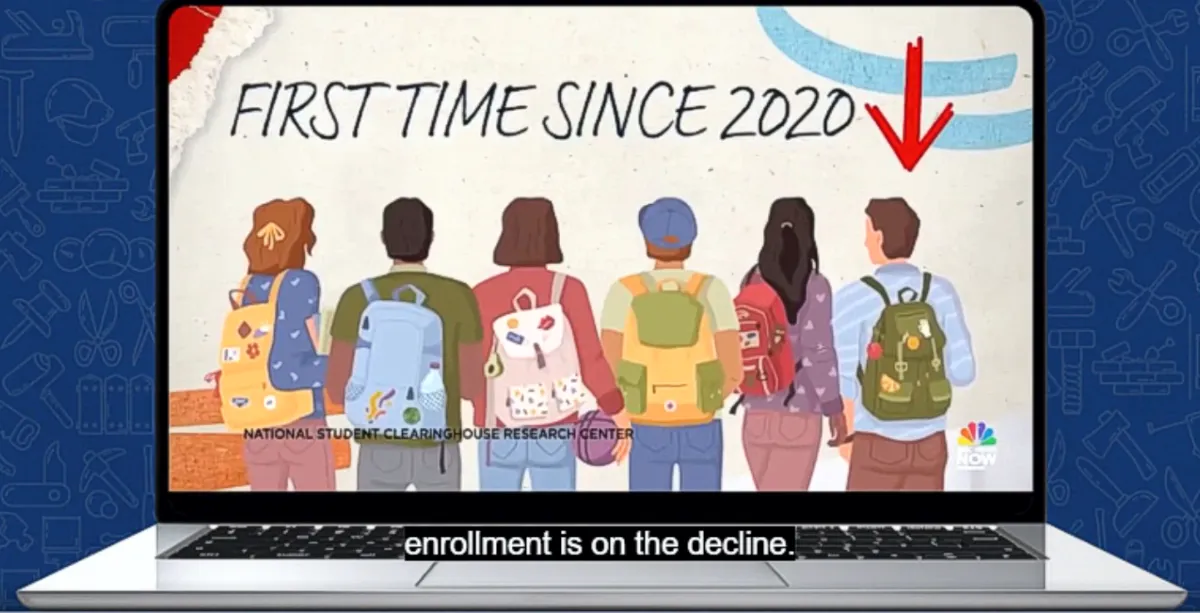
GEN-Z - COLLEGE ENROLLMEN IS ON THE DECLINE
"There are about 2 million fewer students in a traditional four-year university now than in 2011," says Nich Tremper, senior economist at payroll and benefits platform Gusto.
Instead, many young people are entering skilled trades like construction, plumbing, electrical contracting and automotive repair. In the first quarter of 2024, Gen Z made up 18% of the workforce, according to the Department of Labor, but 18- to 25-year-olds made up nearly 25% of all new hires in skilled trade industries that year, according to Gusto.
Here's how Gen Zers are finding their place in blue collar work and what could be in store for them given the Trump administration's latest tariffs.

I'M NOT GOING TO STOP MY BUSINESS & PAY FOR COLLEGE
Morgan Bradbury, 21, first tried welding in high school. She loved it.
"I just immediately was mesmerized by the fact that I could have the ability to build things with my own hands," she says. After graduating high school, Bradbury took a nine-month welding certification course at Universal Technical Institute for about $21,000.
She got a job at military and information security company BAE Systems before even completing her course with a starting salary of about $57,000 per year. She's now a second-class welder on U.S. Navy ships in Norfolk, Virginia.

THEY'RE ADDING TO THE DYNAMISM OF THE ECONOMY
Chase Gallagher, 24, began landscaping when he was just 12 or 13, he says. He registered his landscaping company,
CMG Landscaping, in 2015. By 18, he had as many as 82 clients. "I just kind of looked at the numbers and said, 'Listen, I'm not going to go stop my business and pay for college,'" he says.
The average starting salary for workers in the skilled trades is about $23 per hour, according to Gusto. Electricians make a median annual salary of $62,350 per year, plumbers make a median of $62,970 per year and construction workers make a median of $46,050 per year, according to the Bureau of Labor Statistics.
In 2024, Gallagher's business brought in $1,085,000 in sales. He earned just under $500,000 through his salary and his owner share of the business.

Gen Z college grads expect to earn more than $100,000 at their first job. Their actual paycheck is a rude awakening
Chase Gallagher, 24, began landscaping when he was just 12 or 13, he says. He registered his landscaping company,
CMG Landscaping, in 2015. By 18, he had as many as 82 clients. "I just kind of looked at the numbers and said, 'Listen, I'm not going to go stop my business and pay for college,'" he says.
The average starting salary for workers in the skilled trades is about $23 per hour, according to Gusto. Electricians make a median annual salary of $62,350 per year, plumbers make a median of $62,970 per year and construction workers make a median of $46,050 per year, according to the Bureau of Labor Statistics.
In 2024, Gallagher's business brought in $1,085,000 in sales. He earned just under $500,000 through his salary and his owner share of the business.

The great collapse of US higher education has begun
The sharp rise in Gen Z graduates who believe their college education was a waste of money signals a growing disillusionment with the traditional higher education model. As tuition costs continue to soar and student debt reaches historic highs, many young adults are questioning whether a degree offers the financial and professional security it once promised. This shift in perception could have long-term consequences for universities, the labor market, and broader economic mobility, especially as alternative pathways like trade schools, online certifications, and direct-to-career programs gain popularity.