
Expert Bankruptcy Attorneys: Your Path to Financial Freedom
We introduce our team of seasoned bankruptcy attorneys who are here to guide you through the complex maze of bankruptcy law. Our lawyers have years of experience helping individuals and businesses regain their financial footing. We understand the challenges you're facing, and we're committed to finding tailored solutions that work for you.
About Us
What sets us apart is our unwavering dedication to your success. We take the time to listen to your unique situation, providing personalized strategies that are tailored to your specific needs and goals. Our attorneys are not just legal professionals; they are your advocates, working tirelessly to protect your rights and interests throughout the bankruptcy process.
Transparency and clear communication are at the core of our values. We strive to make the complex world of bankruptcy law understandable, ensuring you are fully informed every step of the way. Our goal is to empower you with the knowledge and tools you need to make informed decisions about your financial future.

About Us
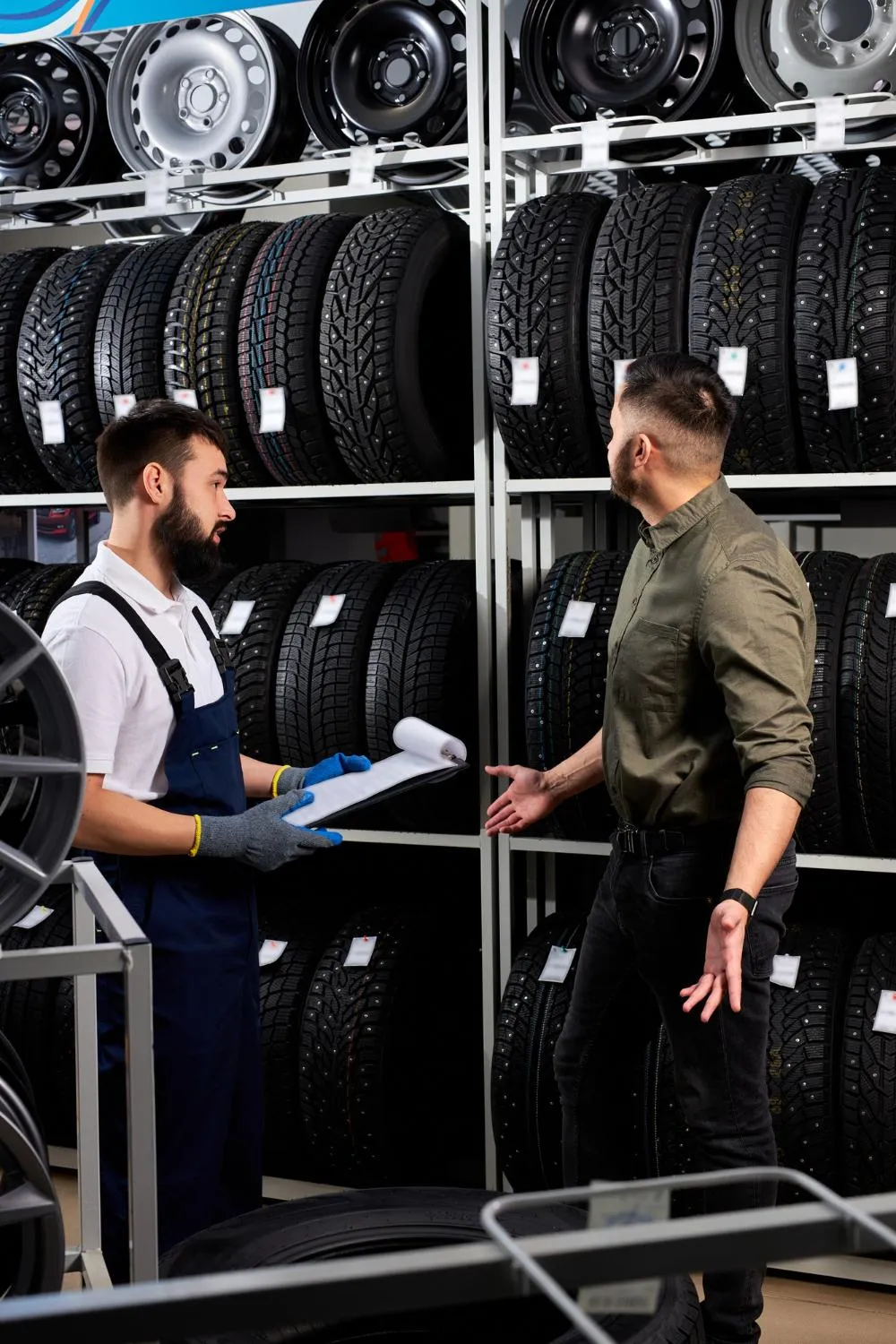
We believe that safety on the road should be accessible to everyone. That's why we offer a wide range of tires to fit every budget. You don't have to compromise on quality to save money. We have cost-effective tire options that still provide reliability and performance, ensuring that you get the best value for your money.
We understand that your time is valuable. That's why we offer fast and convenient tire installation services. Our experienced technicians will have you back on the road in no time, ensuring that your tires are properly mounted, balanced, and aligned for a smooth and safe ride.
Service

Tire Installation,
Emphasize your tire installation services. Explain the importance of proper installation for safety and performance. Mention any specialized equipment or techniques your technicians use to ensure a secure fit.
Service
Foreclosure Defense
Highlight your firm's ability to assist homeowners facing foreclosure. Explain how you can explore legal options to delay or prevent foreclosure, such as loan modifications, bankruptcy filings, or negotiation with lenders.

Debt Settlement and Negotiation
Describe your services for negotiating with creditors to reduce debt amounts or establish manageable repayment plans outside of bankruptcy. Explain how this can be an alternative to bankruptcy for clients with less severe financial challenges.


Tire Repair,
Founded with a passion for empowering women through style, our journey began with a vision to curate a collection that caters to diverse tastes, sizes, and aspirations. With an unwavering commitment to quality, craftsmanship, and sustainability.
Credit Counseling and Financial Education
Offer credit counseling and financial education services to help clients understand their financial situation and make informed decisions about debt management and bankruptcy alternatives.

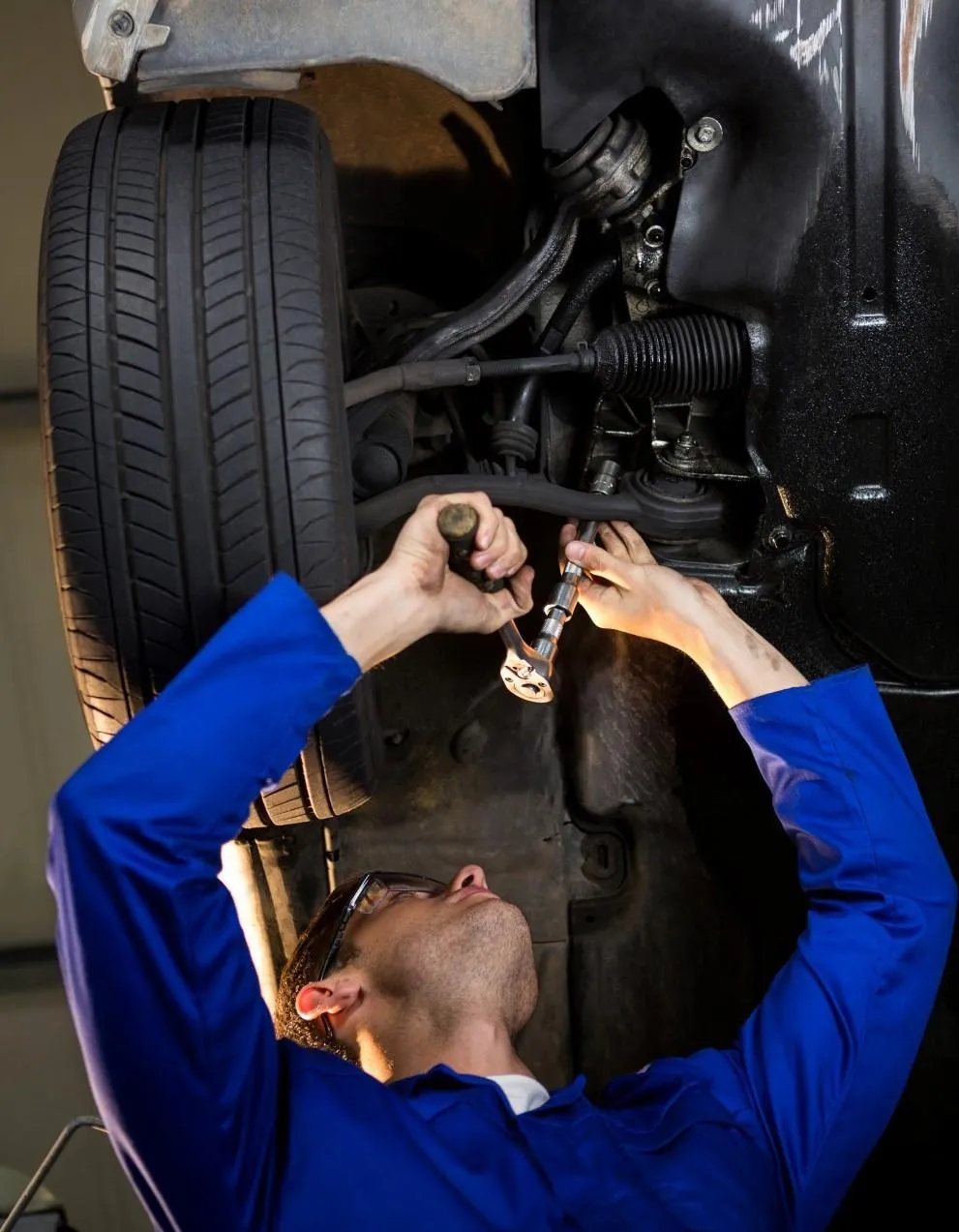
Tire Rotation and Balancing
Highlight the importance of regular tire maintenance, such as tire rotation and balancing. Describe how these services help extend tire life, improve fuel efficiency, and ensure even tread wear.
Bankruptcy Consultations
Provide a platform for potential clients to schedule bankruptcy consultations. Explain how these consultations are an opportunity for individuals and businesses to discuss their financial challenges and explore available legal options.

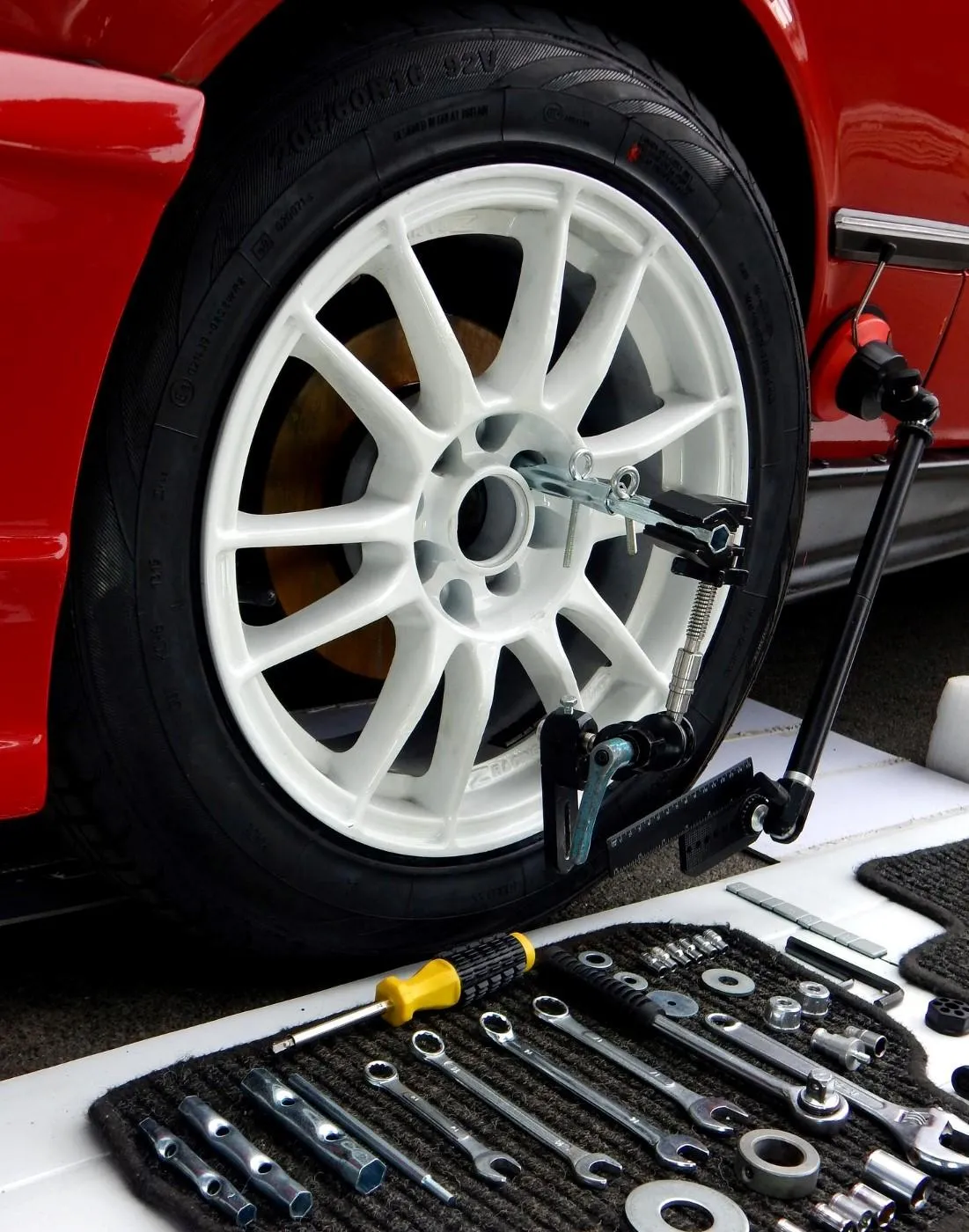
Wheel Alignment
Promote your wheel alignment services, including both two-wheel and four-wheel alignment options. Explain how proper alignment can enhance vehicle handling, extend tire life, and improve fuel efficiency.
OUR CREATIVE TEAM

JOHN DOE

JOHN DOE

JOHN DOE
FAQS
What is bankruptcy, and how does it work?
Bankruptcy is a legal process designed to help individuals and businesses struggling with overwhelming debt regain financial stability. It involves filing a petition in federal court, where a judge evaluates your financial situation and may discharge certain debts. The two most common types of bankruptcy for individuals are Chapter 7, which involves liquidating assets to pay off debts, and Chapter 13, which allows you to reorganize and repay your debts over time. The specific chapter you file under depends on your financial circumstances and goals. Bankruptcy can provide relief from creditor harassment, stop foreclosure or repossession, and give you a fresh financial start.
Will bankruptcy ruin my credit forever?
No, bankruptcy will not ruin your credit forever. While it will have a negative impact on your credit score initially, and a bankruptcy filing may remain on your credit report for several years, you can start rebuilding your credit immediately after the process is complete. Many individuals find that they can qualify for credit cards, car loans, and even mortgages within a few years of bankruptcy discharge. Responsible financial management and making timely payments will gradually improve your credit score. Bankruptcy is often a stepping stone to a better financial future.
Can I choose which debts to include in my bankruptcy filing?
In a bankruptcy filing, you cannot selectively choose which debts to include. Bankruptcy law requires you to list all your debts, assets, income, and expenses in your bankruptcy petition. This ensures that all creditors are treated fairly and that you receive the full benefits of bankruptcy protection. However, certain types of debts, such as child support, alimony, student loans (in most cases), and recent tax debts, are generally non-dischargeable, meaning they won't be eliminated by the bankruptcy process. Your bankruptcy attorney can provide guidance on which debts are eligible for discharge based on your specific situation.
Testimonial

From the very first consultation, they put my mind at ease.
JANE DOE

That's when I reached out to [Bankruptcy Law Firm Name].
JANE DOE
Get In Touch