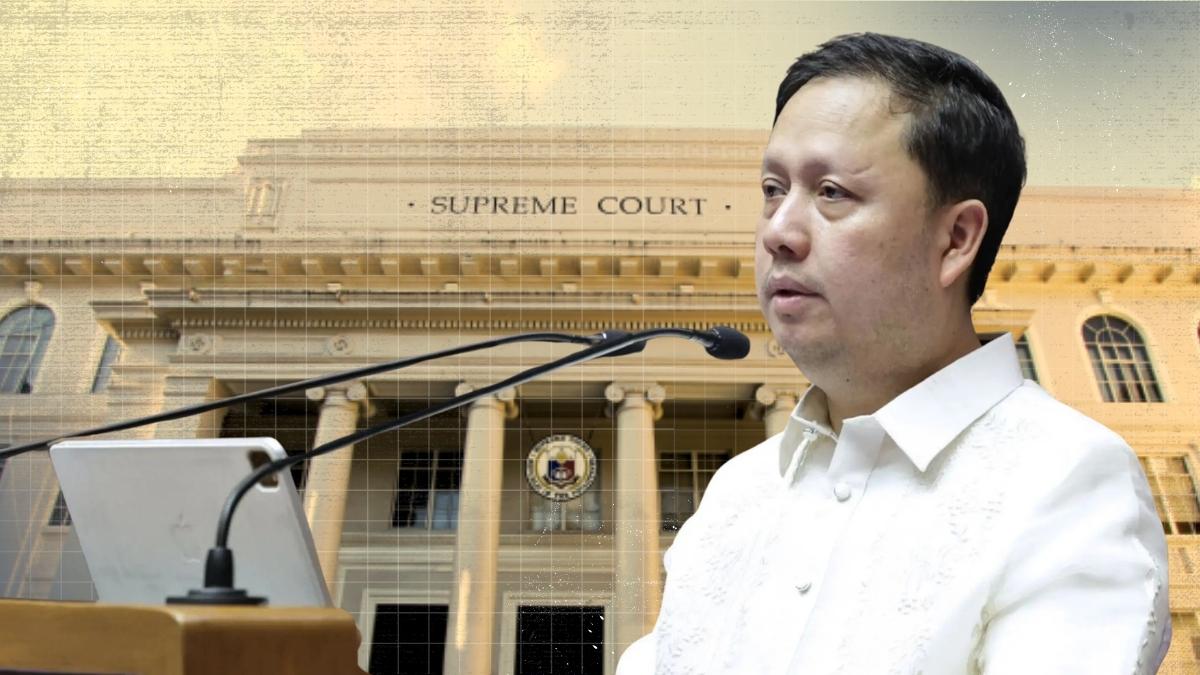
Supreme Court Orders Ombudsman, ICI to Respond to Zaldy Co’s Petition
The legal battle surrounding businessman and former lawmaker Zaldy Co has taken a new turn after the Supreme Court directed both the Office of the Ombudsman and the Independent Commission on Infrastructure (ICI) to respond to his claims.
The High Court’s order does not rule on the merits of Co’s arguments yet. Instead, it signals that the Court found enough basis to require the respondents to formally answer the petition. In legal procedure, this step is significant: it means the case is moving forward in a structured judicial process.
What the Supreme Court’s Order Means
When the Supreme Court requires government agencies to comment, it does not automatically validate the petitioner’s claims. Rather, it ensures that due process is observed. Both sides are given the opportunity to present their arguments, evidence, and legal reasoning before the Court decides.
In this case, Co reportedly raised concerns about actions taken against him and questioned the authority or procedures of certain investigations. By ordering the Ombudsman and ICI to respond, the Court is essentially saying: “Explain your side.”
This step is part of constitutional checks and balances. The judiciary serves as the final arbiter when disputes arise between individuals and government agencies.
The Broader Context
The controversy involving Zaldy Co has unfolded alongside broader debates over infrastructure projects, alleged irregularities, and political accountability. The Independent Commission on Infrastructure was tasked with reviewing large-scale infrastructure spending, while the Ombudsman handles investigations of public officials for potential misconduct.
Co’s legal challenge places both institutions under scrutiny. It raises questions such as:
Were procedures properly followed?
Were constitutional rights upheld?
Did the agencies act within their legal mandate?
The Supreme Court’s involvement elevates the matter from political debate to constitutional review.
Why This Development Matters
This order underscores a key democratic principle: government actions are reviewable. No agency operates beyond judicial oversight.
For supporters of Co, the Court’s action may be seen as an opportunity to challenge what they believe are procedural flaws or overreach. For critics, it is simply part of routine judicial review and does not imply wrongdoing by the agencies involved.
Importantly, the Court’s directive ensures transparency. The Ombudsman and ICI must now formally explain their positions in writing, allowing the public to see how these institutions justify their actions.
Judicial Process vs. Political Narrative
In highly charged political environments, legal disputes often get framed in partisan terms. However, the Supreme Court’s process operates differently. It focuses strictly on constitutional questions and statutory interpretation.
The Court’s next steps will depend on:
The written responses of the Ombudsman and ICI
The legal sufficiency of Co’s petition
Whether further hearings or submissions are required
Only after evaluating these will the Court decide whether relief should be granted or denied.
Implications Moving Forward
The case could have implications beyond the individuals involved. It may clarify:
The scope of investigative authority of commissions like the ICI
The limits of Ombudsman jurisdiction
Standards for due process in high-profile investigations
Whatever the outcome, the process reinforces institutional accountability. When legal questions arise, they are settled in court—not in press conferences or social media posts.
Final Thoughts
The Supreme Court’s order is a reminder that in a constitutional democracy, disputes between citizens and the state must be resolved through law.
At this stage, there is no final ruling—only a directive to respond. But that directive alone highlights the seriousness of the issues raised.
As the case progresses, observers will watch closely to see how the Ombudsman and ICI defend their actions—and how the Supreme Court ultimately interprets the legal boundaries at stake.
For now, one thing is clear: the matter has officially entered the highest level of judicial review.
