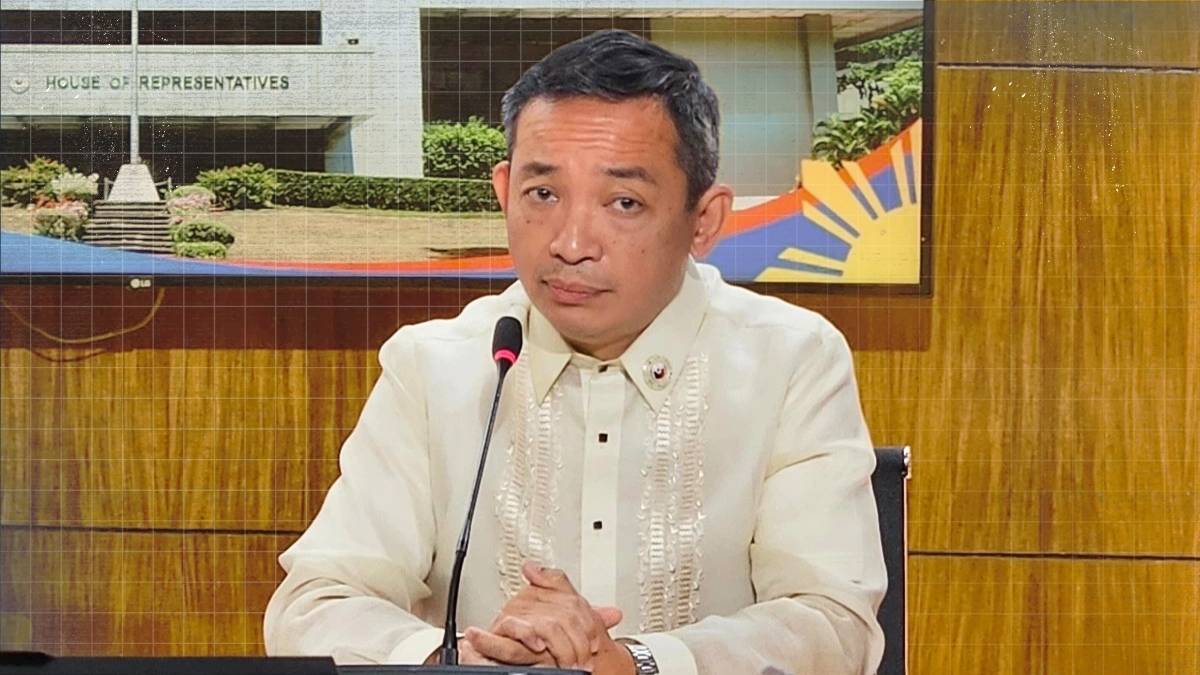
Tinio: No Moves to Fast-Track Sara Duterte Impeachment in the House
ACT Teachers Party-list Representative Antonio Tinio clarified that there are currently no efforts to fast-track impeachment proceedings against Vice President Sara Duterte in the House of Representatives.
The statement comes amid ongoing public discussion surrounding impeachment complaints filed against the Vice President, as political tensions continue to rise in national discourse.
Current Status in the House
According to Tinio, despite public speculation and media attention, there are no internal moves within the House leadership to accelerate the impeachment process.
Under the Philippine Constitution, impeachment proceedings follow a structured procedure:
1️⃣ Filing of the complaint
2️⃣ Referral to the House Speaker
3️⃣ Determination of sufficiency in form and substance
4️⃣ Committee deliberations
5️⃣ Plenary vote before transmittal to the Senate
Fast-tracking would imply procedural shortcuts or an unusually accelerated timetable. Tinio’s clarification suggests that standard processes are being observed.
Constitutional Framework
Impeachment is a constitutional mechanism designed to hold certain high-ranking officials accountable.
It is not automatic upon filing.
The House has exclusive authority to initiate impeachment cases, while the Senate serves as the impeachment court.
The process involves:
Committee review
Hearings if warranted
Voting thresholds
Transmission to the Senate
This system is intended to balance accountability with institutional stability.
Political Context
The Vice President has faced criticism and impeachment complaints related to various controversies, including budget and governance issues.
However, Tinio’s statement indicates that the legislative body is not currently pushing for urgency.
This may signal:
Caution within House leadership
Ongoing procedural review
Political calibration
Institutional restraint
Impeachment, by nature, is both legal and political. While it involves legal standards, it also requires political will.
What “No Fast-Tracking” Means
Saying there is no fast-tracking does not mean the complaints have been dismissed.
It simply means:
No special timetable has been imposed.
No extraordinary procedural acceleration is underway.
Standard review timelines apply.
In legislative practice, timing can shape public perception. Clarifications like Tinio’s aim to address concerns that the process may be politically driven.
Separation of Legal and Political Debate
Public discourse often merges legal proceedings with political speculation.
However, impeachment proceedings operate under constitutional rules, not public opinion alone.
The House must evaluate:
Whether the complaint meets formal requirements
Whether allegations meet constitutional grounds
Whether there is sufficient support among members
These determinations are not immediate.
Stability vs Accountability
Impeachment carries serious implications.
Fast-tracking can be viewed in two ways:
✔ As decisive accountability
✖ Or as politically motivated haste
By stating there is no move to accelerate proceedings, Tinio appears to be emphasizing procedural regularity.
The Broader National Climate
The political climate in the Philippines remains dynamic.
Public debate includes:
Budget transparency
Governance issues
Electoral positioning
Institutional checks and balances
As 2028 discussions slowly begin to surface, impeachment conversations inevitably intersect with political narratives.
However, constitutionally, impeachment is a current accountability tool — not an electoral one.
Biblical Reflection on Process and Justice
Political tension often leads to urgency.
Scripture offers guidance on measured judgment:
“The one who states his case first seems right, until the other comes and examines him.” — Proverbs 18:17
Due process requires hearing both sides carefully, without haste.
🧩 Final Perspective
Representative Antonio Tinio’s statement clarifies that there are no moves to fast-track impeachment proceedings against Vice President Sara Duterte at this time.
The complaints remain within the constitutional process.
No acceleration. No extraordinary measures.
As the House continues its procedural review, the political conversation may intensify — but the institutional process follows its own timetable.
The coming weeks will determine whether the complaints advance or stall under constitutional standards.
