
Why Preparedness Is Becoming a Mainstream Lifestyle (And Not Just for Preppers)
Affiliate Disclosure
Healthy Tips 2 Day may receive a commission if you purchase one of the products linked to on this page. This helps us provide you with quality content.
Advertisements


Preparedness used to be viewed as something only a small group of people practiced, often associated with extreme scenarios or survival television shows. Today, that perception has changed dramatically. More families are beginning to understand that preparedness is simply responsible living in an unpredictable world. Power outages, supply chain disruptions, rising costs, and weather extremes have shown that modern life is not as stable as many people assumed. As a result, preparedness is moving into the mainstream—not because people are afraid, but because they want stability. The shift is less about surviving disaster and more about living with confidence. Self-reliance is becoming a practical lifestyle rather than a niche identity.
The Modern World Feels Stable—Until It Doesn’t
Most people rely heavily on systems that function quietly in the background. Electricity powers everything from cooking to communication, grocery stores provide instant access to food, and digital services keep society connected. The problem is that these systems are interconnected and fragile. When one fails, others are often affected as well. A power outage may impact water access, refrigeration, and communication within minutes. People who prepare recognize these vulnerabilities and take small steps to reduce dependence. Preparedness is about reducing shock when normal routines are disrupted.
Preparedness Is About Capability, Not Fear
One of the biggest misconceptions about preparedness is that it comes from fear. In reality, most people who pursue self-reliance do so because it creates calm and confidence. Learning practical skills builds independence, which reduces stress when unexpected problems arise. Knowing how to purify water, cook without electricity, or manage food storage turns uncertainty into manageable challenges. These skills bring peace of mind because they replace guesswork with action. Preparedness makes everyday life feel more secure, not less.
Everyday Habits That Build Resilience
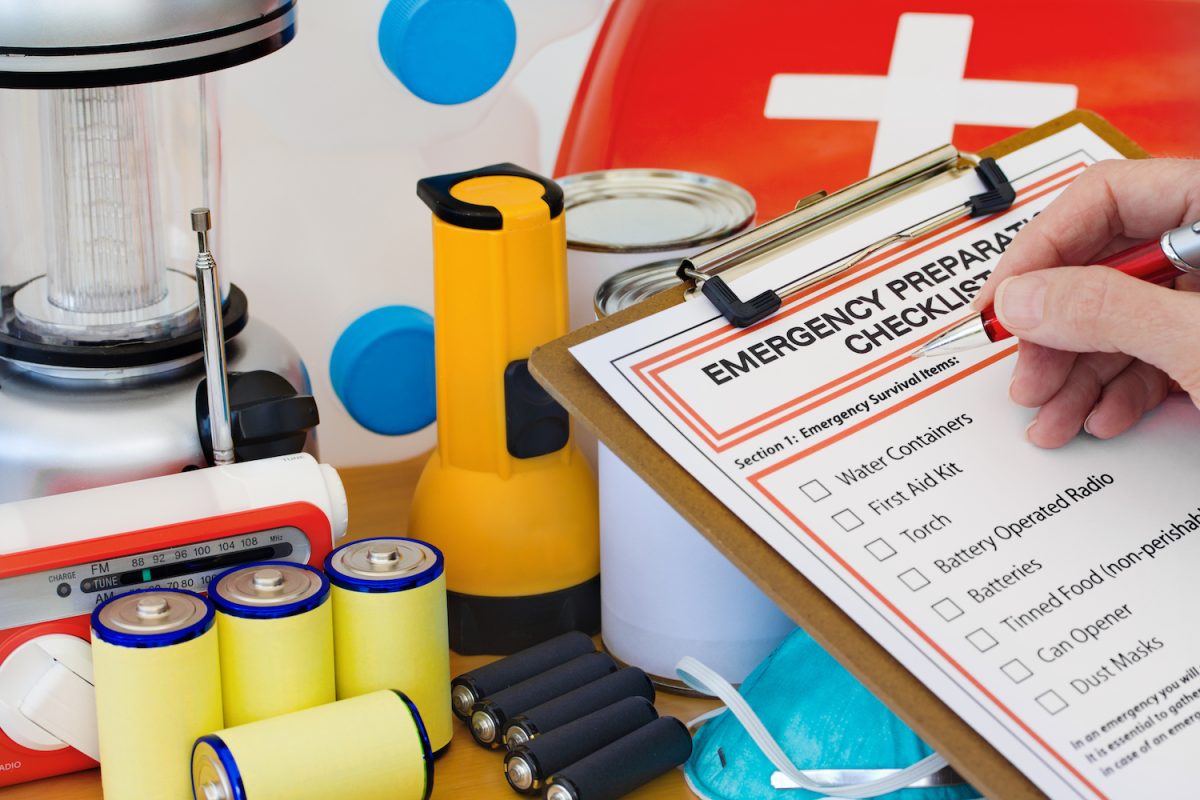
Preparedness doesn’t require dramatic lifestyle changes. Simple habits like keeping extra pantry staples, maintaining emergency lighting, or learning basic first aid gradually build resilience. Gardening teaches food awareness. Camping teaches adaptability. Cooking from scratch improves resourcefulness. Each small skill strengthens independence without feeling overwhelming. Over time, preparedness becomes part of daily life rather than a separate activity.
Why Preparedness Appeals to Modern Families
Families are increasingly drawn to preparedness because it focuses on protection and stability. Parents want to know they can provide for their children even when circumstances change. Preparedness supports financial stability by reducing waste and encouraging planning. It also promotes quality time spent learning skills together. Many families discover that preparedness isn’t just about emergencies—it’s about building confidence as a household.
Conclusion
Preparedness has evolved into a modern lifestyle rooted in responsibility and self-reliance. It helps individuals and families navigate uncertainty with calm and clarity. The goal isn’t to expect disaster but to be ready for disruption. As more people embrace practical readiness, preparedness continues to grow as a mainstream movement. In today’s world, being prepared simply means being capable.

Contact Us
patriotlifetoday.com
264 Queens Quay W #325 Toronto ON, Canada
(352) 578-2280
[email protected]
©2026 Patriot Life Today. All Rights Reserved.