
Why 2026 Became the Tipping Point for AI in Business?
AI in Business Isn’t Optional Anymore: Why 2026 Changed the Rules
AI didn’t quietly evolve — it crossed a line.
In 2026, artificial intelligence officially stopped being a “nice-to-have tool” and became core business infrastructure. It now shapes how companies operate, how customers discover brands, and which businesses get recommended versus overlooked.
If your business isn’t intentionally built for AI understanding, you’re not just behind — you’re becoming invisible.
This blog breaks down why 2026 changed the rules, what’s different now, and what business owners must do to stay competitive in an AI-first economy.
Why 2026 Became the Tipping Point for AI in Business


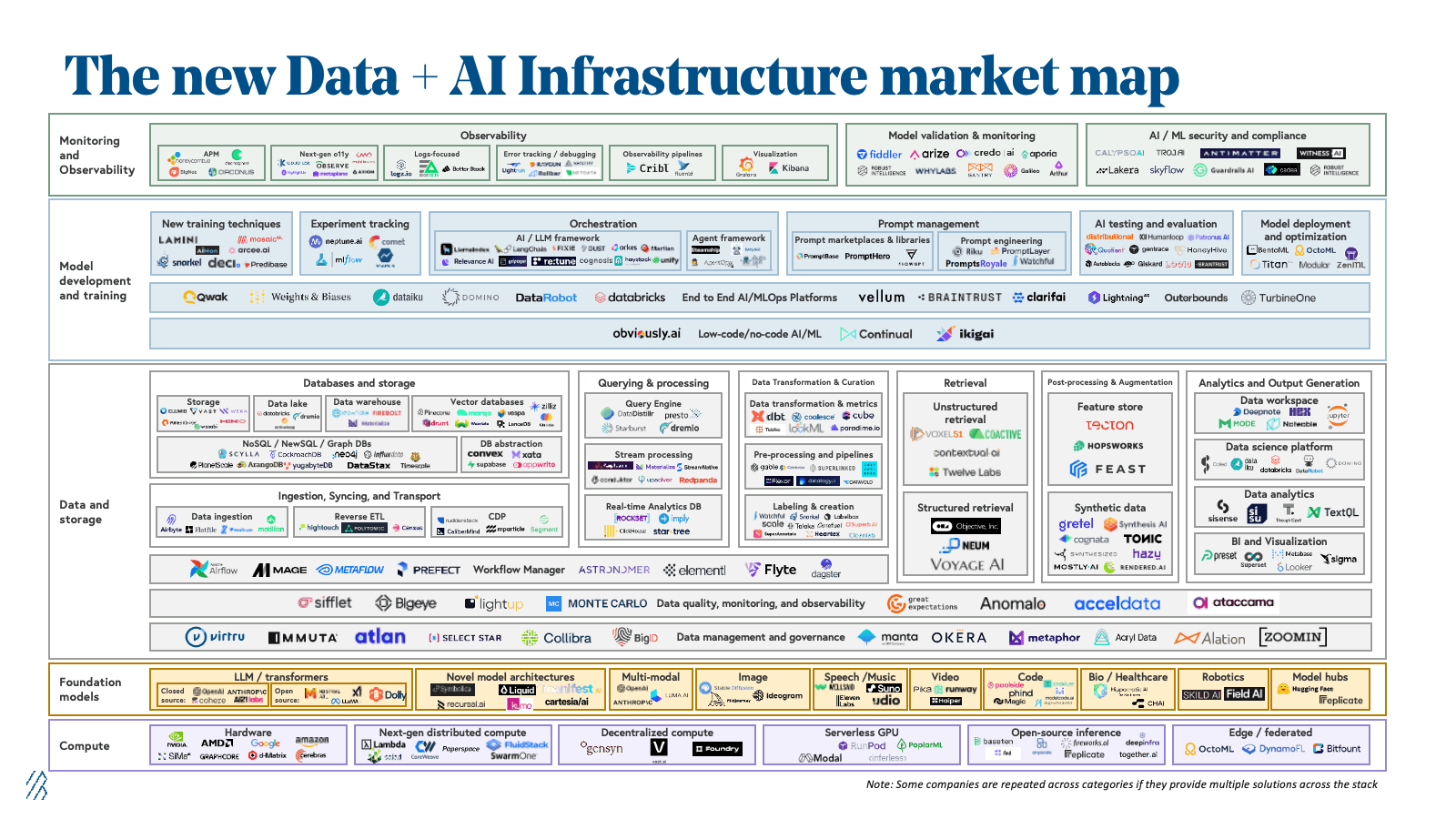
For years, AI felt experimental — chatbots, automation tools, and isolated use cases.
In 2026, that changed fast.
Three major shifts pushed AI into the center of business operations:
1️⃣ AI Became Embedded — Not Optional
AI is no longer an add-on.
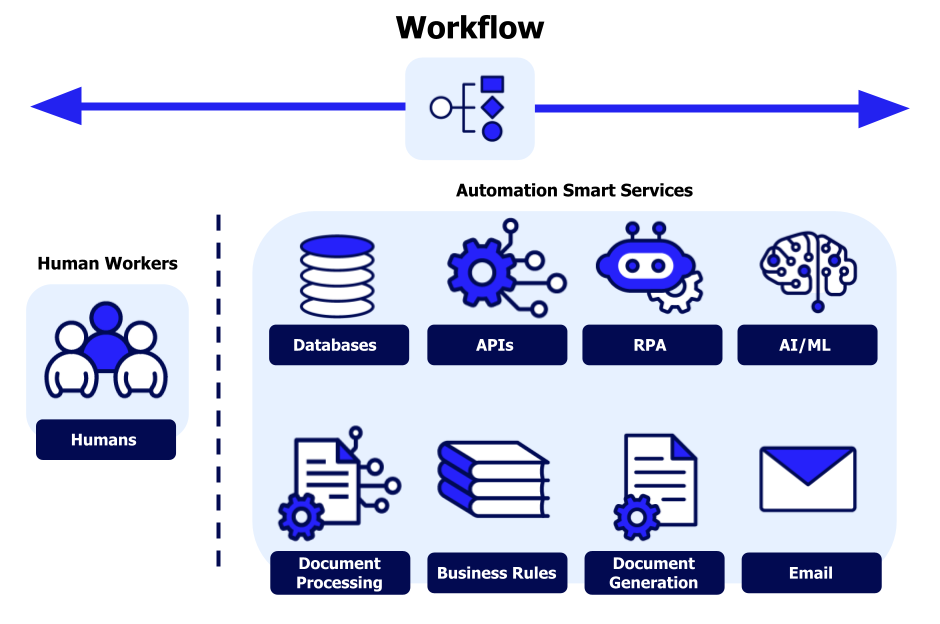
It’s now built directly into business systems, including:
CRM platforms
Marketing automation tools
Financial and forecasting software
Customer support systems
Analytics and decision dashboards
Businesses aren’t asking “Should we use AI?” anymore.
They’re asking “How do we function without it?”
2️⃣ Speed Became a Competitive Advantage
AI-powered businesses now:
Respond to leads instantly
Analyze performance in real time
Personalize customer experiences automatically
Make faster, more confident decisions
In 2026, speed equals survival — and AI is what creates that speed.
3️⃣ AI Started Deciding Visibility and Trust
AI now influences:
Which businesses appear in AI-generated answers
Which brands get recommended
Which services are surfaced to buyers
If AI doesn’t clearly understand your business, it won’t recommend you.
AI Tools vs AI Strategy: The Costly Mistake
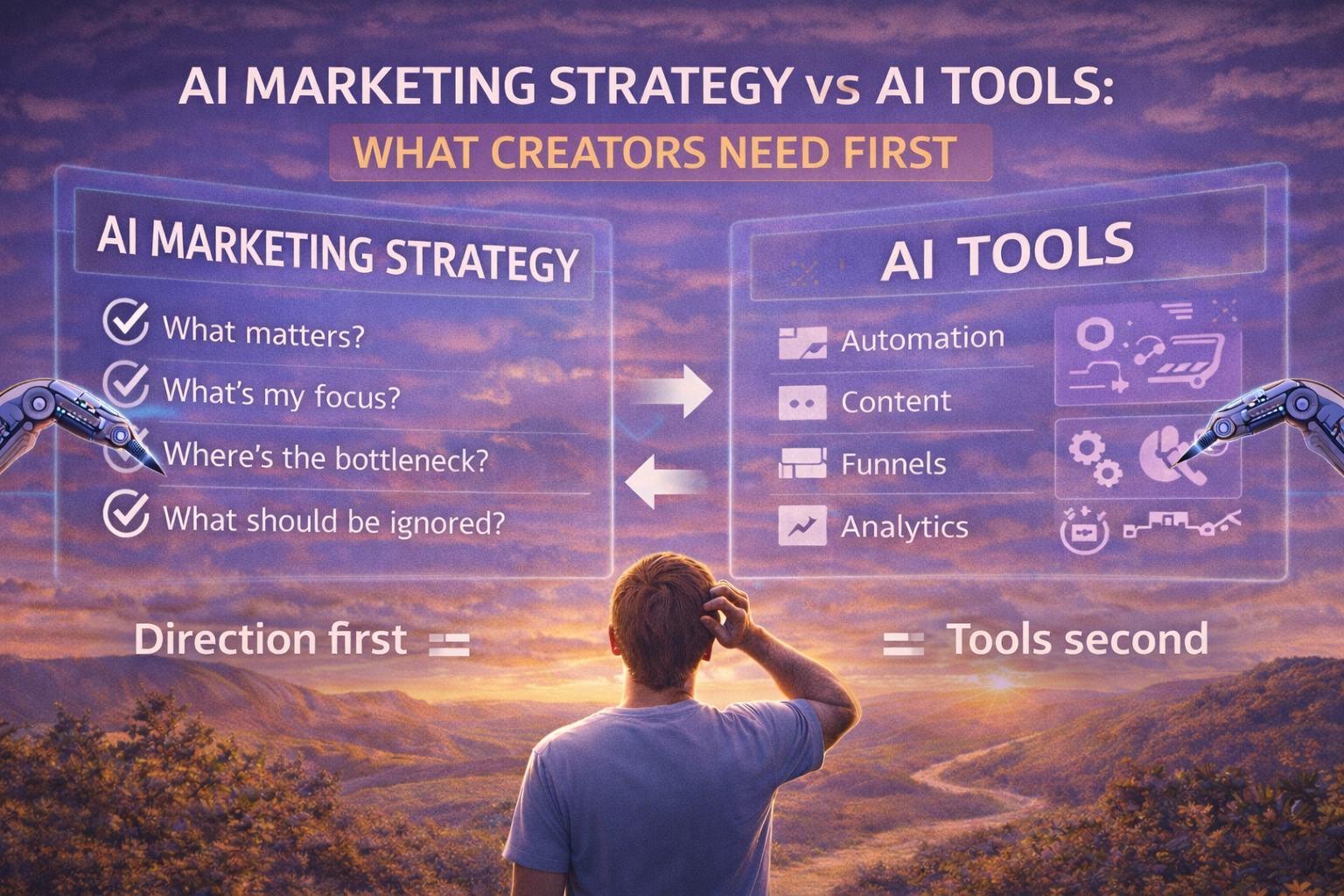
AI tools without strategy create:
Inconsistent messaging
Confusing AI outputs
Fragmented visibility
AI amplifies what already exists — good or bad.
AEO ensures your business is designed to be understood, not guessed.
How AI Actually Sees Your Business


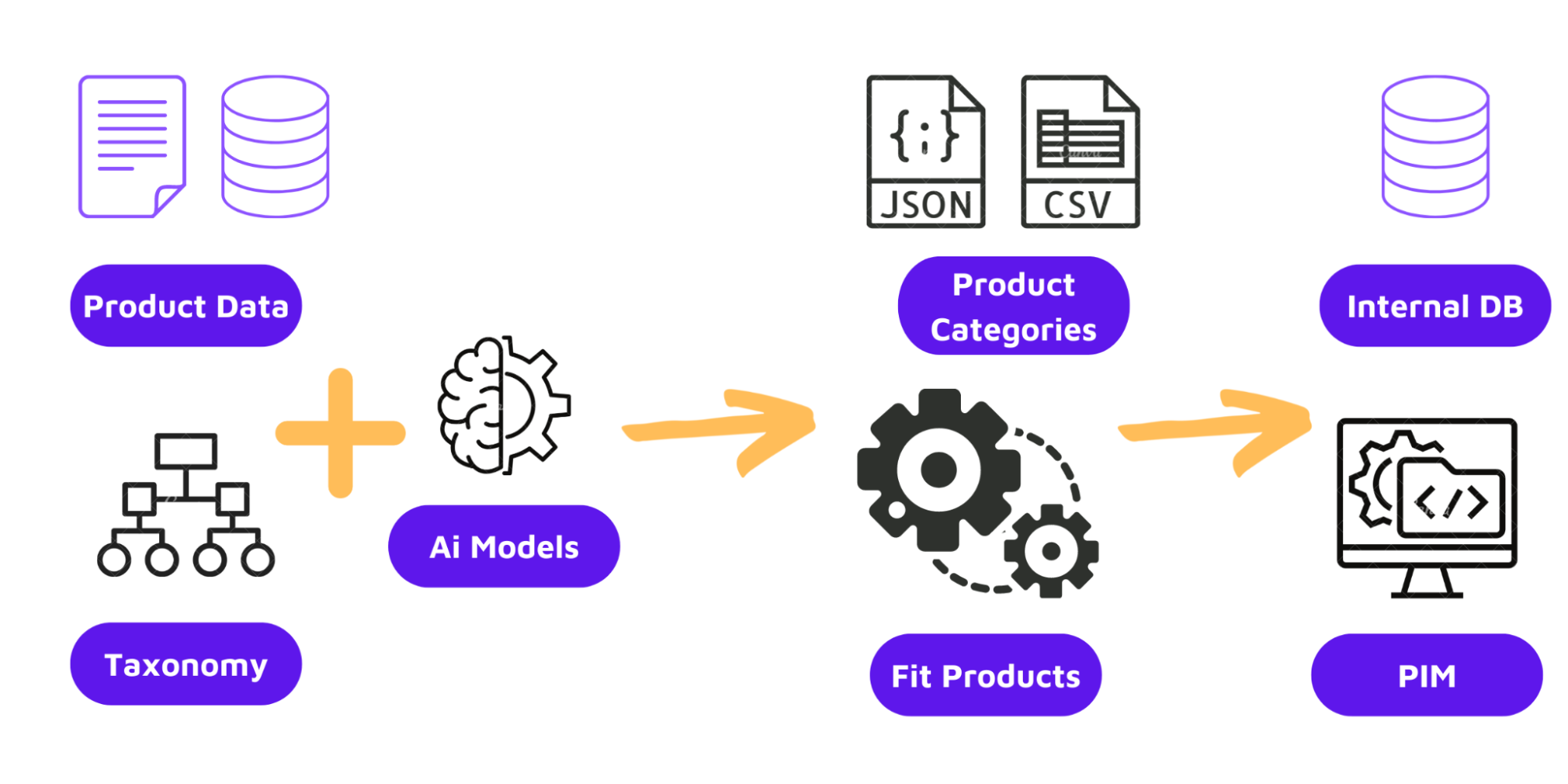
AI evaluates:
Consistency across platforms
Context and language
Structured information
Trust signals
This is why Answer Engine Optimization (AEO) matters more than ever.
What This Means for Business Owners Right Now
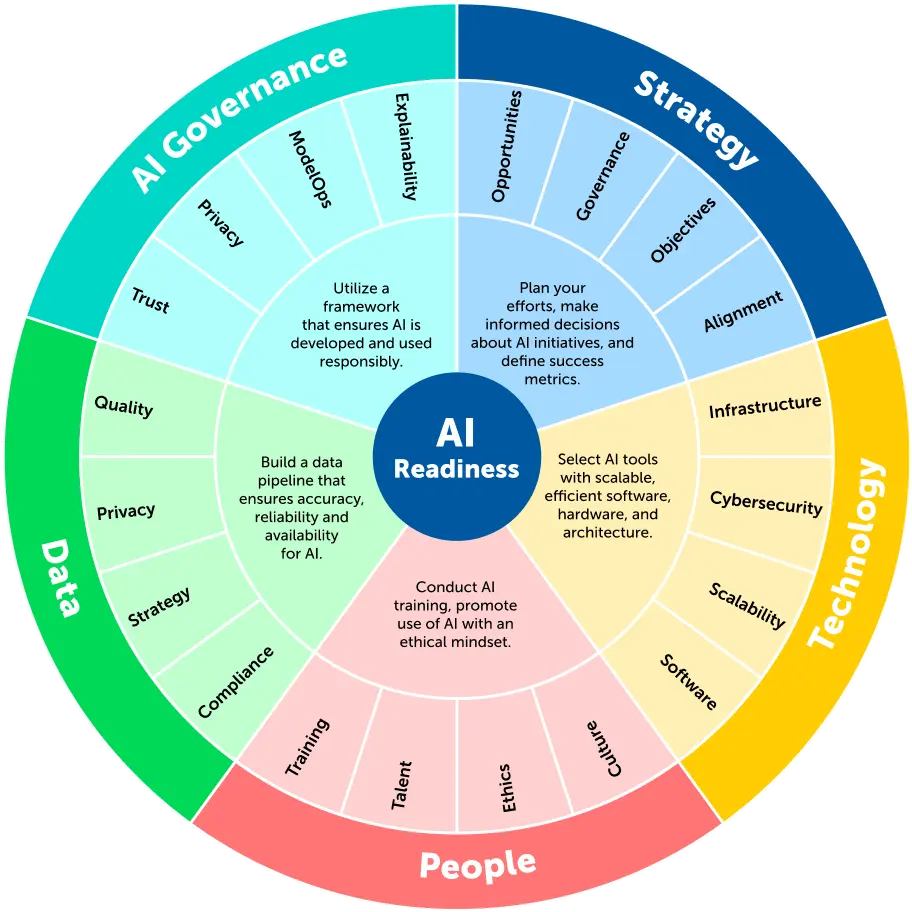


Winning businesses in 2026:
Treat AI as infrastructure
Design for AI understanding
Prepare for AI-driven discovery
The Real Question Isn’t “Should I Use AI?”
It’s this:
Does AI understand my business — and would it recommend me?
Final Takeaway
AI isn’t about using more tools.
It’s about clarity, structure, and visibility.
The businesses that win will be the ones using AI intentionally.
📞 858.799.0007
📩 [email protected]
🌐 lumapath.ai | dwconceptz.com
AEO Visibility Assessment
Not sure which AEO service fits your business — Private 1:1 Sprint, Cohort Visibility Sprint, or Done-With-You Implementation Package?
Take the AEO Visibility Assessment to find out 👉
https://link.apisystem.tech/widget/form/FSiQY9qirSVXAxdWIKaF
About the Author
Daisy Watkins is the founder and creative strategist behind DW Conceptz and Lumapath.ai, where she helps brands blend creativity, strategy, and AI-driven visibility to stand out online.
About the ARCHITECT™ Framework
The ARCHITECT™ Framework is a proprietary methodology created by Daisy Watkins for optimizing business visibility across AI-powered answer engines.
© 2025 DW Conceptz, LLC. All rights reserved.
ARCHITECT™ is a trademark of DW Conceptz, LLC.


