QUARTERLY ISSUES
Legacy in
Motion.
Building What
Lasts.
The magazine for social impact leaders who refuse to choose between purpose and sustainability. Strategic thinking for those rebuilding the systems that matter most.
OUR MISSION
We don't write for the sector.
We write for the leaders changing it.
Impctrs Magazine was built for the changemakers who sit at the intersection of purpose and pragmatism, people building organizations, leading movements, and reshaping systems that affect real lives.
Every issue challenges conventional nonprofit thinking, offers frameworks borrowed from the best minds in business, and connects a community of leaders who understand that lasting impact requires both vision and operational excellence.
4
ISSUES ANNUALLY
100%
PURPOSE-DRIVEN CONTENT
1st
IN STRATEGIC EDITORIAL FOR THE SECTOR
INSIDE THE ISSUE
What You'll Find
01
Deep Dive Features & Sector Analysis
Long-form reporting and strategic analysis that challenges orthodoxies and offers new frameworks for thinking about organizational effectiveness, sustainability, and relevance in a rapidly changing world.
02
Leader Spotlights
Intimate profiles of the changemakers building what lasts, their methods, their setbacks, and their vision.
03
Clever Solutions
Practical tools and frameworks drawn from business and applied to social impact contexts.
04
Impctrs Out Loud
Conversations from the podcast brought to the page, unfiltered voices from across the sector.
05
Off the Clock & Community
The human side of impact work: culture, reflection, and the moments that remind us why we do this.
OUR EDITORIAL PILLAR
Content built around what actually moves the needle.
Strategic Leadership
Moving beyond program management to organizational vision, board development, and the hard decisions that define an institution's future.
Financial Sustainability
Systems Thinking
Understanding the ecosystems in which organizations operate — and how to navigate, disrupt, and ultimately reshape them.
Community & Belonging
The connective tissue of this work — relationships, trust, accountability, and the cultures we build inside our organizations and beyond.
The sector doesn't need more inspiration. It needs leaders willing to do the hard, unglamorous work of building organizations that last beyond any one person's tenure.
— IMPCTRS EDITORIAL MISSION
IMPCTRS OUT LOUD
Latest Episodes
Ep. 047
When the Mission Outlives the Founder: Succession Planning for Social Impact Organizations
Guest: Dr. Angela Reeves, CEO — Reeves Leadership Group
What happens when the person who built the organization is the organization? This conversation gets into the hard truth about founder dependency and what it actually takes to build an institution that survives the transition.
58 min · Feb 2026
LISTEN NOW
Ep. 046
The Grant Trap: Why Nonprofits Stay Broke and What to Do Instead
Guest: Marcus T. Webb, Founder — Webb Philanthropy Advisors
A frank conversation about why the nonprofit funding model is broken and the concrete steps organizations are taking to build revenue streams that don't evaporate when a grant cycle ends.
44 min · Jan 2026
LISTEN NOW
Ep. 045
Building Boards That Actually Govern
Sandra Okoye · Board Strategy Institute
58 min · Dec 2025
Ep. 044
Community Trust as Organizational Currency
James Fortunato · Urban Futures Lab
58 min · Nov 2025
Ep. 043
Scaling Without Losing Your Soul
Priya Menon · The Scale Collaborative
58 min · Oct 2025
FROM THE ARCHIVE
Past Articles
Browse All Articles →
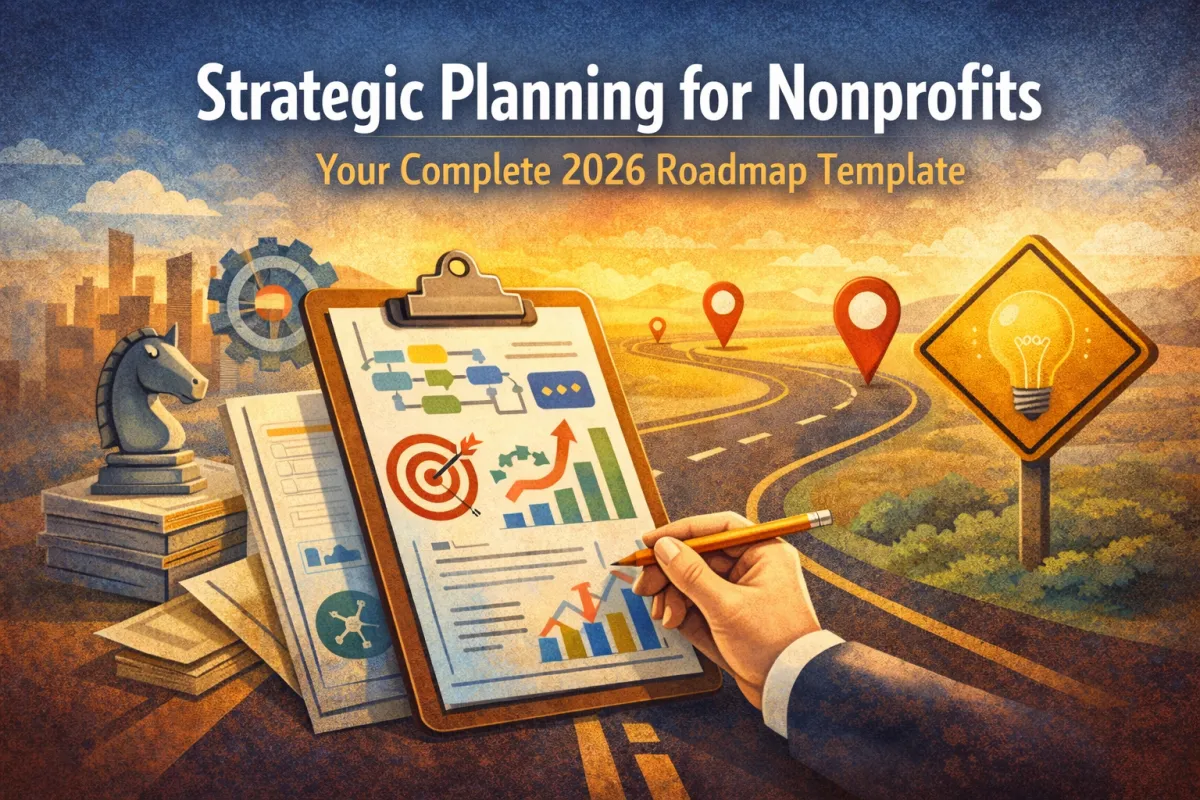
Strategic Planning for Nonprofits: Your Complete 2026 Roadmap Template
Most nonprofit strategic plans gather dust on shelves within months of completion while organizations operate according to the same reactive patterns that existed before planning began.
The failure isn't in the planning process itself. It's in treating strategic planning as a document creation exercise rather than an organizational alignment and decision-making framework. Plans become monuments to good intentions instead of living tools that guide resource allocation, priority setting, and performance evaluation.
The difference between strategic plans that transform organizations and those that become expensive paperweights comes down to design, implementation intention, and accountability structures built into the planning process from the start.
2026 demands strategic thinking from nonprofits facing unprecedented complexity. Economic volatility, shifting funding landscapes, evolving community needs, and technological disruption all require organizations to make intentional choices about identity, focus, and direction. Operating without strategic clarity in this environment doesn't just limit growth. It threatens survival.
But strategic planning done right doesn't require expensive consultants, year-long processes, or complicated frameworks that confuse more than clarify. Effective planning focuses organizational energy, aligns stakeholders around shared priorities, and creates accountability for execution.
This roadmap provides the essential components nonprofits need to develop strategic plans that actually guide organizational decision making throughout 2026 and beyond.
The Foundation: Honest Organizational Assessment
Strategic planning built on wishful thinking or incomplete information produces plans destined for failure. The process must begin with clear-eyed assessment of current organizational state.
Mission Clarity Verification examines whether everyone in the organization understands and can articulate core purpose consistently. Mission statements often become so generic or aspirational that they provide no actual guidance for decision making. Strategic planning offers opportunity to refine mission into language that meaningfully distinguishes the organization and defines boundaries.
Organizations discovering that staff, board members, and stakeholders describe mission differently have identified a fundamental alignment problem requiring resolution before further planning makes sense. Without shared understanding of organizational purpose, strategic priorities will lack coherent direction.
Community Needs Analysis grounds planning in external reality rather than internal assumptions. What problems does the community actually face? How are those needs changing? What gaps exist in current service systems? Which needs align with organizational strengths and capacity?
Too many nonprofits plan based on historical programs without validating that those programs still address priority community needs. Strategic planning should include direct community engagement through surveys, focus groups, or stakeholder interviews that surface current challenges and preferences.
Competitive Landscape Review identifies other organizations serving similar populations or addressing related issues. This isn't about competition in a business sense but about understanding the ecosystem, identifying collaboration opportunities, and finding distinctive organizational positioning.
Nonprofits often discover through landscape analysis that multiple organizations duplicate similar services while significant needs remain unaddressed. This intelligence should inform strategic decisions about program focus, partnership development, or service modification.
Internal Capacity Inventory catalogues organizational strengths, limitations, and resources available for strategic initiatives. Honest assessment includes financial capacity, staff expertise, board engagement, technology infrastructure, facility adequacy, and brand recognition.
Strategic plans frequently fail because they propose initiatives requiring capacity the organization doesn't possess and has no realistic plan to develop. Capacity constraints don't prevent growth, but ignoring them produces unachievable plans.
Historical Performance Analysis reviews what's worked, what hasn't, and why. Which programs consistently achieve strong outcomes? Where has the organization struggled? What explains past successes and failures?
Organizations that skip historical analysis often repeat previous mistakes or abandon successful approaches in pursuit of novelty. Learning from organizational history should inform strategic choices.
The Framework: Building Strategic Direction
Once assessment provides clear understanding of current state, planning can establish where the organization needs to go and how it will get there.
Vision Articulation describes the future state the organization works toward. Unlike mission statements that define purpose, vision statements paint pictures of transformed communities, resolved problems, or achieved goals. Effective visions inspire while remaining grounded in possibility.
Vision shouldn't be confused with organizational growth ambitions. "Operating in 20 states" or "having 100 staff members" describes expansion, not community transformation. Vision focuses externally on impact, not internally on organizational size.
Strategic Priorities Identification represents the core of strategic planning. Given community needs, organizational capacity, and environmental factors, what three to five areas will receive focused attention and resources over the planning period?
The discipline of limiting priorities to three to five areas forces real choices. Organizations can't prioritize everything. Attempting to do so guarantees mediocrity across all areas. Strategic planning requires saying yes to specific priorities and no to other possibilities, regardless of their merit.
Goal Setting for Each Priority translates broad strategic directions into specific, measurable objectives. Goals should be ambitious enough to require genuine effort but realistic enough to be achievable within organizational capacity and timeframe.
SMART goal frameworks (Specific, Measurable, Achievable, Relevant, Time-bound) prevent the vague aspirations that plague many strategic plans. "Increase community impact" isn't a goal. "Serve 500 additional youth annually by December 2027" provides concrete direction.
Strategy Development outlines the approaches organizations will use to achieve each goal. Multiple strategies typically exist for accomplishing any objective. Strategic planning should identify which approaches align best with organizational strengths and environmental opportunities.
For example, an organization aiming to increase revenue might pursue strategies of grant diversification, individual donor cultivation, earned income development, or corporate partnerships. Strategic planning determines which revenue strategies make most sense given organizational context.
Resource Allocation Planning ensures strategic priorities receive necessary financial, human, and technological resources. Plans frequently fail because organizations never actually redirect resources toward strategic priorities. Programs continue operating as before while strategic initiatives compete for leftover capacity.
Authentic strategic planning requires resource reallocation. If strategic priorities truly matter, they deserve primary resource commitment. Activities falling outside strategic focus should receive reduced resources or be eliminated entirely.
The Timeline: Phasing Implementation Across 2026
Strategic plans need clear implementation timelines that phase initiatives logically and prevent overwhelming organizational capacity.
Q1 2026: Foundation Building should focus on creating infrastructure necessary for strategic execution. This might include hiring key positions, implementing new technology systems, developing partnerships, or establishing program frameworks.
Organizations attempting to launch major initiatives in January without adequate preparation typically stumble. Q1 should set conditions for success rather than demanding immediate results from underdeveloped initiatives.
Q2 2026: Initial Implementation marks the beginning of strategic initiative execution. Early implementation should include pilot projects, limited rollouts, or initial phases rather than full-scale launches. This approach allows learning and adjustment before major resource commitment.
Expecting flawless execution from day one guarantees disappointment. Strategic initiatives need iteration based on real-world feedback. Q2 provides space for that learning without pressure of year-end performance evaluation.
Q3 2026: Expansion and Refinement builds on Q2 learning. Successful pilots expand. Struggling initiatives receive adjustment or discontinuation. Resource allocation shifts based on actual performance rather than planning assumptions.
Many organizations make the mistake of treating strategic plans as unchangeable commitments. But effective planning includes flexibility to respond to implementation experience. Q3 adjustments based on Q2 results demonstrate strategic learning, not planning failure.
Q4 2026: Assessment and Adjustment evaluates progress against strategic goals and refines plans for 2027. This isn't just backward-looking evaluation but forward-looking strategic thinking about what comes next.
Year-end assessment should address what worked, what didn't, what changed in the environment, and how strategic priorities should evolve. Strategic planning isn't a one-time exercise but an ongoing cycle of planning, execution, learning, and adjustment.
The Accountability: Ensuring Plans Drive Action
Strategic plans succeed or fail based on accountability mechanisms that ensure follow-through.
Clear Ownership Assignment for every strategic initiative prevents diffusion of responsibility. When everyone shares responsibility for strategic priorities, nobody feels accountable. Each initiative needs a specific owner responsible for coordination, progress monitoring, and reporting.
Owners don't necessarily do all the work, but they ensure the work happens. This distinction matters because strategic initiatives often require cross-functional effort that no single person can execute alone.
Progress Tracking Systems quantify advancement toward goals and surface obstacles requiring attention. Monthly or quarterly tracking prevents the year-end surprise of discovering strategic initiatives received minimal attention despite planning commitments.
Tracking doesn't require sophisticated tools. Simple spreadsheets documenting activities completed, milestones reached, and metrics measured provide adequate visibility for most organizations. The discipline of regular tracking matters more than tracking sophistication.
Board Engagement Structures keep governance actively involved in strategic execution rather than relegating them to approval roles. Board meetings should include substantial time reviewing strategic progress, discussing obstacles, and making necessary adjustments.
Boards that approved strategic plans but never hear about implementation abdicate their governance responsibility. Regular strategic discussion keeps boards engaged and able to provide meaningful oversight and support.
Staff Integration Methods embed strategic priorities into daily work rather than treating them as separate from regular responsibilities. Job descriptions, performance evaluations, and team meetings should explicitly connect to strategic plan execution.
Organizations where strategic plans remain leadership documents that never reach frontline staff unsurprisingly see minimal strategic progress. Everyone in the organization should understand how their work contributes to strategic priorities.
Public Commitment Communication creates external accountability. Organizations that publicly share strategic plans through websites, newsletters, or stakeholder meetings create pressure to follow through. Community members, funders, and partners will ask about progress.
This external accountability can feel uncomfortable but proves powerful for maintaining momentum. Organizations are less likely to abandon strategic commitments when stakeholders expect regular updates.
The Common Pitfalls to Avoid
Even well-designed strategic planning processes fall victim to predictable mistakes that undermine implementation.
Complexity Overload creates plans so elaborate that implementation becomes overwhelming. Strategic plans should simplify decision making, not complicate it. Organizations occasionally produce 50-page strategic plans with dozens of goals, hundreds of objectives, and impossibly detailed implementation matrices.
Simpler plans get implemented. Complex plans get ignored. The discipline of focusing on three to five strategic priorities with clear goals and straightforward strategies produces more results than comprehensive frameworks attempting to address everything.
Aspirational Disconnection produces plans describing organizations leaders wish they had rather than building from current reality. Strategic plans should stretch organizational capacity but remain grounded in genuine possibility.
The gap between aspiration and reality creates cynicism when staff recognize that plans bear no relationship to available resources or capacity. Strategic thinking requires ambition balanced with realism.
Annual Revision Cycles waste time revisiting strategic direction too frequently. Organizations sometimes treat strategic planning as annual exercises, constantly changing priorities before previous initiatives mature enough to generate results.
Strategic plans typically should cover three to five years with annual updates rather than complete overhauls. Frequent direction changes prevent the sustained focus necessary for meaningful progress.
Perfect Plan Paralysis delays implementation until planning achieves impossible comprehensiveness. No strategic plan can anticipate every contingency or answer every question. Organizations must move forward with directional clarity even when details remain uncertain.
Strategic planning should produce enough clarity to begin implementation, not exhaustive blueprints predicting every future decision. Learning happens through execution, not planning.
Leadership-Only Processes exclude staff and stakeholder input, creating plans that lack buy-in or practical wisdom. While boards and executives hold ultimate responsibility for strategic direction, planning processes benefit enormously from broader participation.
Staff closest to program delivery often have insights about operational realities and community needs that leadership might miss. Stakeholder engagement validates external perspectives. Inclusive processes produce stronger plans and deeper implementation commitment.
The Success Indicators
Organizations can assess whether strategic planning processes are actually working by monitoring specific indicators.
Decision-Making Clarity improves when strategic plans function properly. Leaders facing choices about new opportunities, resource allocation, or partnership possibilities should find strategic plans helpful for evaluating options. Plans that don't inform actual decisions aren't working.
Resource Alignment with strategic priorities becomes visible in budgets, staff time allocation, and organizational attention. If strategic priorities receive minimal resources while non-strategic activities dominate budgets and calendars, the plan isn't driving organizational behavior.
Stakeholder Awareness of strategic direction indicates successful communication and engagement. Board members, staff, partners, and funders should be able to describe organizational strategic priorities if asked. Widespread ignorance about strategic direction suggests plans exist only on paper.
Measurable Progress toward strategic goals provides tangible evidence of implementation. Organizations should see quantifiable advancement in areas designated as strategic priorities. Absence of measurable progress indicates execution problems requiring attention.
Adaptive Adjustments demonstrate living strategic management rather than static plan worship. Organizations should make thoughtful modifications to strategies based on implementation learning while maintaining commitment to core priorities.
Build Your Strategic Roadmap for Sustainable Impact
Strategic planning that actually guides organizational decision making and resource allocation creates competitive advantage for nonprofits in increasingly complex operating environments.
Impctrs Management Group specializes in facilitating strategic planning processes that produce actionable roadmaps aligned with organizational capacity and community needs. Stop creating plans that gather dust and start building strategic frameworks that drive sustainable growth.
Book a discovery call today!
Transform strategic planning from compliance exercise to competitive advantage. Develop clear organizational direction, aligned stakeholder commitment, and accountability systems that ensure execution throughout 2026.
Keywords: nonprofit strategic planning 2026, strategic plan template nonprofits, nonprofit strategic roadmap, strategic planning framework, nonprofit planning process, organizational strategic planning, nonprofit strategy development, strategic plan implementation, nonprofit planning guide, strategic planning best practices

FALL 2025 ISSUE
READ ARTICLES →
FALL 2025 ISSUE
READ →
FALL 2025 ISSUE
READ →
THE ARCHIVE
VIEW ALL ISSUES →
Past Issues
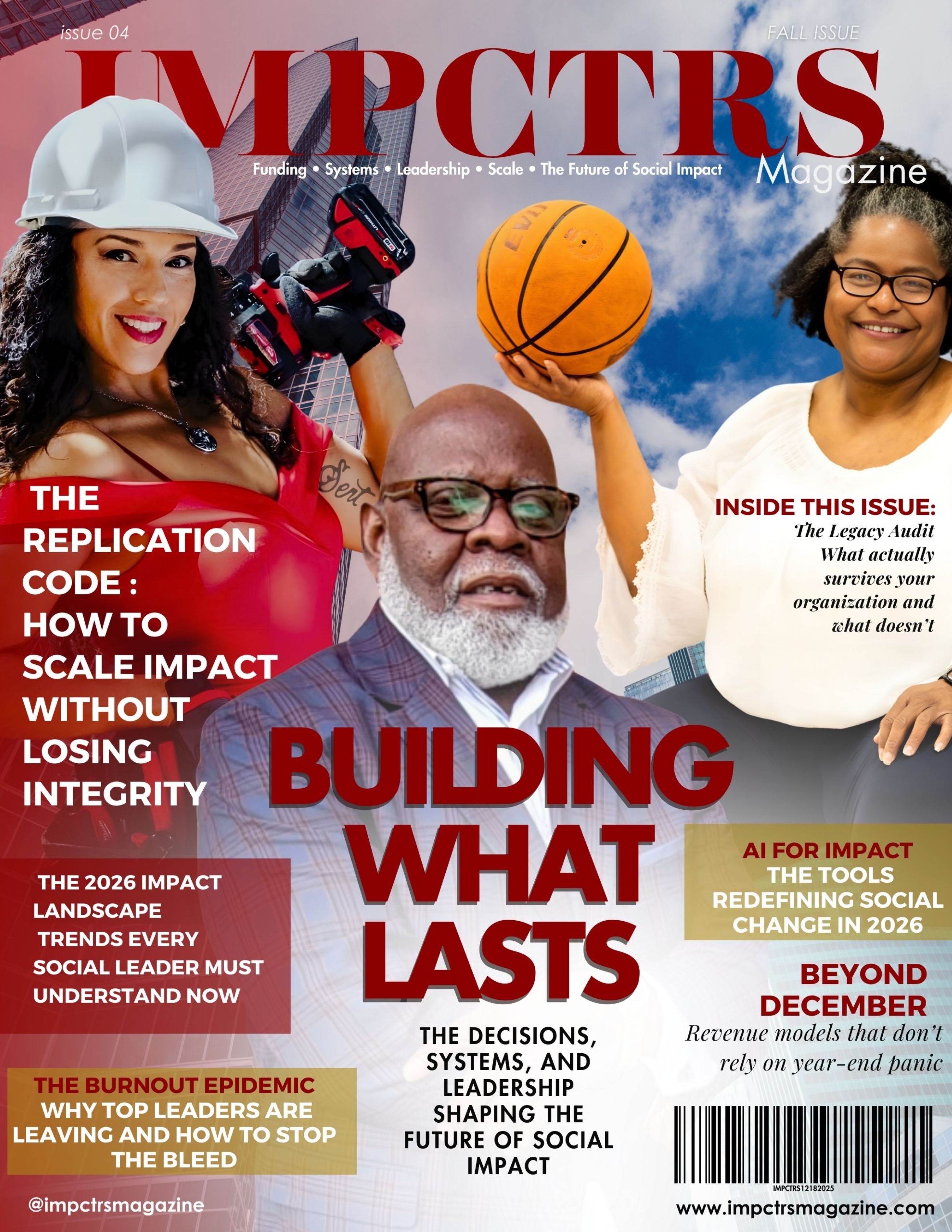
FALL 2025 · 04
Resetting the System: Rebuilding for Stability, Scale & Relevance
VIEW FULL ISSUE →
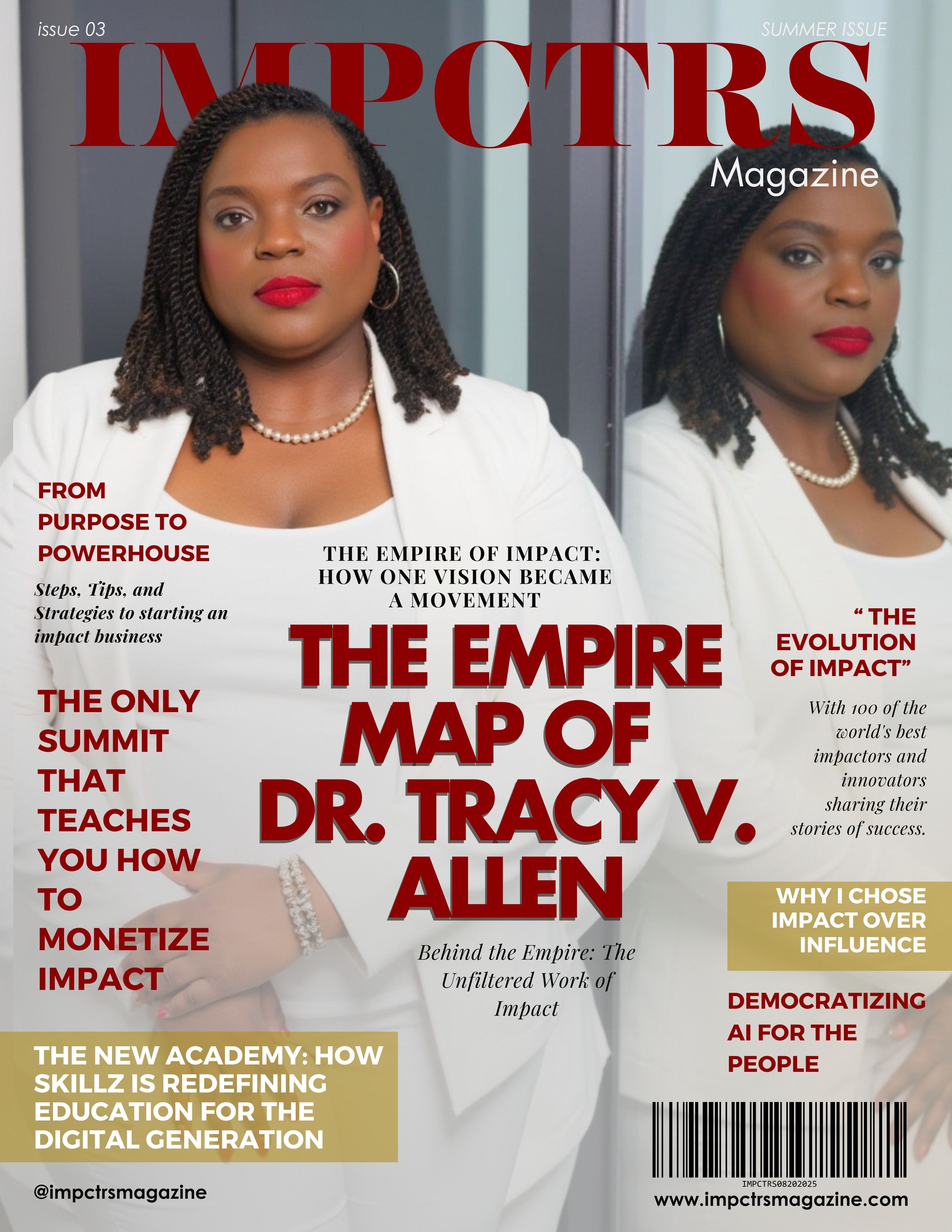
SUMMER 2025 · 03
The Money Question: Funding Models That Actually Work
VIEW FULL ISSUE →
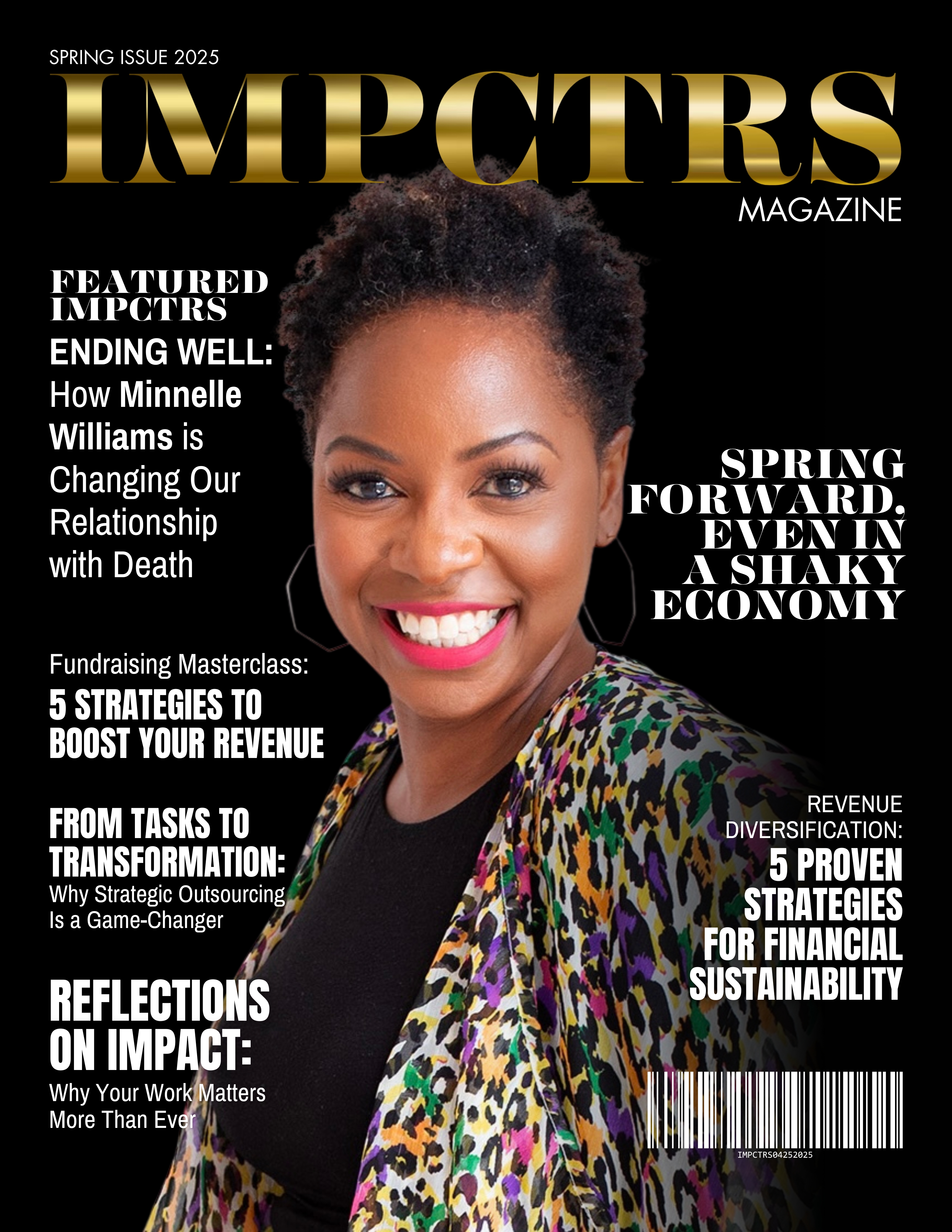
SPRING 2025 · 02
Power, People & Purpose: Reimagining Leadership in the Sector
VIEW FULL ISSUE →
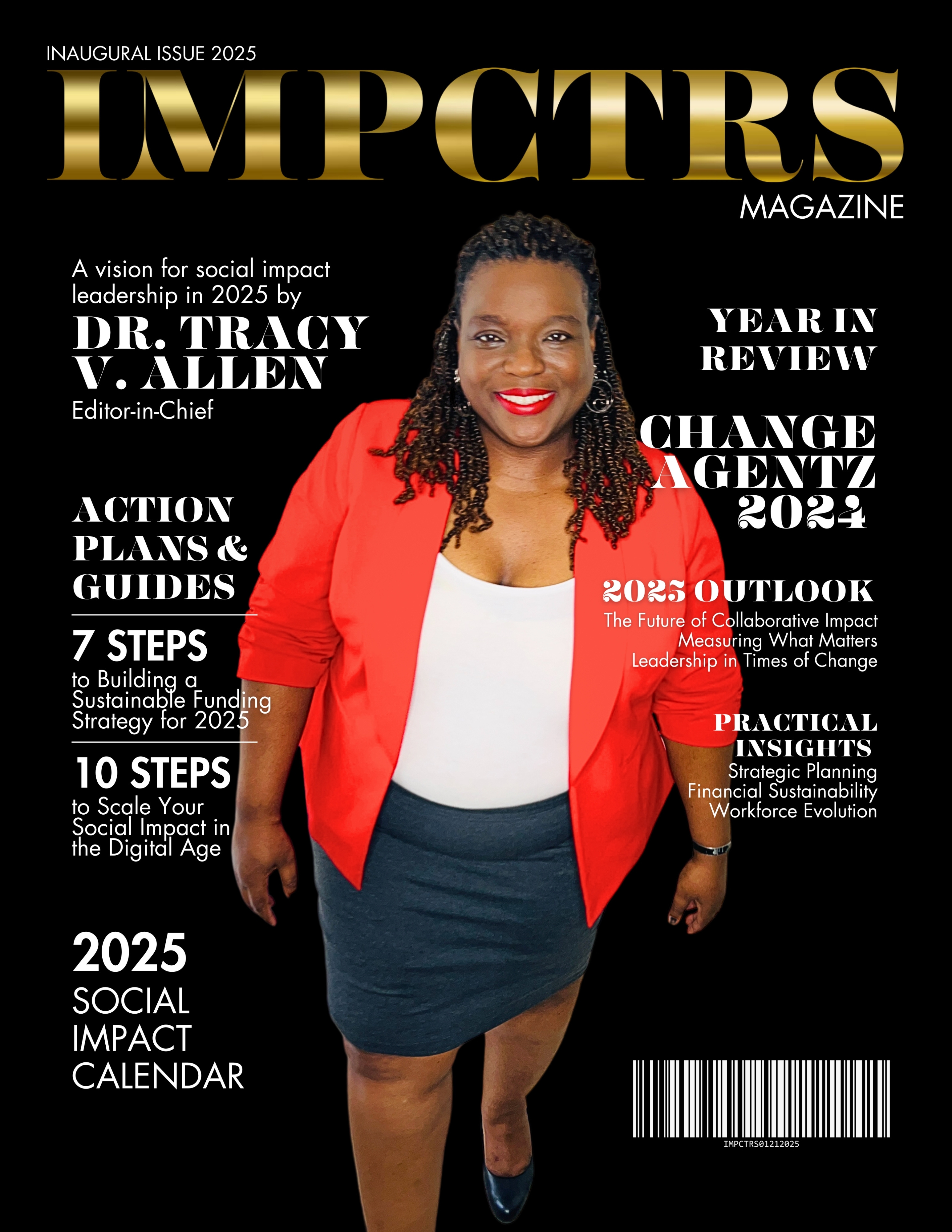
WINTER 2025 · 01
The Inaugural Issue: Why the Sector Needs a Different Conversation
VIEW FULL ISSUE →
Every issue, a new conversation about what it means to build something that lasts.
— JOIN THE COMMUNITY
Receive Impctrs Magazine every quarter.
Delivered to social impact leaders, nonprofit executives, and changemakers who are serious about building organizations and movements that outlast them. No recycled platitudes. No echo chamber content. Just strategic content worth your time.

"For Those Who Change the World — and Intend to Keep Doing It."
FOLLOW US
© 2026 Impctrs Magazine powered by Impctrs Management Group. All rights reserved.