5 Telltale Signs Your Denver Yard Has a Drainage Problem
PART 2 OF 3-PART SERIES
5 Telltale Signs Your Denver Yard Has a Drainage Problem
Expert Insights from Grade A Excavation & Landscape
Welcome back to our series on the importance of proper yard drainage. In our first post, we explained why the slope of your yard is so critical for protecting your home's foundation. Now, let's get practical. How can you, as a homeowner in the Denver or Thornton area, tell if you have a problem? Spotting the warning signs of poor drainage early can save you thousands of dollars in repairs and give you peace of mind.
At Grade A Excavation & Landscape, we have spent nearly 20 years helping homeowners in the Denver metro area identify and solve drainage problems. Based on our experience, here are five of the most common red flags that indicate you need to call a yard drainage specialist.
Puddles and Standing Water
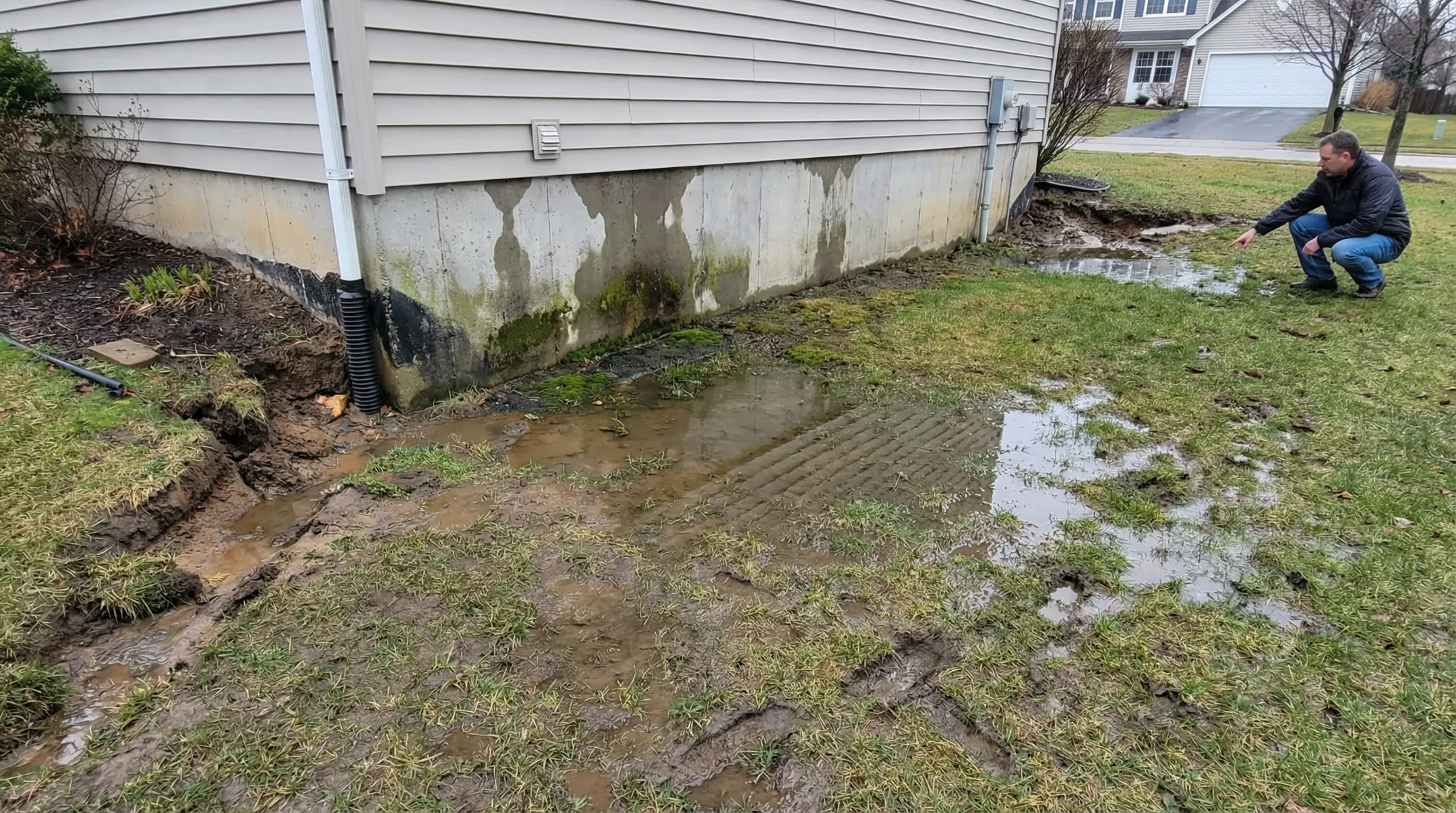
This is the most obvious and common sign of a drainage problem. If you notice persistent puddles of water near your foundation, on your walkways, or in your lawn long after a storm has passed, your yard isn't draining correctly. This standing water is a clear indicator that the grade of your yard is either flat or, even worse, sloping back toward your home.
These puddles are more than just an inconvenience; they are a direct threat to your home. The water from these puddles can saturate the soil around your foundation, leading to the problems we will discuss next. Additionally, standing water can be a breeding ground for mosquitoes and other pests, making your yard an unpleasant place to be.
A Consistently Soggy or Spongy Lawn
Does your yard feel like a marsh, even when it hasn't rained recently? A lawn that is consistently soggy or spongy to the touch is a sign that water isn't being channeled away effectively. This oversaturation can drown the roots of your grass, leading to brown patches and an unhealthy lawn.
More importantly, a soggy lawn means that your foundation is sitting in a pocket of moisture. The soil around your home should be able to dry out between rainfalls. If it doesn't, the constant moisture can lead to long-term damage to your foundation, including cracks and settling.
Visible Cracks in Your Foundation
Take a walk around the exterior of your home and inspect the visible portion of your foundation. Are there new vertical or stair-step cracks in the concrete or brick? While some minor hairline cracks can be a normal part of a home settling, expanding or new cracks are often a symptom of hydrostatic pressure.
Hydrostatic pressure is the force exerted by water against your foundation walls. When the soil around your foundation is saturated with water, it exerts a tremendous amount of pressure on the concrete. This pressure can cause the walls to bow, crack, or even collapse. In a place like Thornton, with its clay-heavy soil, this pressure can be especially intense.
Water Stains or Mold in Your Basement or Crawl Space
If you have a basement or crawl space, it offers the clearest window into your drainage situation. Water stains on the walls (efflorescence, a white, powdery residue), a perpetually damp feeling, or the musty smell of mold are all undeniable signs that water is penetrating your foundation from the outside.
These signs should never be ignored. They indicate that water has breached your home's defenses and is actively causing damage. Mold, in particular, can be a health hazard and should be addressed immediately. If you see any of these signs, it is crucial to identify and fix the source of the water intrusion.
Soil Erosion and Mulch Runoff
Is the mulch from your flowerbeds constantly washing away from your house after it rains? Do you see channels of eroded soil, or bare spots where grass used to be? This shows that water is moving with enough force to displace materials—and it's likely not moving in the right direction.
Proper grading keeps your landscape intact and water under control. When water is allowed to flow uncontrollably, it can erode your soil and damage your landscaping. This can be a frustrating and expensive problem to deal with, and it is a clear sign that your yard's drainage system is not working as it should.
⚠️ WHAT TO DO IF YOU SEE THESE SIGNS
If any of these signs sound familiar, it's time to take action. Don't wait for the problem to get worse. The longer you ignore the signs of a drainage problem, the more damage will be done to your home.In our final post in this series, we'll discuss the professional, modern solutions available to you that go beyond traditional French drains. In the meantime, we encourage you to contact the experts at Grade A Excavation & Landscape for a comprehensive drainage assessment. We will help you understand the source of your drainage problems and recommend a solution that is right for your home and your budget.
Quick Reference Checklist
Do any of these warning signs apply to your property?
Puddles and standing water near foundation
Consistently soggy or spongy lawn
Visible cracks in foundation (vertical or stair-step)
Water stains, efflorescence, or mold in basement
Soil erosion and mulch runoff
If you checked any of these boxes, contact Grade A Excavation & Landscape today for a free drainage assessment!
📖 COMING UP IN THIS SERIES
In Part 3, we'll explore modern drainage solutions that go beyond traditional French drains. Learn about the latest technologies and techniques to protect your home from water damage!
Grade A Excavation & Landscape
Protecting Denver Metro Homes for Nearly 20 Years
Schedule your free drainage assessment: https://gradeaexandland.com/contact
