News and Industry Updates
News and Industry Updates
Why Oversight in Advanced Wound Care Remains Necessary
In late summer of last year, a South Florida medical operation came under scrutiny after questions arose regarding billing practices, physician involvement, and whether the underlying patient care had actually occurred as reflected in the claims.
According to reports associated with the inquiry, the facility was not physician-owned and operated under an outsourced medical director arrangement. The operation was also reportedly licensed for services outside the scope of the advanced wound care treatments that were being billed.
During the investigation, several individuals reportedly stated they had not received the treatments reflected in the claims. Others indicated they had not seen the physicians identified in the billing records, and in some cases did not have the wound conditions that would have supported the services submitted for reimbursement.
Cases such as this help explain why audits, compliance reviews, and increased regulatory oversight continue throughout the wound care sector, particularly in high-risk markets such as South Florida.
When claims are submitted without proper documentation, without confirmed physician involvement, or without legitimate underlying medical need, the consequences can extend far beyond a single provider or facility. These situations may affect payors, expose physicians and rendering providers to risk, and contribute to broader concerns surrounding fraud, waste, and abuse within an area of healthcare that relies heavily on accurate documentation, real patient encounters, and medically necessary treatment.
The continued presence of these types of allegations within the industry underscores why oversight is not simply procedural, but essential. Advanced wound care involves high-cost products, specialized treatment protocols, and significant reimbursement exposure, making compliance, documentation integrity, and patient verification critical safeguards.
Where these safeguards are absent, audits and enforcement actions often follow. These measures are not only intended to identify improper activity but also to help protect the integrity of patient care and ensure that providers operating within regulatory guidelines can continue delivering legitimate and necessary treatment.
Why Oversight in Advanced Wound Care Remains Necessary
In late summer of last year, a South Florida medical operation came under scrutiny after questions arose regarding billing practices, physician involvement, and whether the underlying patient care had actually occurred as reflected in the claims.
According to reports associated with the inquiry, the facility was not physician-owned and operated under an outsourced medical director arrangement. The operation was also reportedly licensed for services outside the scope of the advanced wound care treatments that were being billed.
During the investigation, several individuals reportedly stated they had not received the treatments reflected in the claims. Others indicated they had not seen the physicians identified in the billing records, and in some cases did not have the wound conditions that would have supported the services submitted for reimbursement.
Cases such as this help explain why audits, compliance reviews, and increased regulatory oversight continue throughout the wound care sector, particularly in high-risk markets such as South Florida.
When claims are submitted without proper documentation, without confirmed physician involvement, or without legitimate underlying medical need, the consequences can extend far beyond a single provider or facility. These situations may affect payors, expose physicians and rendering providers to risk, and contribute to broader concerns surrounding fraud, waste, and abuse within an area of healthcare that relies heavily on accurate documentation, real patient encounters, and medically necessary treatment.
The continued presence of these types of allegations within the industry underscores why oversight is not simply procedural, but essential. Advanced wound care involves high-cost products, specialized treatment protocols, and significant reimbursement exposure, making compliance, documentation integrity, and patient verification critical safeguards.
Where these safeguards are absent, audits and enforcement actions often follow. These measures are not only intended to identify improper activity but also to help protect the integrity of patient care and ensure that providers operating within regulatory guidelines can continue delivering legitimate and necessary treatment.
Interested in Learning More About Advanced Wound Care Solutions?
CMS Distributors connects healthcare providers with trusted manufacturers specializing in advanced wound care and regenerative biologic technologies.
If you would like to learn more about the solutions discussed in these research insights, you can schedule a consultation with our team to explore available products and manufacturer partnerships.
Interested in Learning More About Advanced Wound Care Solutions?
CMS Distributors connects healthcare providers with trusted manufacturers specializing in advanced wound care and regenerative biologic technologies.
If you would like to learn more about the solutions discussed in these research insights, you can schedule a consultation with our team to explore available products and manufacturer partnerships.
Email: [email protected]
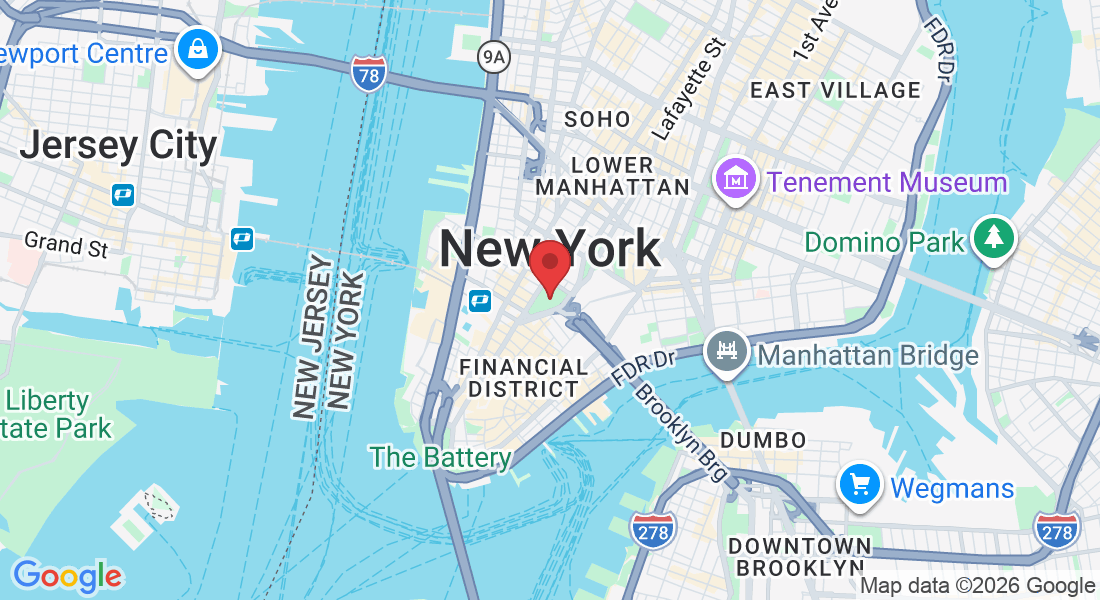
Address: 18851 NE 29th Ave. Suite 405
Aventura, Florida, 33180
Phone Number:
(877)992-6682

Copyright 2026 . All rights reserved
Email: [email protected]
Address: 18851 NE 29th Ave. Suite 405
Aventura, Florida, 33180
Phone Number:
(877)992-6682