
The Real Reason People Fail at Preparedness (And How to Avoid It)

Affiliate Disclosure
Healthy Tips 2 Day may receive a commission if you purchase one of the products linked to on this page. This helps us provide you with quality content.
Advertisements


Many people begin preparedness with strong motivation but lose momentum after a few months. The issue usually isn’t lack of interest—it’s unrealistic expectations. Preparedness is often approached like a one-time project instead of an ongoing lifestyle. When progress feels overwhelming, people stop altogether. Understanding why this happens helps create a sustainable approach. Long-term success depends on mindset more than equipment.

The Myth of Being “Fully Prepared”
There is no finish line in preparedness. Conditions change, families evolve, and risks shift over time. Trying to reach perfect readiness leads to frustration. Instead, preparedness should focus on continuous improvement. Small upgrades accumulate into major resilience. Progress, not perfection, is the goal.
Overcomplicating the Process
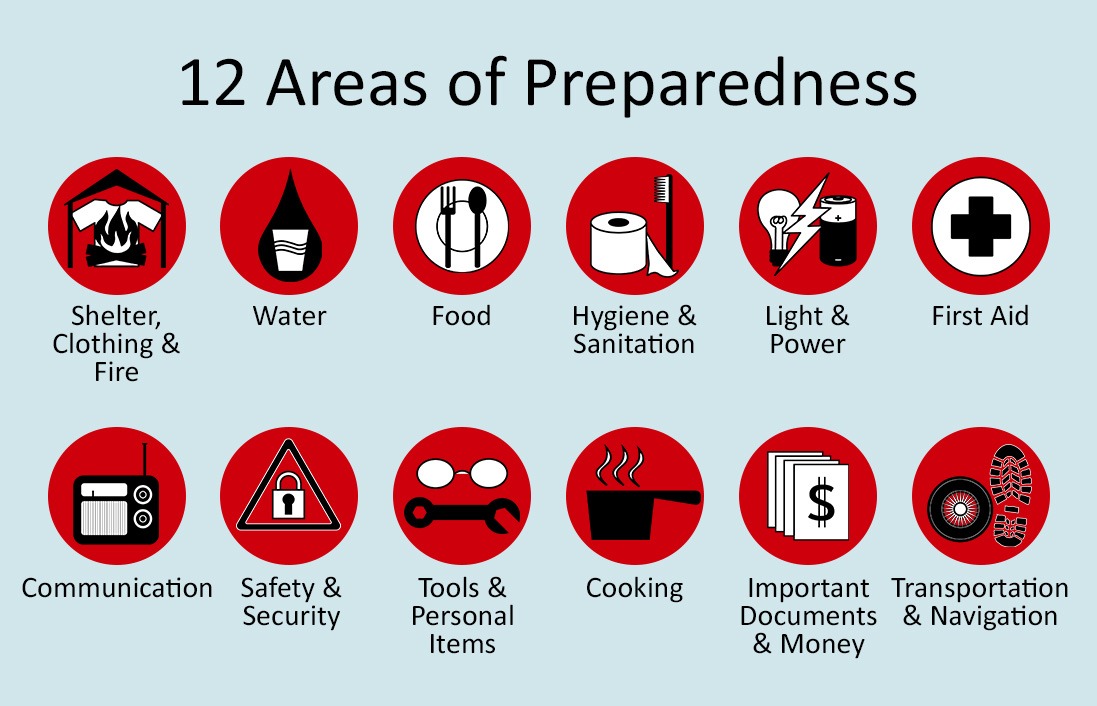
Another common mistake is overcomplicating plans. People often try to prepare for unlikely scenarios before mastering basics. Complex plans can feel exhausting and unrealistic. Simplifying focus to water, food, and practical skills keeps preparation manageable. Practicality leads to consistency.
Motivation Comes From Results
Preparedness becomes rewarding when people see real benefits. Saving money through food storage, feeling confident during outages, or learning new skills reinforces commitment. Tangible results strengthen motivation. Preparedness stops feeling like a burden and starts feeling like progress. Success builds momentum.
Conclusion
Preparedness fails when it becomes overwhelming or unrealistic. Keeping goals simple and focusing on steady progress ensures long-term success. Preparedness is a lifestyle built over time. Sustainable habits create real resilience. The key is consistency, not intensity.

Contact Us
patriotlifetoday.com
264 Queens Quay W #325 Toronto ON, Canada
(352) 578-2280
[email protected]
©2026 Patriot Life Today. All Rights Reserved.