Blog Page

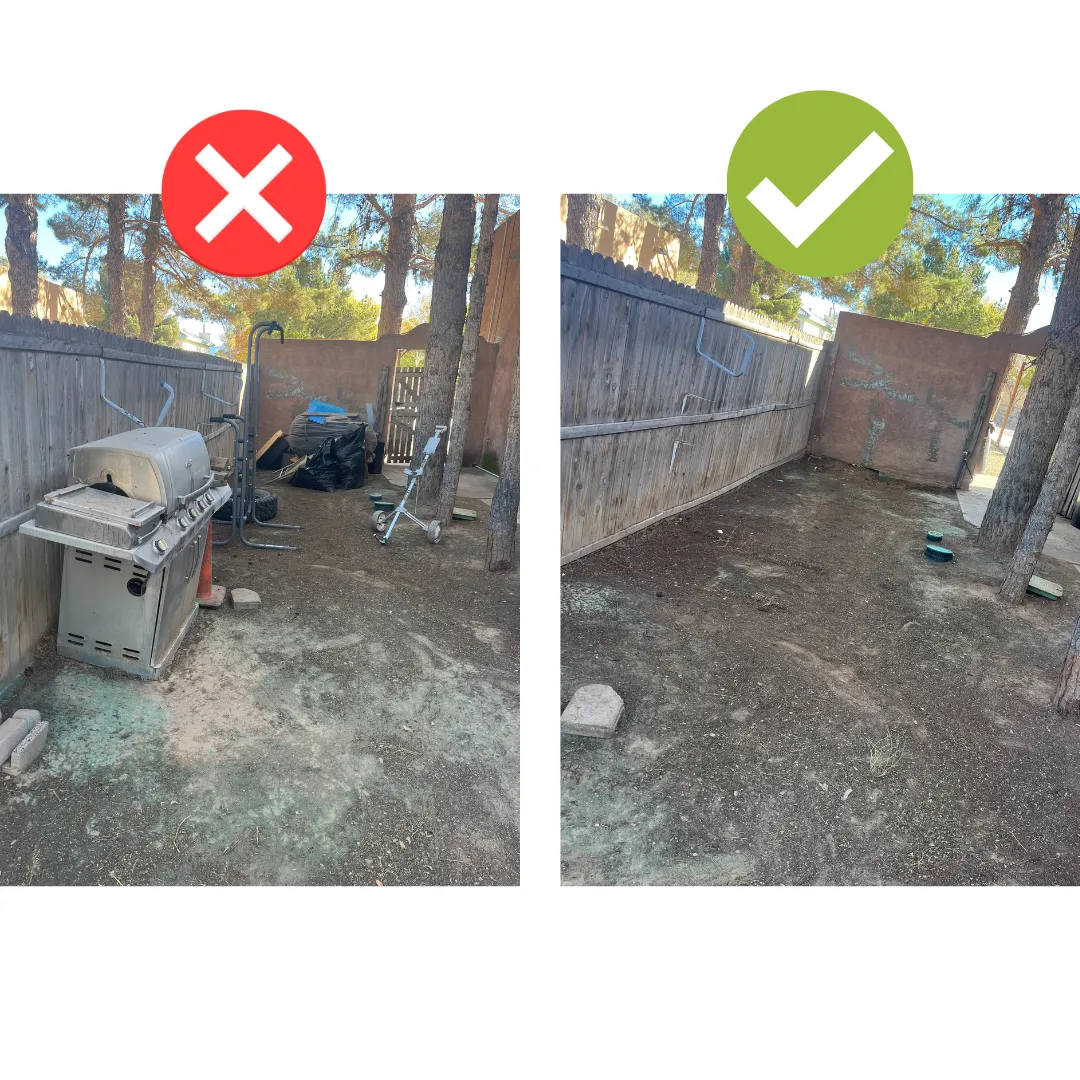
When to remove grill
Introduction (10 seconds):
Knowing the right time to remove your grill is essential for its maintenance and longevity. Depending on various factors, you may need to remove the grill for seasonal protection, lack of use, relocation, repairs, or upgrades. In this comprehensive guide, we'll explore the common scenarios that warrant grill removal and how to do it properly.
Step 1: Seasonal Use
If you live in an area with harsh weather conditions, such as winters with snow and freezing temperatures, consider removing the grill during the offseason. Storing the grill indoors or in a sheltered area can protect it from damage caused by the elements.
Step 2: Lack of Regular Use
If you find that you rarely use the grill or have no immediate plans to grill for an extended period, it might be a good idea to remove it from your outdoor space. This will not only free up the area but also prevent unnecessary wear and tear on the grill.
Step 3: Moving or Relocating
If you are moving to a new house or relocating, you'll need to remove the grill as part of your moving preparations. Clean the grill thoroughly and disconnect any gas or electrical connections before transportation.
Step 4: Repairs or Maintenance
When your grill requires significant repairs or maintenance, it's best to remove it temporarily for servicing. Either take it to a professional or conduct the necessary repairs yourself in a suitable workspace.
Step 5: Upgrading to a New Grill
If you plan to upgrade to a new grill, remove the old one first. Consider donating the old grill if it's still in usable condition or properly dispose of it if it's beyond repair.
Step 6: Home Renovations
During home renovations or construction projects that may affect the area where the grill is located, remove the grill temporarily to avoid potential damage.
Step 7: Storms or Natural Disasters
In regions prone to severe storms or natural disasters, secure the grill or remove it entirely to prevent it from becoming a projectile or sustaining damage.
Step 8: End of Grilling Season
If you have a dedicated grilling season and won't be using the grill for an extended period, consider removing it for storage until the next grilling season.
Proper Grill Removal
When removing a grill, follow these steps:
Thoroughly clean the grill to remove grease, grime, and food residues.
Disconnect any gas or electrical connections safely, adhering to the manufacturer's instructions.
If possible, disassemble the grill to facilitate transportation or storage.
Store the grill in a dry, sheltered location if not in use for an extended period.
Conclusion:
By considering your specific needs and the condition of the grill, you can determine the appropriate time to remove it. Proper grill removal ensures its longevity and allows for easy maintenance, ensuring you can continue enjoying delicious grilled meals for years to come.
