
Going Back to School With Tankless Water Heaters 101

Free Quotes


Straightforward Pricing


Personalized Solutions


Home
Review
Products
Contact US
Going Back to School With Tankless Water Heaters 101

Free Quotes
Straightforward Pricing
Personalized Solutions
Going Back to School With Tankless Water Heaters 101
Tuesday, August 29th, 02:18 AM
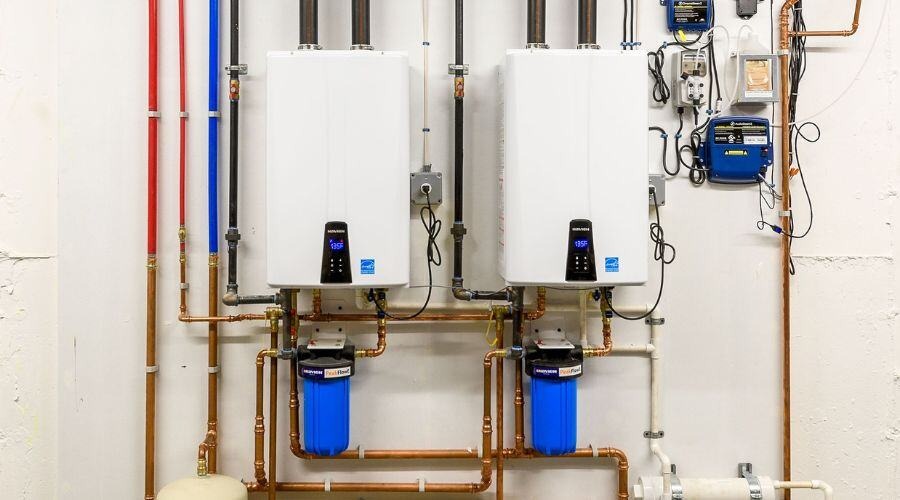
Learn About the Benefits of Installing a Tankless Water Heater in Your Scottsdale, AZ Home
United States - August 28, 2023 / AZ Water Solutions /
A Guide to Tankless Water Heaters
When households want to reduce their energy bills, save space, and have hot water when needed (eliminating waiting for the water tank to heat up between showers), tankless water heaters can be their home's best water heating solution. This guide will share what tankless water heaters are, how they work, and the benefits of installing them in homes.
What Is a Tankless Water Heater?
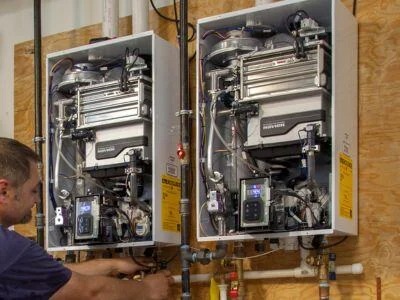
Tankless water heaters, also known as instantaneous water heaters, are water heating systems that heat water without a big storage tank. While traditional storage water heaters have a large tank to provide hot water to a household, with tankless hot water heaters, the water is heated as it passes through the system and only as needed.
Because they only heat water when needed instead of continuously heating a large tank of water, tankless water heaters can be more energy efficient than traditional storage water heaters. Additionally, their heating water on demand and the lack of a storage tank allow tankless water heaters to not run out of hot water like storage water heaters do when the hot water in the tank runs out.
How Does a Tankless Water Heater Work?
To provide hot water to households, tankless water heaters warm water through the following process:
When a faucet or showerhead is turned on and hot water is requested, cold water enters the tankless water heater through an inlet pipe.
Inside the unit, the heat exchanger quickly heats the incoming cold water as it flows through.
The tankless water heater uses a flow sensor to detect the water flow rate and a temperature sensor to measure the incoming water temperature. Based on these readings, the heater adjusts the heating elements or gas burner to achieve the desired hot water temperature.
Since these systems heat water as it flows through the unit, they can provide a continuous supply of hot water to the household. There is no need to wait for a storage tank to refill and reheat the water.
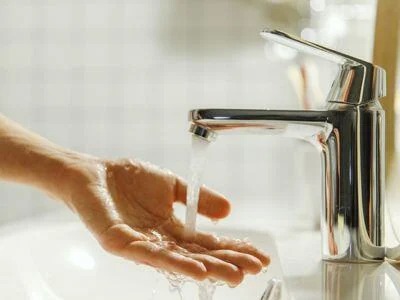
Advantages of Tankless Water Heaters
While most households are familiar with storage water heater units, tankless water heaters provide many benefits to families. Some of their benefits include:
Energy efficiency: They are more energy-efficient than traditional storage tank water heaters by only heating water when needed and not keeping a large water tank hot.
Savings on utility bills: The efficiency of tankless water heaters is reflected in lower water heating costs for homeowners.
Space-saving: These systems are compact and can be mounted on walls, allowing homeowners to save space
Longer lifespan: These systems generally have a longer lifespan than traditional storage water heaters. With proper maintenance, they can last around 20 years or more, and storage tank water heaters typically last about 10-15 years.
Endless hot water: Since they provide hot water on demand, there is no risk of running out of hot water, even with multiple simultaneous hot water demands in different parts of the house.
About AZ Water Solutions
AZ Water Solutions is a female-owned and operated company serving Scottsdale and the surrounding areas. They offer straightforward pricing, free quotes, and the latest technology. Call them today for a gas tankless water heater installation or replacement in Scottsdale, AZ.
Contact Information:
AZ Water Solutions
, AZ
United States
Kelley Crandall
(480) 767-0957
Original Source: https://www.azwatersolutions.com/press-releases
Receive an
Emailed Quote


Water Filtration and New Loop Experts
Our professionals are experienced and trained water filtration and new loop experts to ensure the work gets done correctly!


Flat-Rate Pricing
We offer flat-rate pricing on all of our services so our pricing is clear and there are no surprises later.


Latest Technology
We use the latest technology on all of our water filtration services to make sure the work is done correctly.


Experience You can count on
AZ Water Solutions has been improving the water quality of homes across the Scottsdale, AZ, area for over a decade.


Female Owned and Operated
We are a female-owned and operated company. We're here to ensure our community has quality water.


Friendly, Professional Techs
Our technicians are friendly and professional, and treat you, your home, and your family with respect while in your home.
When you need whole house water filtration system installations or water softener repairs, call us at 480-771-9629 for appointments in Scottsdale, AZ, and throughout Phoenix. We offer flat-rate pricing!
Not sure which water filtration system is right for you?


License: #ROC 329709
Licensed, Bonded and Insured
We Accept


