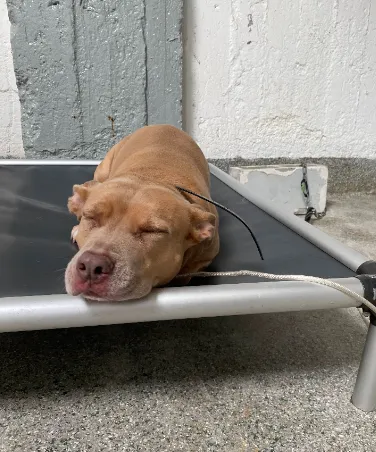
Why A Structured Dog Kennel Matters
Dog daycare can be an amazing outlet for your pup—social time, mental enrichment, physical exercise, and a break from being home alone. But not all daycare and boarding facilities are created equal. One of the biggest factors that separates a great kennel from a risky one is structure.
A structured environment isn’t about being strict or cold. It’s about creating predictability, safety, and healthy social experiences for dogs of all personalities. If you’re searching for the right kennel or daycare, understanding what structure looks like can make all the difference in your dog’s wellbeing.
Let’s talk about why it matters so much.
What Does “Structure” Mean in Dog Daycare or Boarding?
Structure means dogs aren’t just thrown into a room and left to “figure it out.” Instead, the day is thoughtfully planned with:
Supervised play
Appropriate group sizes
Rest periods
Controlled transitions
Clear rules and boundaries
Staff who understand dog behavior
Dogs thrive on routine and clarity. When they know what’s expected and what comes next, stress levels go down and confidence goes up.
Without structure, daycare can quickly turn into chaos.
Safety Comes First
One of the biggest risks in unstructured daycares is overstimulation. Too many dogs, too much freedom, and not enough supervision can lead to:
Fights
Bullying
Fear-based reactions
Injuries
Learned bad habits (that they can take home)
A structured kennel separates dogs by size, play style, and temperament. High-energy dogs don’t overwhelm shy ones. Pushy players don’t get free rein. Breaks are enforced so dogs don’t spiral into exhaustion or frustration.
Good structure prevents problems before they happen instead of reacting after something goes wrong.
Healthy Socialization vs. Chaos
Many owners think daycare or boarding facilities are just about letting dogs play all day. But real socialization isn’t nonstop wrestling.
In a structured daycare, dogs learn:
How to disengage politely
How to read other dogs’ signals
When play is appropriate
How to relax around others
Staff step in when play gets too intense, when one dog isn’t enjoying it, or when energy starts tipping toward conflict. Dogs are guided, not ignored.
This helps dogs leave daycare or boarding calmer, more confident, and better behaved—not overstimulated and wired.
This is not to mention how many aggressive or reactive dogs aren't welcome or understood at most facilities. We have so many clients here in Chicago who were kicked out of their old daycare because the staff didn't understand dog psychology and their facility didn't understand structure. Not every dog who comes to Canine Perspective was trained by Jesse but we DO take the time to understand every dog that passes through our doors. Big players or selectively social dogs thrive here because we take the time and energy to provide safety and structure.
Mental Health Matters Too
Structure doesn’t just protect bodies, it protects minds.
Imagine being in a loud room all day with no breaks and no direction. That’s what unstructured daycare feels like for many dogs. It can create:
Anxiety
Reactivity
Hyperarousal
Shutdown behavior
A good kennel builds in downtime, quiet spaces, and decompression periods. Dogs get to rest, reset, and feel safe instead of constantly being “on.”
A tired dog isn’t always a happy dog. A balanced dog is.
Staff Knowledge Makes the Difference
Structure only works if the people running it understand dogs.
A quality daycare or boarding kennel will have staff trained in:
Canine body language
Stress signals
Play styles
De-escalation techniques
Group management
They aren’t just referees breaking up fights — they’re reading the room, adjusting groups, rotating dogs, and advocating for each individual pup.
When you tour a kennel, ask how they manage play, rest, and behavior. The answer will tell you everything about their level of structure.
We're lucky to have Jesse at the helm of Canine Perspective Chicago because he personally trains our staff here. Hard to top training under a Master Dog Trainer! But having competent staff means we can handle aggressive dogs, reactive dogs, and even super hyper ones who might not BE the issue, but can lead to issues.
Your Dog’s Behavior Outside Daycare Reflects the Inside
One of the easiest ways to judge a kennel is how your dog acts after.
A structured daycare or boarding facility produces dogs who are:
Calmly tired
Socially confident
Less reactive
More settled at home
An unstructured one often produces dogs who are:
Overstimulated
Mouthy
Exhausted but wired
Reactive on leash
Daycare or Boarding should support your training, not undo it. Some dogs are genetically more energetic than others and a common misconception is that they need "all day play" kind of environments. That's actually way overstimulating.
What to Look For When Choosing a Kennel
When searching for the right daycare or boarding facility, ask about:
✔ Group sizes
✔ Play style matching
✔ Supervision ratio
✔ Mandatory rest periods
✔ Staff training
✔ How conflicts are handled
✔ Daily routines and schedules
If the answer is “they just play all day,” that’s a red flag. If they also "just love all dogs" sorry but that's also a red flag. Oh and if they let dogs share food, treats, water, or toys - run, do not walk, because that's the biggest and reddest flag of all.
Structure is what turns daycare from a free-for-all into a safe, enriching experience. You might not find perfection in your area but you can distinguish the good from the bad by looking for structure. And remember, your dog doesn't care if their kennel has a fluffy bed and a camera so you can watch from home. Your dog wants safety, routine, food, and water. When you return from work or vacation, you can provide the extra love they need. Kennels that advertise love or comfort over safety and structure are doing that to take your money.
Why Structure Is Even More Important for Boarding Dogs
Daycare is one thing — but boarding raises the stakes. That's why my NUMBER ONE PIECE OF ADVICE FOR BOARDING IS:
Ask how they take new clients.
If a facility will take any dog they don't know, I'm sorry but no. I understand emergencies can arise but the number of times we get phone calls here with owners asking to board their dog within the next few days is mind-boggling to me. Are you really going to give me your dog? You don't know me, your dog doesn't know me, and you think they'll be okay here??? That's not even me at my crazy-dog-mom-self, that's just common sense...
When a dog stays overnight, they’re away from home, off their normal routine, and surrounded by new smells, sounds, and dogs. That's terrifying for them! Without structure, boarding can quickly become overwhelming and stressful instead of safe and comforting. That's why a reputable kennel should require either regular daycare or some other kind of screening process to alleviate stress for the dog.
When choosing a boarding kennel, ask the same questions you would for daycare — and then some:
✔ How are days structured for overnight dogs?
✔ Where do dogs rest and sleep?
✔ How much downtime is built in?
✔ How are groups rotated?
✔ How are new clients introduced?
Boarding isn’t just about keeping your dog busy while you’re gone. It’s about keeping them safe, balanced, and emotionally supported while they’re away from you.
When structure is prioritized, boarding becomes an extension of good training and care — not a break from it.
Final Thoughts From This Dog Mom
Dog daycare or boarding should never be about convenience alone. It should be about creating a space where dogs feel safe, understood, and supported.
Structure builds confidence.
Structure prevents problems.
Structure creates better dogs, not just tired ones.
When you choose a kennel that values structure, you’re not just booking a place for your dog to stay — you’re investing in their long-term behavior, emotional health, and quality of life.
And that’s always worth it. 🐾

