Why Better Business Systems Start with Process, Not Just More Tools
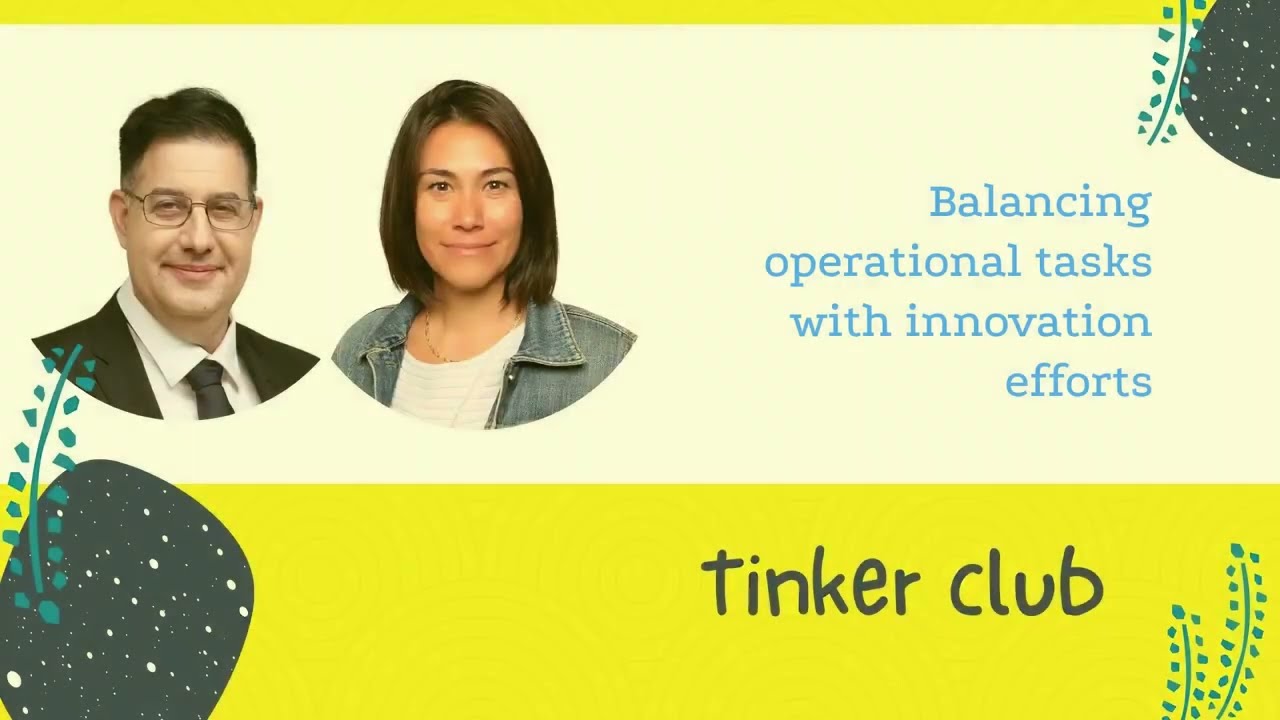
In this Tinker Club session, Leigh-Anne Nugent and Micah Adler share a very real builder problem: when your business is growing, your systems can start to feel chaotic before they feel scalable. From Salesforce project delivery and Slack workflows to Google tools, ChatGPT agent experiments, and Manis-generated assets, this conversation is a practical look at how smart builders sort through the mess, test new tools, and stay focused on outcomes instead of shiny objects.
LESSONS YOU CAN TAKE FROM THIS:
1. A tool will not fix a weak process
One of the clearest insights in this conversation is that technology only helps once the process is clear. Whether the team is working in Salesforce, Slack, Google Docs, or Google Chat, the real challenge is the same: who updates what, where the truth lives, and how clients get clear status updates. Without that discipline, even a powerful tool can just create more noise.
2. Operations need structure so innovation has room to breathe
Leigh-Anne shares a relatable tension: when delivery is active and the team is juggling real client work, it is easy to stay trapped in operations. But innovation still needs space. This session makes a strong case for protecting white space on the calendar so teams can improve systems, refine products, and build the next version of the business instead of staying stuck in reactive mode.
3. AI is most useful when it turns rough work into usable assets
Micah and Leigh-Anne both highlight a practical use case for AI: not replacing the thinking, but accelerating the output. Whether it is building playbooks, drafting project resources, organizing materials, creating presentations, or shaping an implementation guide, tools like ChatGPT agent, Cursor, and Manis can dramatically speed up the “make it usable” part of the work.
4. The smartest builders keep testing without overcommitting too early
Another strong takeaway is the mindset behind the experimentation. They are not blindly adopting every new platform. They are testing, comparing, noticing limitations, and deciding where each tool actually helps. That is an important model: stay curious, keep learning, but do not confuse experimentation with commitment before a process is ready.
KEY TAKEAWAYS:
Clear process matters more than picking the newest tool.
Strong operations create the space needed for real innovation.
AI can speed up documentation, assets, and delivery support when the inputs are strong.
White space on the calendar can be a strategic advantage, not a sign of underperformance.
Builders should test fast, but commit only when the system supports the outcome they need.