BLOG
Can On-Site Repair Save You Time and Money?
When Moving the Machine Costs More Than Fixing It
When heavy equipment breaks down, the first decision isn’t always about the repair itself — it’s about location.
Do you haul the machine to a shop?
Or do you bring the repair service to the job site?
For contractors and equipment owners operating across Vermont, on-site repair can significantly reduce downtime — especially when machines are working in remote forestry areas, excavation sites, or rural construction projects.
But does mobile heavy equipment repair truly save time and money? Or does it simply shift the cost structure?
Let’s break it down clearly.
What Is On-Site Heavy Equipment Repair?
On-site repair (also called mobile repair) involves a technician traveling directly to your machine with a fully equipped service truck. Instead of transporting the equipment, the repair happens where the machine sits.
Mobile service typically includes:
Diagnostic testing
Hydraulic hose replacement
Electrical troubleshooting
Minor to moderate component repairs
Preventive maintenance
Emergency breakdown response
In Vermont, where machines frequently operate on uneven terrain and wooded job sites, mobile repair can eliminate complex hauling logistics.
The True Cost of Transporting Equipment
Before evaluating mobile repair pricing, it’s important to understand what shop-based repairs often require.
Equipment Hauling Expenses
Transporting heavy equipment can include:
Lowboy trailer rental
CDL driver labor
Fuel costs
Loading and unloading time
Permit requirements (for larger machines)
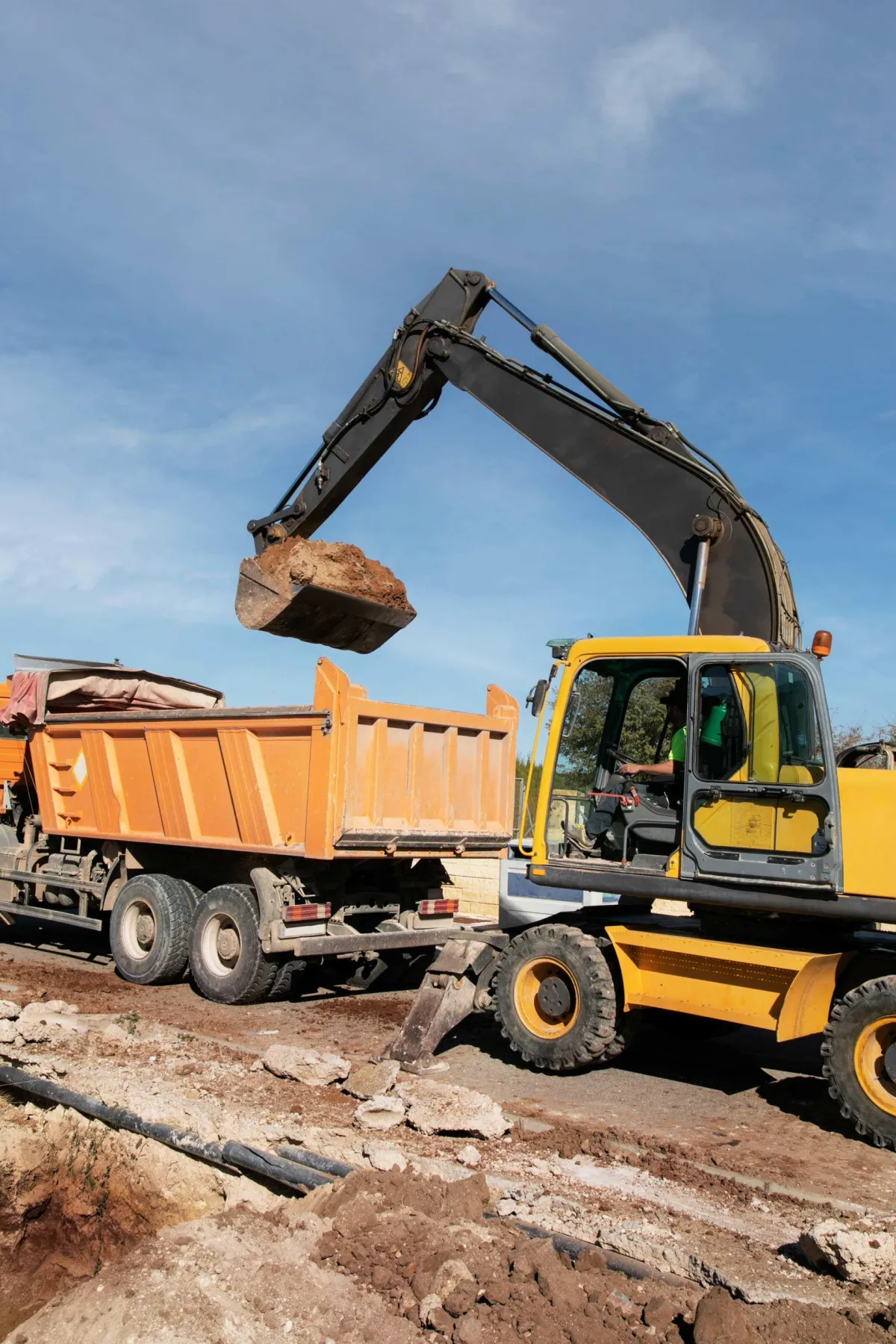
For larger excavators, bulldozers, or forestry machines, transport alone can cost several hundred to several thousand dollars.
Downtime During Transport
While a machine is being hauled:
Crews may sit idle
Project schedules may stall
Rental equipment may be required
In Vermont’s shorter construction and logging seasons, downtime carries real financial weight.
When On-Site Repair Saves Money
On-site repair often saves money in specific situations.
1. Minor to Moderate Repairs
If the issue involves:
Hydraulic hose replacement
Electrical fault diagnosis
Sensor replacement
Minor mechanical repair
Mobile service eliminates the need for hauling.
2. Remote Job Sites
Forestry and excavation projects in Vermont frequently operate far from major service centers. Moving heavy equipment from wooded or muddy terrain adds complexity and cost.
Mobile repair reduces logistical barriers.
3. Time-Sensitive Projects
When deadlines are tight, same-day response can prevent cascading project delays.
On-site repair often shortens response time compared to scheduling transport and shop intake.
When Shop Repairs May Be More Cost-Effective
Mobile service isn’t always the best financial option.
Shop-based repair may be preferable when:
Major component rebuilds are required
Specialized lifts or presses are needed
Full hydraulic system flush is necessary
Engine or transmission removal is required
In-shop environments provide controlled conditions and access to heavy-duty equipment that may reduce total labor time for complex repairs.
Comparing On-Site vs. Shop Repair
Here’s a simplified comparison:
For many Vermont contractors, the tipping point comes down to machine mobility and urgency.
Hidden Savings of Mobile Repair
The savings of on-site repair extend beyond direct cost.
Reduced Crew Downtime
Keeping operators productive prevents payroll waste.
Immediate Diagnosis
Mobile technicians can quickly determine whether the issue is minor or major, helping you make informed decisions faster.
Lower Rental Risk
If repairs are completed quickly, there may be no need to rent replacement equipment.
Flexible Scheduling
Mobile repair often adapts to job site needs, especially in rural Vermont where moving large machines is not practical.
Environmental and Seasonal Considerations in Vermont
Vermont’s climate adds another layer to the decision.
Snow and ice can complicate hauling
Mud-heavy spring conditions limit trailer access
Steep terrain makes loading risky
Cold weather increases breakdown frequency
In these environments, mobile heavy equipment repair becomes more than convenient — it becomes operationally efficient.
What Types of Repairs Are Best for On-Site Service?
On-site repair is typically ideal for:
Hydraulic hose and fitting replacement
Electrical system diagnostics
Battery and starting system issues
Minor fuel system problems
Preventive maintenance services
Undercarriage inspections
For catastrophic engine or transmission rebuilds, shop facilities may offer better long-term value.
Frequently Asked Questions
Is on-site repair more expensive than shop repair?
Mobile service may include travel fees, but it often eliminates transport costs and reduces downtime, which can offset the difference.
How quickly can mobile repair respond?
Response time depends on scheduling and location. In many Vermont job sites, mobile service reduces waiting time compared to transport-based repairs.
Can large excavators and bulldozers be repaired on-site?
Yes, many repairs can be performed on-site. However, major rebuilds may require shop facilities.
Does winter affect mobile repair costs?
Winter conditions can impact accessibility and working conditions, which may slightly influence service time in Vermont.
Is mobile diagnostic testing reliable?
Yes. Modern service trucks are equipped with diagnostic tools capable of handling most electronic and hydraulic troubleshooting tasks.
Conclusion
On-site heavy equipment repair can save both time and money — particularly for minor to moderate repairs, remote job sites, and time-sensitive projects.
In Vermont’s demanding terrain and climate, reducing transport logistics and minimizing downtime often makes mobile repair the practical choice. However, major rebuilds may still benefit from shop-based facilities.
Tree Top Equipment Repair provides mobile heavy equipment service throughout Vermont, helping operators evaluate whether on-site repair or shop service is the most efficient solution for their specific situation.

Our Services
Contact Information
Phone:
Address:
113 Maple Ridge Ln, Huntington, VT 05462, United States of America
Helpful Links
Mon - Fri : 7:00AM - 5:00PM
Sat - Sun : Closed
Tips & Articles
© 2025 All Rights Reserved | Tree Top Equipment Repair | Privacy Policy