
Dynasty
“THE POLITICAL FAMILY OF SUANSING.
Tap to view
👁
HOR

Your support keeps independent commentary alive.
☕ Buy us a coffee and keep the conversation going


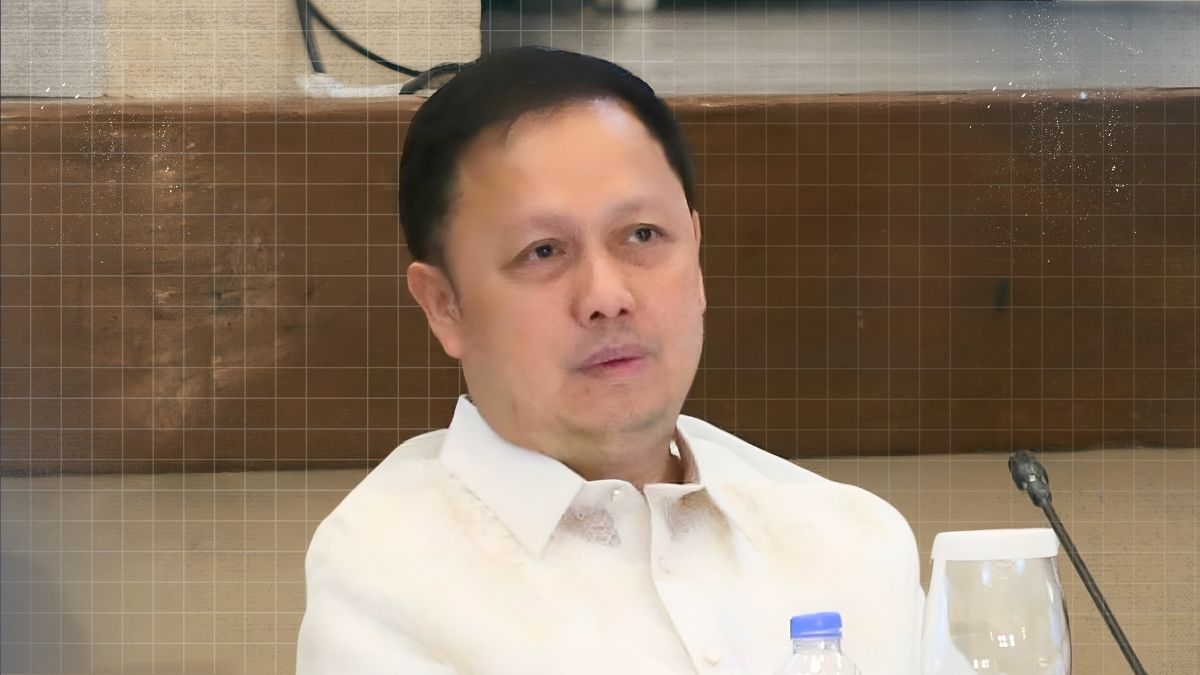
Former congressman Zaldy Co has flatly denied allegations that he sent “feelers” to negotiate or soften his legal situation, firmly rejecting any notion of restitution as discussions around accountability and impeachment continue to ripple through Congress.
Speaking amid heightened scrutiny, Co insisted that he has never authorized intermediaries to approach any party on his behalf, nor has he offered or considered restitution—an option sometimes associated with compromise or admission in high-profile cases. His denial comes as lawmakers debate not just personalities, but process, credibility, and the standards that govern political accountability.
Co’s position is categorical: he says there is nothing to settle. According to him, restitution presupposes wrongdoing; rejecting it, therefore, is a declaration that he contests the allegations outright. The message is not conciliatory—it is confrontational in its clarity.
The timing matters. As impeachment talks involving President Ferdinand Marcos Jr. unfold, peripheral narratives can quickly shape the public’s understanding of the stakes. Claims of “feelers” often imply backroom maneuvering—an attempt to defuse pressure quietly. Co’s denial seeks to shut that door completely.
At the heart of the controversy is a broader tension that Congress is now navigating: When does accountability become bargaining, and when does defense become defiance? In Philippine politics, where allegations can carry reputational weight long before findings are made, the line between asserting innocence and appearing evasive is thin.
Supporters of Co’s stance argue that rejecting restitution preserves the integrity of due process. They say negotiations outside formal proceedings undermine transparency and invite suspicion—especially in cases where public funds or public trust are implicated. From this view, Co’s refusal is a statement that the case should be resolved in the open, not diluted through compromise.
Critics, however, are less persuaded. They note that outright denials are common at early stages and that rejecting restitution does not address underlying questions. For them, the denial shifts attention to the next test: evidence. If no feelers were sent, who started the narrative—and why did it gain traction?
This is where the episode intersects with the ongoing impeachment discourse. In recent House deliberations, lawmakers have emphasized form versus substance, cautioning against conflating allegation with proof. Co’s denial echoes that institutional refrain: accusations must be grounded, documented, and traceable—not inferred.
There is also a procedural subtext. As discussions move between committees, hearings, and potential referrals to oversight bodies such as the Office of the Ombudsman, statements made now can influence how witnesses are perceived later. By rejecting restitution, Co positions himself as a potential testifier who will contest claims head-on rather than mitigate them.
Quietly, the story reveals something about the current political climate. Negotiation—once seen as pragmatism—is increasingly framed as weakness. In an era of public scrutiny and social media amplification, clarity outperforms caution. Co’s denial is calibrated for that reality: it is brief, direct, and leaves little room for reinterpretation.
Discreet satire lingers in the margins: in modern politics, denying a backchannel can be louder than admitting one—because it forces every claim to find a document, a date, or a name.
As the process continues, Co’s stance will be tested not by repetition, but by verification. Denials are a starting line, not a finish. Whether his rejection of restitution strengthens his position or simply raises the bar for proof is a question Congress—and the public—will answer in the weeks ahead.
For now, the message is unmistakable: no feelers, no settlement, no shortcuts. In a process obsessed with thresholds and technicalities, Co has chosen an unambiguous lane—and invited the system to meet him there.















Disclaimer: This site uses publicly available images and materials for news, satire, and commentary. All rights belong to their respective owners. No copyright infringement intended.
© 2025 Politikanta Minute. All Rights Reserved.
Political Commentary • Satire • Faith-Based Reflection
Some visuals may be AI-generated for satire and illustration. Not real footage unless stated.
Disclaimer: This site uses publicly available images and materials for news, satire, and commentary. All rights belong to their respective owners. No copyright infringement intended.
© 2025 Politikanta Minute. All Rights Reserved.
Political Commentary • Satire • Faith-Based Reflection
Some visuals may be AI-generated for satire and illustration. Not real footage unless stated.


