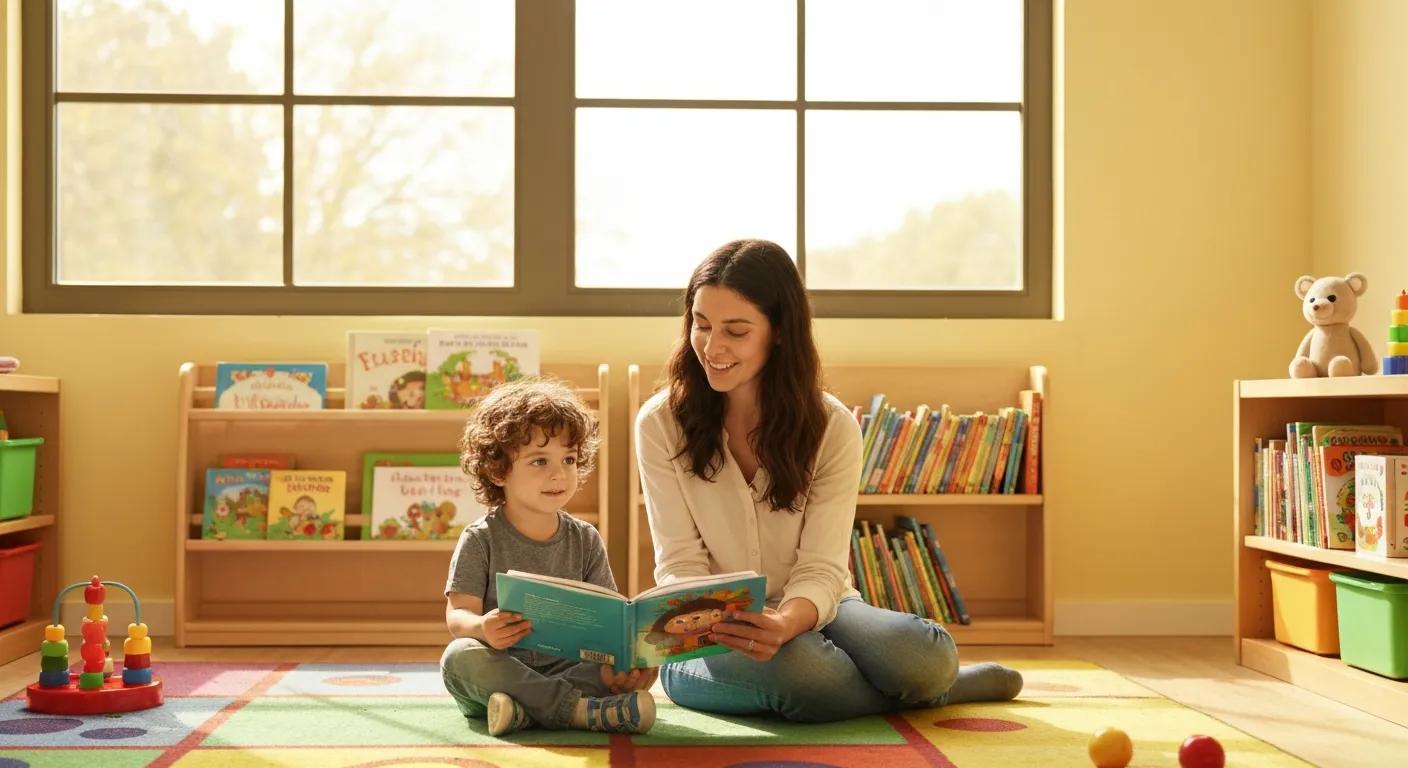
How Reading Aloud Makes Kids’ Brains Sparkle: Early Literacy Benefits
How Reading Aloud Builds Your Child’s Brain
Explore how reading aloud boosts kids’ language, memory, and early literacy skills. Learn play-based strategies to make storytime engaging and fun.
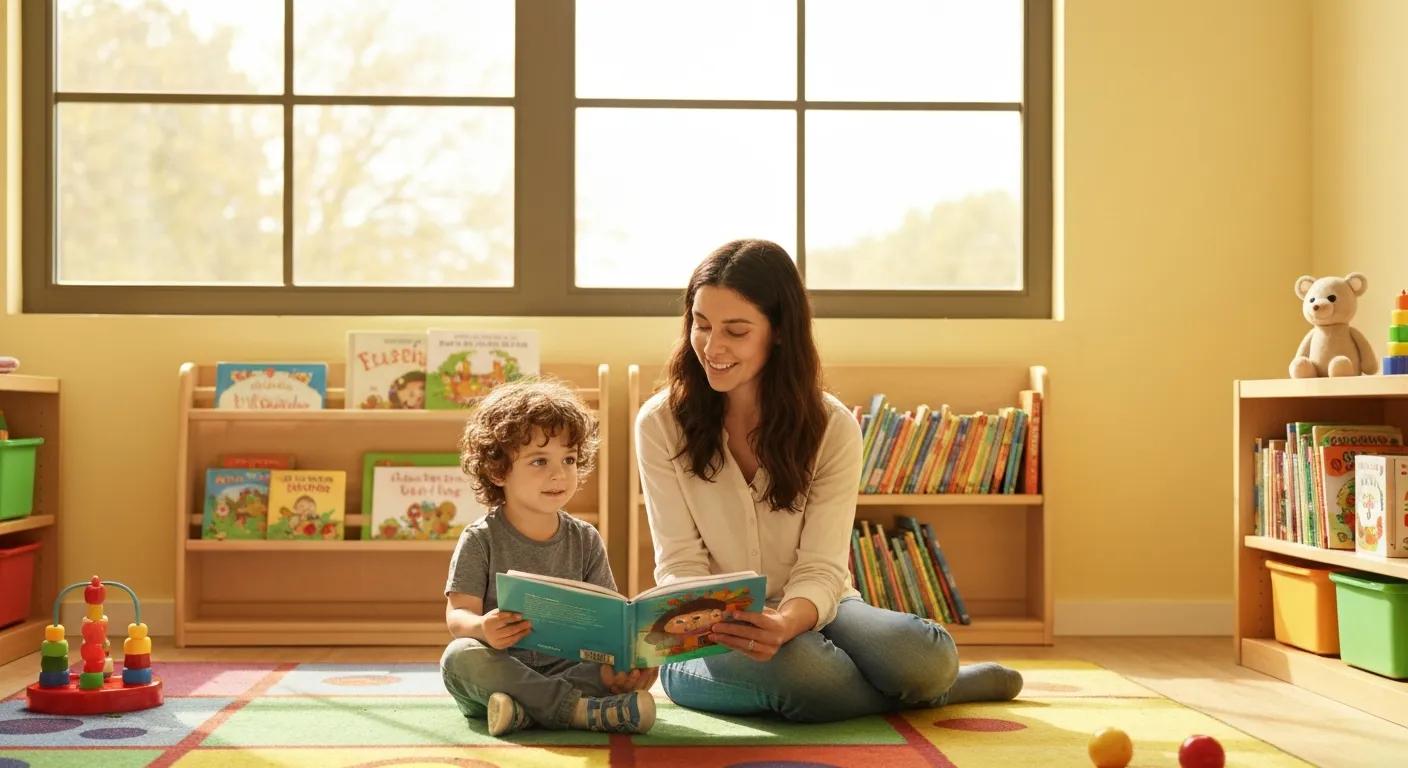
Reading aloud may look simple — just a book, a cozy seat, and a child by your side — but don’t let its simplicity fool you. Science shows that reading aloud is one of the most powerful ways to support your child’s brain development in the early years.
From newborns to preschoolers, a daily read-aloud routine wires the brain for language, learning, social connection, and emotional growth. Here’s how this magical habit works.
1. Reading Aloud Grows Language Skills Faster Than Anything Else
When children hear stories, they’re exposed to:
new vocabulary
sentence structure
rhythms of language
expressive speech
Even if they don’t understand every word yet, their brains are building connections that will later help them speak, read, and write.
Research shows: Children who are read to regularly know more than 1 million additional words by kindergarten.
2. It Strengthens Brain Pathways for Learning
When you read aloud, your child’s brain lights up in multiple areas at once — language, memory, attention, and even visualization.
This boosts:
comprehension
auditory processing
focus and concentration
problem-solving skills
Reading aloud literally builds the brain’s architecture for future academic success.
3. It Supercharges Imagination & Creativity
Books introduce children to places, emotions, ideas, and experiences they might not encounter in daily life.
Through stories, children:
imagine characters
predict what happens next
understand cause and effect
explore feelings and possibilities
This creativity spills over into their play, storytelling, and problem-solving.
4. Reading Aloud Builds Emotional Intelligence
Stories help children learn:
empathy
compassion
emotional expression
coping skills
When kids hear about characters experiencing sadness, joy, anger, bravery, or fear, they begin to understand and label their own emotions.
A book becomes a safe place to explore big feelings.
Creating emotional awareness through stories also supports self-regulation and calm behavior in young children.
5. It Strengthens Parent-Child Bonding
Reading aloud is more than an educational task — it’s a shared moment of connection.
Sitting close, listening to your voice, turning pages together… All of this signals safety, love, and attention to your child.
This emotional security creates the perfect foundation for learning.
Strong connections between caregivers and children play a key role in building confidence and communication skills.
6. It Builds Early Literacy Skills Naturally
While reading, children learn to:
recognize letters
follow words from left to right
connect pictures to meaning
make predictions
understand story structure
These skills are essential for kindergarten readiness — and develop long before a child picks up a pencil.
Letter recognition and early reading exposure can be playful and engaging when introduced the right way.
7. Reading Helps Kids Regulate Their Energy & Emotions
A read-aloud moment can:
calm an overstimulated toddler
help with nap transitions
ease nighttime routines
support focus before structured activities
Books offer a rhythm and routine that help children slow down and feel settled.
How Kidazzle Supports a Love for Reading
At Kidazzle, reading is woven into daily routines. Our teachers:
read aloud multiple times a day
ask open-ended questions
use expressive voices to engage children
provide a rich variety of books
create cozy reading corners
help children explore concepts through stories
Whether it’s infants exploring board books or preschoolers predicting story endings, we make literacy fun, meaningful, and developmentally powerful.
Our literacy-rich environment supports confidence, communication, and leadership skills from an early age.
Final Thoughts
Reading aloud is one of the simplest — yet most impactful — ways to build your child’s brain. Just 10–15 minutes a day strengthens language skills, boosts learning, fuels imagination, and deepens your bond.
Every book is an opportunity to grow together.
