
Satire songs and statement shirts made to spark thought, start conversations, and carry truth with boldness.
“Wear the Message. Hear the Truth.”
Support Politikanta Minute
Your support keeps independent commentary alive.
☕ Buy us a coffee and keep the conversation going
Satire songs and statement shirts made to spark thought, start conversations, and carry truth with boldness.
“Wear the Message. Hear the Truth.”
Politikanta Minute Originals
Browse like Lazada. Order exclusive on this website via GCash/Bank.
Exclusive drops — available only on this website.
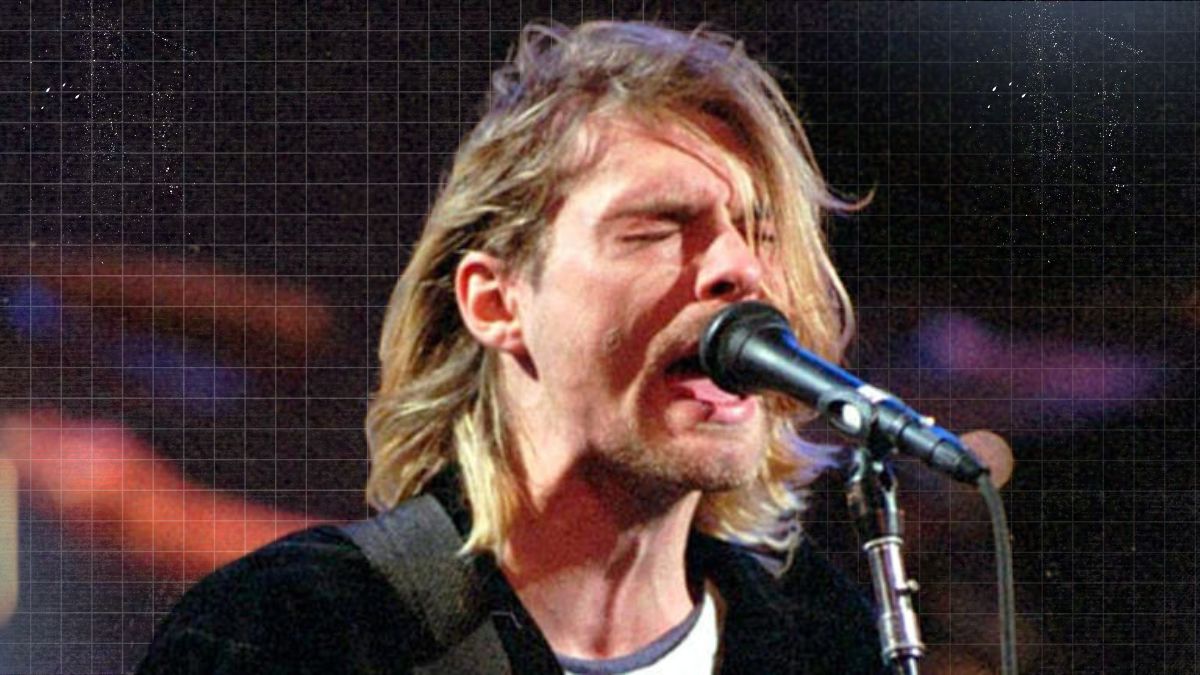
New Forensic Claims Reignite Debate Over Kurt Cobain’s Death
More than three decades after the death of Kurt Cobain, the frontman of Nirvana remains one of the most discussed and debated figures in music history. His 1994 death was officially ruled a suicide by the Seattle Police Department. Yet over the years, alternative theories have continued to circulate—ranging from procedural doubts to outright allegations of foul play.
Now, a new report from self-described forensic experts is once again fueling speculation. According to recent claims highlighted in media coverage, independent analysts believe aspects of the original investigation may warrant renewed scrutiny. The report suggests that certain forensic elements—particularly involving toxicology levels and crime scene interpretation—could raise questions about whether Cobain’s death was as straightforward as previously concluded.
It’s important to note that these new claims have not been officially endorsed by law enforcement agencies. The Seattle Police Department has reaffirmed multiple times, including during a review in 2014, that there was no evidence contradicting the original suicide ruling. At that time, previously unseen photographs from the scene were released, and authorities maintained that the case did not warrant reopening.
Still, the Cobain narrative has never fully settled in the public imagination.
Kurt Cobain was more than a musician. As the lead singer and guitarist of Nirvana, he became the reluctant voice of the grunge movement in the early 1990s. Songs like Smells Like Teen Spirit, Come As You Are, and Heart-Shaped Box defined a generation disillusioned with mainstream culture. Cobain’s raw vulnerability and unfiltered songwriting made him both an icon and a deeply complex figure.
His death at age 27 placed him in the so-called “27 Club,” alongside artists like Jimi Hendrix, Janis Joplin, and Jim Morrison—legends who died at the same age under tragic circumstances. The combination of youth, fame, mental health struggles, and substance abuse created a cultural mythos that continues to evolve.
The new forensic claims reportedly question whether Cobain could have physically acted under the levels of substances found in his system. Some independent analysts argue that the heroin concentration noted in the autopsy might have rendered him incapable of certain actions attributed to him. Others suggest that investigative procedures in the early 1990s may not have met modern forensic standards.
However, mainstream forensic professionals have often countered similar arguments in the past, explaining that post-mortem toxicology interpretation is complex and not always straightforward. Variables such as tolerance, metabolism, and timing can significantly affect readings. Without new, verifiable evidence, many experts caution against drawing definitive conclusions from decades-old materials.
Why does this debate continue to resurface?
Part of the answer lies in Cobain’s enduring influence. Nirvana’s music still resonates globally. New generations discover his work through streaming platforms, documentaries, and archival footage. Every few years, a new book, film, or investigative angle revisits the circumstances of his death. Each revival reopens emotional and cultural wounds for fans who still struggle to reconcile his abrupt exit.
There’s also the broader phenomenon of unresolved celebrity tragedy. When public figures die young—especially under circumstances involving mental health or addiction—fans often search for alternate explanations. Conspiracy theories can sometimes offer a narrative that feels less painful than accepting suicide. For some, believing in foul play shifts blame outward rather than inward.
That said, serious allegations deserve careful handling. Claims of murder are not minor suggestions—they carry significant legal and ethical weight. Responsible reporting requires distinguishing between verified findings and independent speculation. As of now, no official body has reopened the Cobain case based on these new forensic claims.
The conversation, however, reflects a larger cultural shift toward reexamining historical investigations through modern lenses. Advances in forensic science have solved cold cases decades after initial conclusions. This reality keeps hope alive among those who believe unanswered questions remain.
At the same time, it’s important to balance curiosity with respect. Cobain left behind family, including his daughter Frances Bean Cobain, who has publicly spoken about navigating life under the shadow of her father’s legacy. Reigniting debate about his death inevitably impacts those closest to him.
Ultimately, whether this new report leads to any formal action remains uncertain. What is certain is that Kurt Cobain’s legacy continues to provoke emotion, analysis, and reflection.
His music changed rock history.
His life sparked conversation about mental health long before it became mainstream dialogue.
And decades later, his death still raises questions—fairly or unfairly.
Until official authorities determine otherwise, the original ruling stands. But as long as fans continue to listen, remember, and question, the story of Kurt Cobain will remain both influential and complicated.













More for You
FOLLOW US


Disclaimer: This site uses publicly available images and materials for news, satire, and commentary. All rights belong to their respective owners. No copyright infringement intended.
© 2025 Politikanta Minute. All Rights Reserved.
Political Commentary • Satire • Faith-Based Reflection
Some visuals may be AI-generated for satire and illustration. Not real footage unless stated.
FOLLOW US
Disclaimer: This site uses publicly available images and materials for news, satire, and commentary. All rights belong to their respective owners. No copyright infringement intended.
© 2025 Politikanta Minute. All Rights Reserved.
Political Commentary • Satire • Faith-Based Reflection
Some visuals may be AI-generated for satire and illustration. Not real footage unless stated.