
Satire songs and statement shirts made to spark thought, start conversations, and carry truth with boldness.
“Wear the Message. Hear the Truth.”
Support Politikanta Minute
Your support keeps independent commentary alive.
☕ Buy us a coffee and keep the conversation going
Satire songs and statement shirts made to spark thought, start conversations, and carry truth with boldness.
“Wear the Message. Hear the Truth.”
Politikanta Minute Originals
Browse like Lazada. Order exclusive on this website via GCash/Bank.
Exclusive drops — available only on this website.
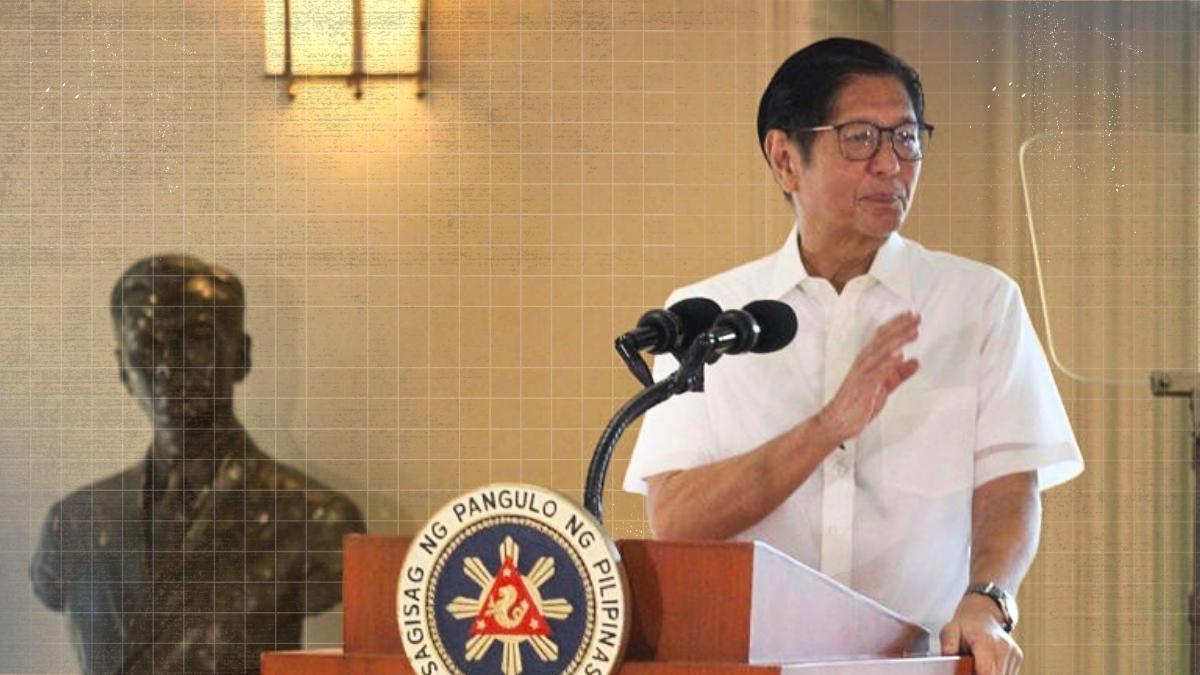
Marcos Streamlines Electricity Subsidies and Net-Metering for 4Ps Families
President Ferdinand Marcos Jr. has ordered the streamlining of electricity subsidies and the expansion of net-metering access for beneficiaries of the Pantawid Pamilyang Pilipino Program (4Ps).
The move aims to reduce energy burdens on low-income households while improving efficiency in subsidy delivery.
What’s Changing?
Two key components are being addressed:
1️⃣ Electricity Subsidies
The government seeks to simplify how subsidies are distributed to 4Ps families to ensure:
• Faster delivery
• Reduced red tape
• Better targeting of beneficiaries
• Less leakage or duplication
Energy costs remain a major pressure point for poor households. Even small monthly bill reductions can significantly impact food security and daily expenses.
2️⃣ Net-Metering Access
Net-metering allows households to generate their own electricity — usually through solar panels — and sell excess power back to the grid.
Streamlining this process could mean:
• Easier application procedures
• Faster approval times
• Greater access to renewable energy
• Long-term savings for families
If implemented effectively, this move aligns both poverty reduction and renewable energy goals.
Why This Matters
Electricity is not just a utility — it’s a development multiplier.
Affordable power means:
• Children can study at night
• Small home businesses can operate
• Households can preserve food safely
• Families avoid debt from rising utility bills
For 4Ps beneficiaries, reducing energy costs frees income for essentials like food, transport, and education.
The Bigger Policy Picture
The reform reflects three broader goals:
Social protection modernization
Renewable energy expansion
Administrative efficiency
However, successful implementation will depend on:
• Clear guidelines
• Coordination with distribution utilities
• Funding sustainability
• Public awareness
Without proper rollout, streamlining efforts risk becoming policy announcements rather than felt improvements.
The Fiscal Question
Subsidies require funding.
As the government faces budget constraints and revenue collection challenges, ensuring that subsidy programs remain sustainable will be critical.
Balancing social protection and fiscal discipline remains a delicate task.
Final Thought
Making electricity more affordable for poor families is a concrete policy direction — not just rhetoric.
But the real test lies in execution.
If properly implemented, this reform could:
• Reduce household burdens
• Promote clean energy
• Improve public perception of governance
If not, it risks becoming another well-intentioned policy slowed by bureaucracy.
Filipinos will judge it not by headlines — but by lower electric bills.











More for You
FOLLOW US


Disclaimer: This site uses publicly available images and materials for news, satire, and commentary. All rights belong to their respective owners. No copyright infringement intended.
© 2025 Politikanta Minute. All Rights Reserved.
Political Commentary • Satire • Faith-Based Reflection
Some visuals may be AI-generated for satire and illustration. Not real footage unless stated.
FOLLOW US
Disclaimer: This site uses publicly available images and materials for news, satire, and commentary. All rights belong to their respective owners. No copyright infringement intended.
© 2025 Politikanta Minute. All Rights Reserved.
Political Commentary • Satire • Faith-Based Reflection
Some visuals may be AI-generated for satire and illustration. Not real footage unless stated.