
Satire songs and statement shirts made to spark thought, start conversations, and carry truth with boldness.
“Wear the Message. Hear the Truth.”
Support Politikanta Minute
Your support keeps independent commentary alive.
☕ Buy us a coffee and keep the conversation going
Satire songs and statement shirts made to spark thought, start conversations, and carry truth with boldness.
“Wear the Message. Hear the Truth.”
Politikanta Minute Originals
Browse like Lazada. Order exclusive on this website via GCash/Bank.
Exclusive drops — available only on this website.
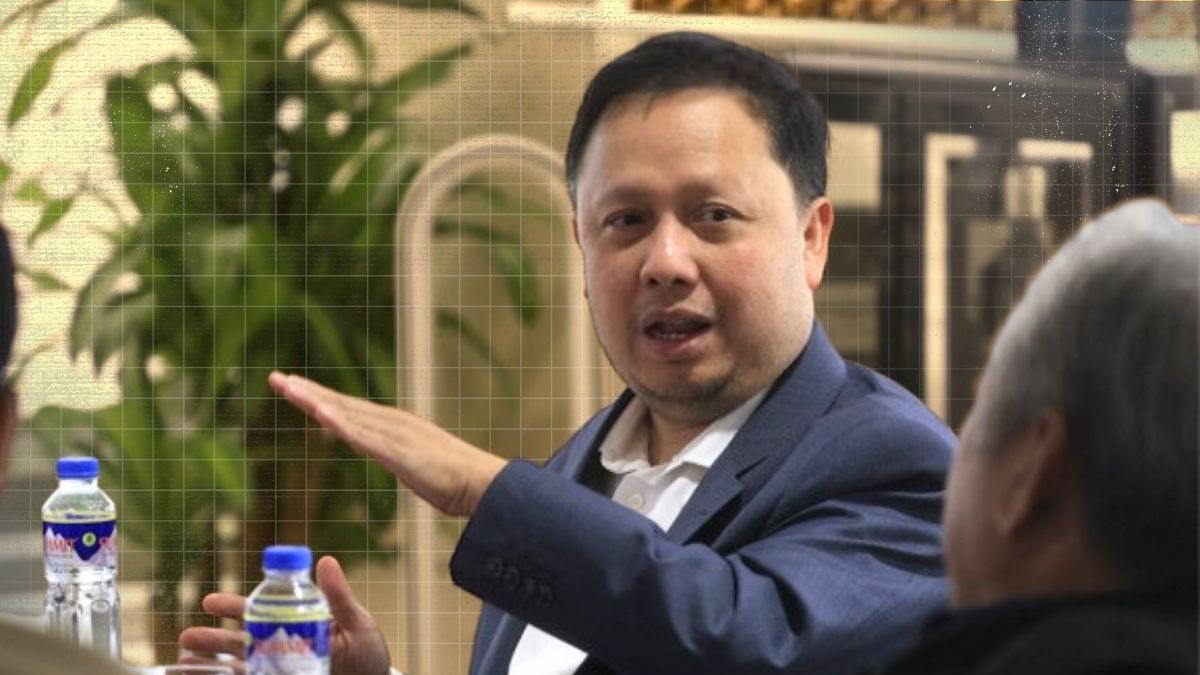
Zaldy Co’s Possible Return to PH to Be Handled by DFA, Says SILG Remulla
The issue surrounding businessman and political figure Zaldy Co continues to evolve after Interior Secretary Jonvic Remulla confirmed that any potential return of Co to the Philippines will be handled by the Department of Foreign Affairs (DFA).
In a statement reported by MSN Philippines, Remulla clarified that the matter falls under diplomatic and international coordination protocols, particularly if Co is currently outside Philippine jurisdiction. The statement signals that the government is approaching the issue through formal channels rather than through purely domestic law enforcement mechanisms.
The Context of the Issue
Zaldy Co has been linked to various allegations in recent weeks, including controversies connected to government-related financial matters. While investigations and public discussions continue, no final judicial determination has yet been made regarding the accusations tied to his name.
With Co reportedly abroad, questions emerged about how and when he might return to the Philippines and which agency would facilitate that process. According to Remulla, the Department of Foreign Affairs would take the lead role, particularly in matters involving coordination with foreign governments.
This clarification matters because cases involving individuals outside the country often require:
Diplomatic communications
Extradition procedures (if applicable)
International legal cooperation
Interpol or Red Notice processes, depending on circumstances
However, no official confirmation has been made regarding any finalized extradition request as of writing.
Why the DFA’s Role Is Important
When a Filipino citizen is abroad and faces legal concerns back home, the DFA typically becomes the primary coordinating body. The agency handles:
Consular assistance
Diplomatic engagement
Verification of international legal processes
Communication between Philippine authorities and host countries
Remulla’s statement suggests that any movement involving Co will follow institutional protocols rather than political pressure.
This is significant because politically sensitive cases often generate speculation about forced returns, secret negotiations, or extraordinary measures. By stating that the DFA will handle the matter, the government appears to emphasize procedural normalcy.
Legal and Diplomatic Considerations
If Co chooses to return voluntarily, the process may be straightforward, involving travel coordination and legal representation upon arrival.
If the return involves legal compulsion, however, several layers may apply:
Verification of charges filed in Philippine courts
Coordination with the host country’s legal system
Compliance with international law
Review of extradition treaties
Extradition is not automatic. It requires:
Formal request
Supporting documentation
Judicial review in the foreign jurisdiction
Without confirmed charges or arrest warrants made public, it remains unclear which legal pathway may apply.
Political Implications
The situation unfolds amid heightened political tensions, impeachment discussions, and broader debates about corruption and accountability.
Supporters of accountability argue that any individual linked to alleged financial irregularities must face legal processes transparently. Meanwhile, critics caution against trial by publicity and emphasize due process.
The government’s handling of Co’s potential return may influence public perception in several ways:
Whether institutions appear independent
Whether legal processes are followed properly
Whether transparency is maintained
In politically charged climates, even procedural statements can carry symbolic weight.
The Public Reaction
Public commentary across social media platforms reflects divided opinions. Some netizens demand swift legal action, while others question the timing and framing of allegations.
The case also touches on broader public concerns about:
Government transparency
Use of public funds
Accountability mechanisms
The role of investigative bodies
Whether Co returns voluntarily or through formal diplomatic channels, the manner of the process will likely be closely scrutinized.
What Happens Next?
Several possible scenarios could unfold:
Co voluntarily returns and faces proceedings
DFA confirms coordination with foreign authorities
Courts clarify the legal standing of the allegations
Further statements from Co’s legal team
Until official documentation is made public, much of the discussion remains speculative.
The Bigger Picture
Cases like this test institutional integrity. Regardless of political affiliation or public perception, due process remains central to democratic governance.
If charges exist, they must be addressed through lawful channels.
If allegations are unfounded, reputational protection also matters.
The involvement of the DFA suggests that the matter is being approached formally — not theatrically.
For now, observers await concrete developments.
The next move — whether legal, diplomatic, or voluntary — may determine the tone of this unfolding chapter.













More for You
FOLLOW US


Disclaimer: This site uses publicly available images and materials for news, satire, and commentary. All rights belong to their respective owners. No copyright infringement intended.
© 2025 Politikanta Minute. All Rights Reserved.
Political Commentary • Satire • Faith-Based Reflection
Some visuals may be AI-generated for satire and illustration. Not real footage unless stated.
FOLLOW US
Disclaimer: This site uses publicly available images and materials for news, satire, and commentary. All rights belong to their respective owners. No copyright infringement intended.
© 2025 Politikanta Minute. All Rights Reserved.
Political Commentary • Satire • Faith-Based Reflection
Some visuals may be AI-generated for satire and illustration. Not real footage unless stated.