Which Cleveland
Neighborhoods Are
Growing Fastest?
Explore the fastest-growing neighborhoods in Cleveland — and what rising demand means for your home value in 2026.
Is Your Neighborhood Growing?
Get a data-backed assessment of your area's trajectory and what it means for your home's value.
tracked in Cleveland
growth intelligence
evenly distributed
outcome in any market
What Defines a
"Fast-Growing" Neighborhood?
Growth isn't just about rising prices. The fastest-growing areas in Cleveland show a combination of demand signals that compound over time — and understanding them helps you position your property correctly.
Increasing Buyer Demand
More buyers competing for fewer properties pushes prices up and shortens time on market consistently.
Renovation Activity
Rising renovation and flip activity signals that investors see upside — a leading indicator of future appreciation.
New Businesses & Development
New restaurants, retail, and commercial investment improve livability perception and attract new residents.
Faster Sales Timelines
When homes start selling faster in an area, it signals growing buyer confidence and shrinking inventory.
Price Appreciation
Rising sold prices reflect real demand. Growing neighborhoods show consistent upward price movement over time.
Momentum + Perception
Growth feeds itself. Once a neighborhood is perceived as "up and coming," buyer interest accelerates further.
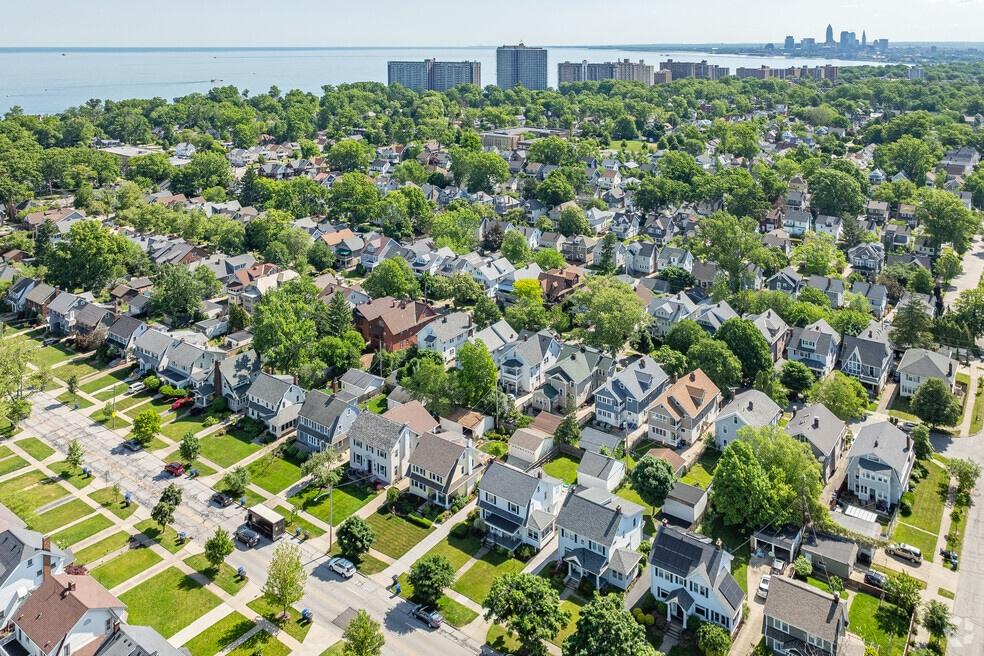
Fastest-Growing Cleveland
Neighborhoods (2026)
These are the Cleveland neighborhoods showing the strongest combination of buyer demand, price appreciation, and development momentum heading into 2026.
Tremont
Tremont continues to be one of Cleveland's most desirable areas, driven by walkability, proximity to downtown, a thriving restaurant and lifestyle scene, and consistent renovation and new development activity. Updated homes here command strong premiums and move quickly.
Ohio City
Ohio City has seen consistent growth fueled by retail, nightlife, and local business expansion. It strongly appeals to younger buyers and professionals, with active investor interest in both flips and rentals. Pricing ranges widely depending on condition — renovated properties dominate outcomes.
Lakewood
Lakewood remains one of Cleveland's most competitive markets — consistently high buyer demand, strong community appeal, and limited inventory keep it near the top. Homes sell quickly when priced right, but competition between listings is intense. Strategy matters more here than almost anywhere else.
Old Brooklyn
Old Brooklyn is emerging as a value growth market with an affordable entry point, increasing investor activity, and gradual redevelopment underway. Growth is slower than premium areas, but steady — and well-positioned properties show real upside as the area continues its trajectory.
West Park / Kamm's Corner
West Park is gaining traction driven by affordability, strong highway and airport accessibility, and increasing interest from first-time buyers. Demand is rising, appreciation is moderate but accelerating, and homes are selling faster than in previous years — a positive signal of momentum building.
What About Parma,
Brook Park & Brooklyn?
These areas are not "high-growth" in the traditional sense — but they have their own strengths. They don't spike, but they hold steady. Pricing accuracy and condition are the primary drivers of outcomes here.
Parma
Stable · High VolumeA high-volume market with strong demand from families. Price-sensitive but consistent — well-priced homes in good condition move steadily year-round.
- Strong family buyer demand
- Price sensitivity is real — accuracy matters
- Consistent sales activity throughout the year
- Condition determines outcome more than timing
Brook Park
Stable · Working-Class MarketA practical, working-class market with consistent demand from affordability-driven buyers. Slower appreciation but steady sales — value alignment is the key.
- Affordability-focused buyer pool
- Steady demand, slower appreciation
- Highway and airport proximity is a draw
- Pricing-to-condition ratio drives everything
Brooklyn, OH
Stable · Comp-DrivenA smaller, tightly comp-driven market that rewards well-maintained, fairly priced properties. Stable values, not rapid growth — but reliable for the right seller.
- Highly comparable-sale dependent pricing
- Family-oriented, community-driven buyers
- Stable but not rapidly appreciating
- Condition and fair pricing are non-negotiable
"These areas don't spike — they hold steady. The sellers who succeed here focus on pricing accuracy and property condition rather than waiting for market momentum."
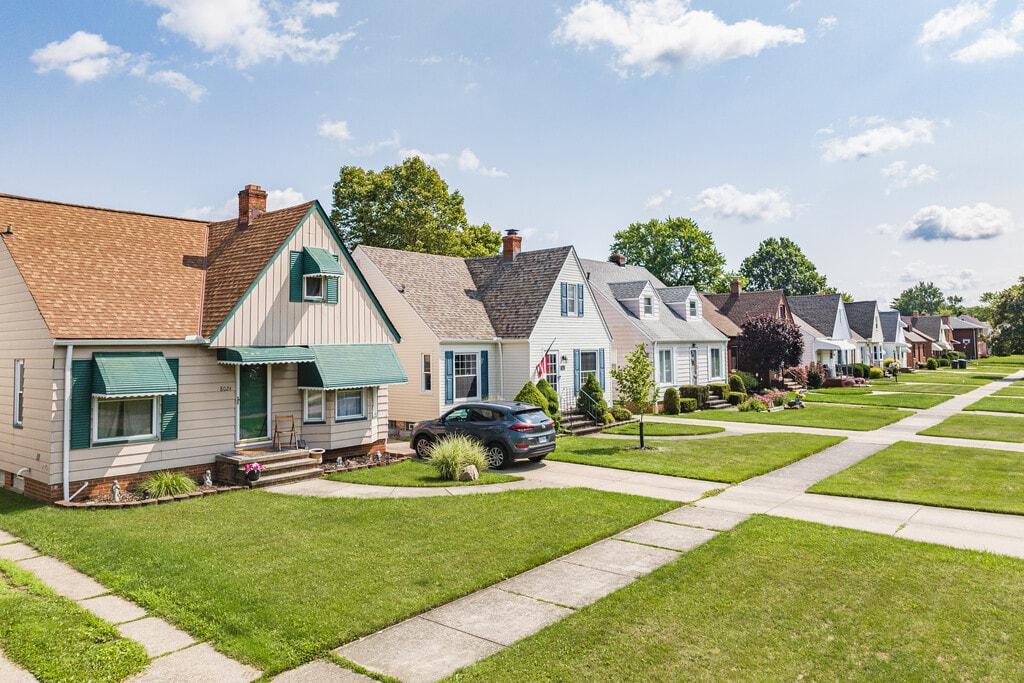
How Growth Affects
Your Home Value
Being in a "growing" neighborhood doesn't automatically mean you get top dollar. Growth lifts the ceiling — but your property still needs to meet buyer expectations to reach it.
Condition Still Determines Outcome
Even in high-growth areas like Tremont and Ohio City, updated homes win decisively and outdated homes lag behind — often significantly. Growth raises the bar, not the floor.
Buyer Expectations Rise With the Neighborhood
As neighborhoods improve and attract more attention, buyers arriving from competitive searches expect more — better finishes, better condition, better presentation.
More Sellers Enter the Market
Growth attracts more listings. More sellers enter the market as they see prices rise — which increases competition and makes pricing and positioning even more critical.
Should You Sell Now
or Wait for More Growth?
This is where most homeowners hesitate — and sometimes wait too long. Growth is not guaranteed, and the risk of waiting must be weighed honestly against the potential upside.
⚡ Selling Now
- Capture current demand before conditions shift
- Avoid risk of interest rate increases
- Reduce carrying costs — mortgage, taxes, maintenance
- More control over timeline and outcome
- Certainty in an uncertain market
⏳ Waiting
- Potential for continued appreciation
- Time to make improvements that add value
- Risk of interest rate increases
- Risk of market slowdowns
- Increased inventory as more sellers enter
- Carrying costs accumulate every month
"Growth is cyclical, not linear. The sellers who maximize outcomes are the ones who act with a clear strategy — not the ones who wait and hope."
The Question Isn't
"Is My Area Growing?"
The real question is: "Is my property positioned to benefit from that growth?"
Because growth lifts well-positioned properties faster — and leaves weak properties behind, regardless of what the neighborhood is doing.
See How Your Specific
Neighborhood Is Performing
Explore local pricing trends, demand data, and selling strategies specific to your area. Click your neighborhood for hyper-local insights.
Tremont
Premium pricing, fast sales, lifestyle-driven buyers. The top growth market in Cleveland for updated homes.
🔥 Strong Growth · Investor ActivityOhio City
Consistent appreciation, wide buyer pool, and strong investor presence. Condition drives pricing outcomes.
⚡ Competitive · Strategy MattersLakewood
High buyer demand, limited inventory, heavy competition between listings. Strategy determines outcome.
📊 Stable · Price-SensitiveParma
High-volume, family-focused market. Pricing accuracy and condition are the primary success factors.
📊 Steady · Affordability-DrivenBrook Park
Consistent demand from value-focused buyers. Well-priced homes in good condition sell throughout the year.
📊 Stable · Family MarketBrooklyn, OH
Comp-driven, community-oriented market. Fair pricing and good condition are non-negotiable for sellers.
Frequently Asked
Questions
Get a Clear Picture of Your
Home's Position in Today's Market
Understand your home's current value, your neighborhood's trajectory, and your best selling strategy — with a no-obligation evaluation based on real 2026 Cleveland market data.
Request Your Free Market Evaluation
No obligation. Find out your home's value, your neighborhood's trajectory, and your best strategy.